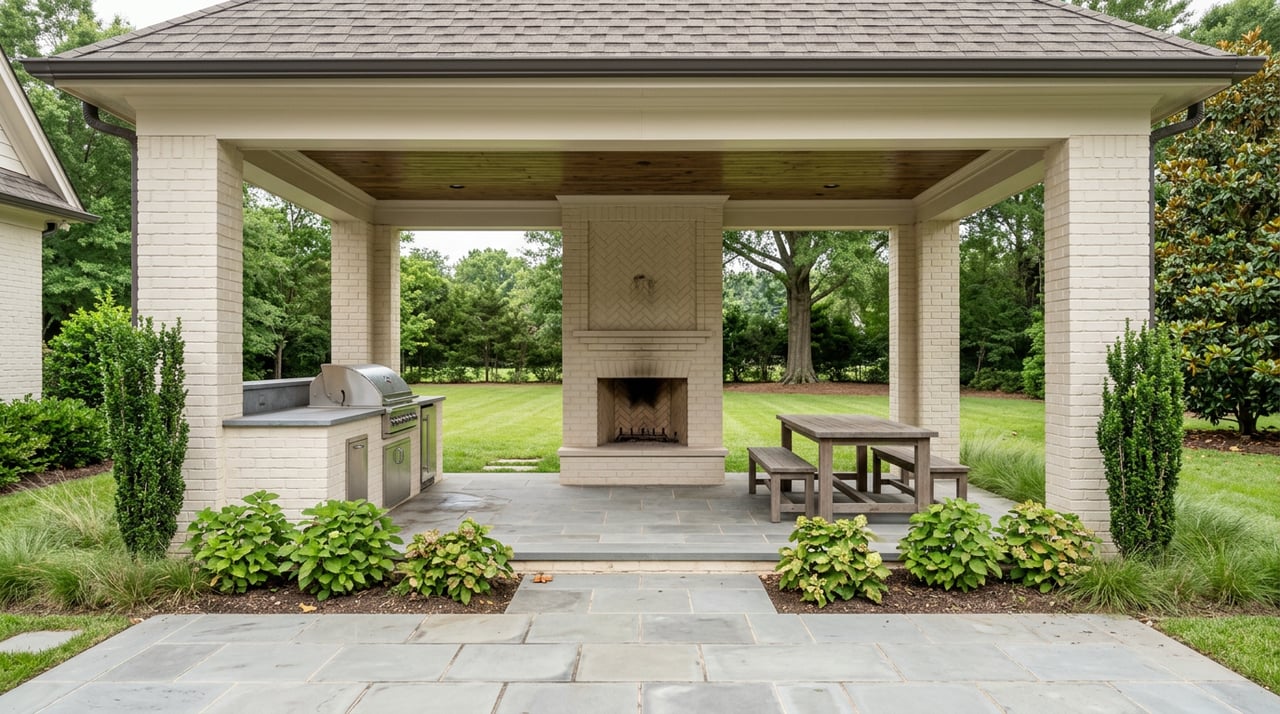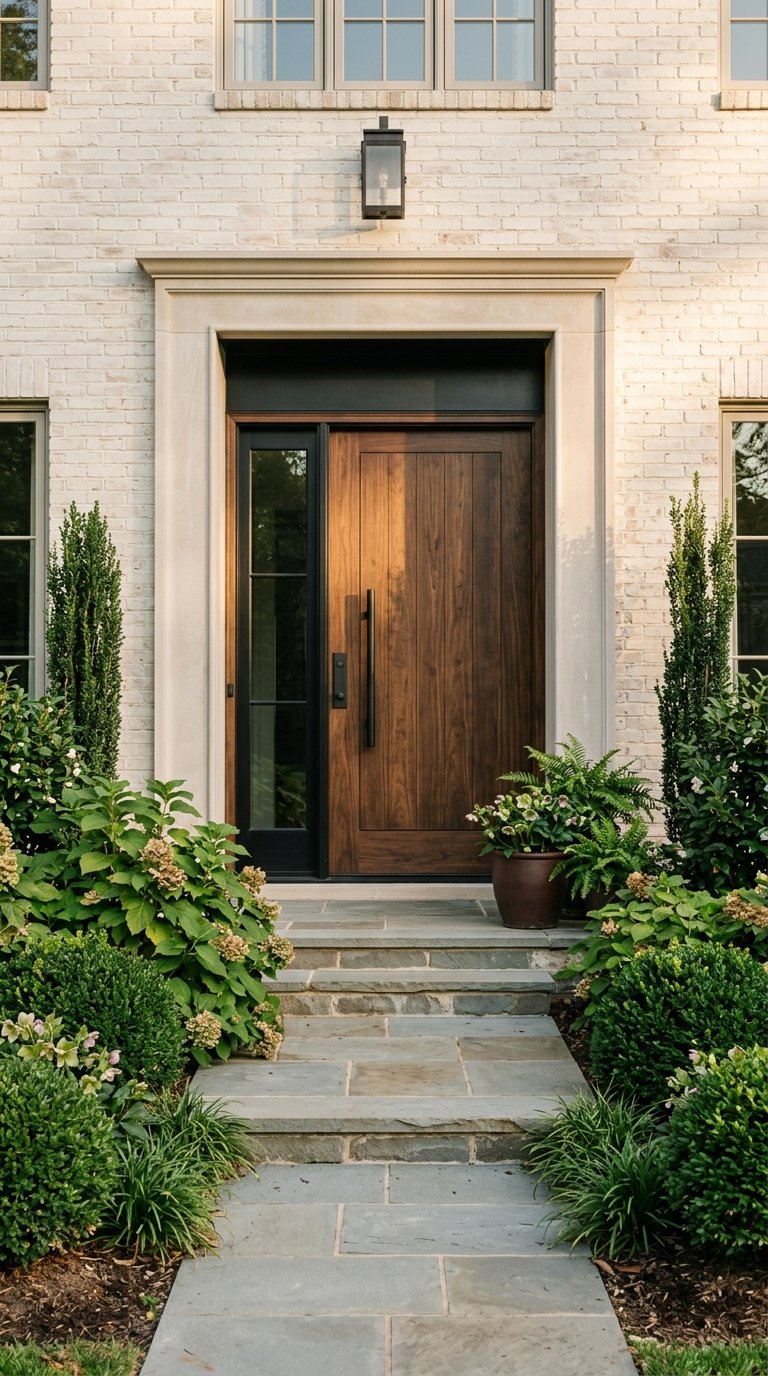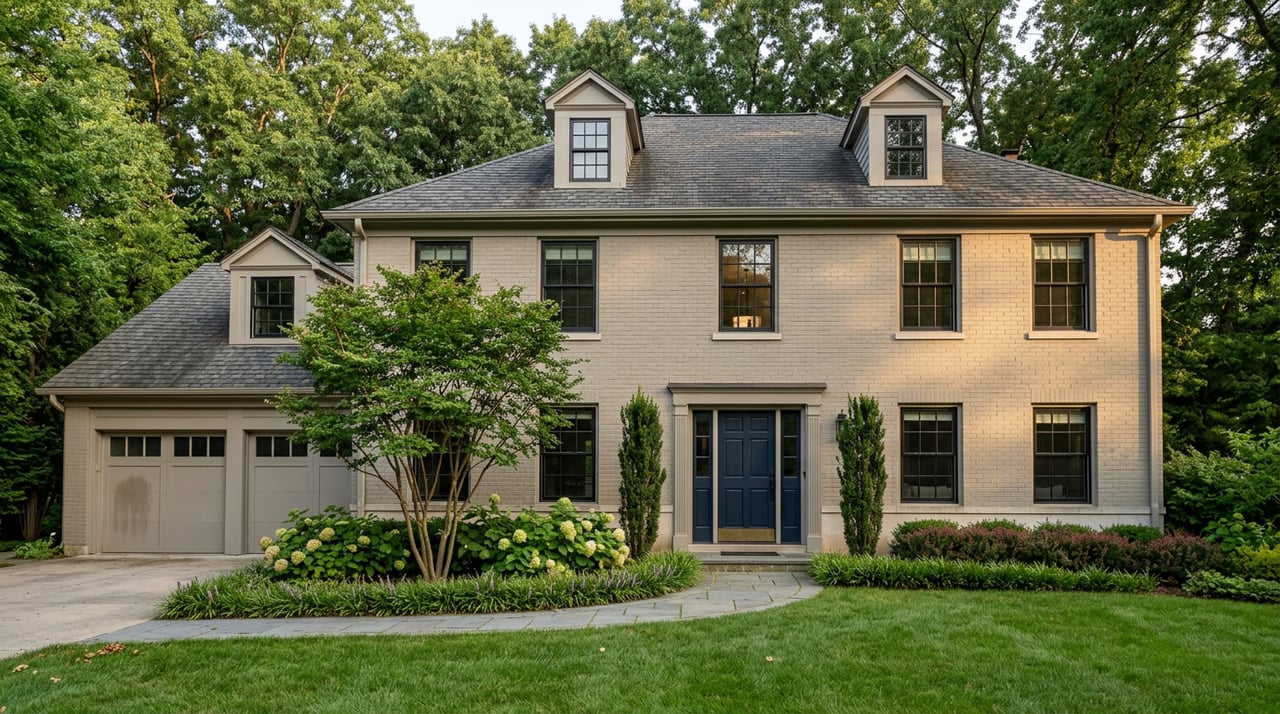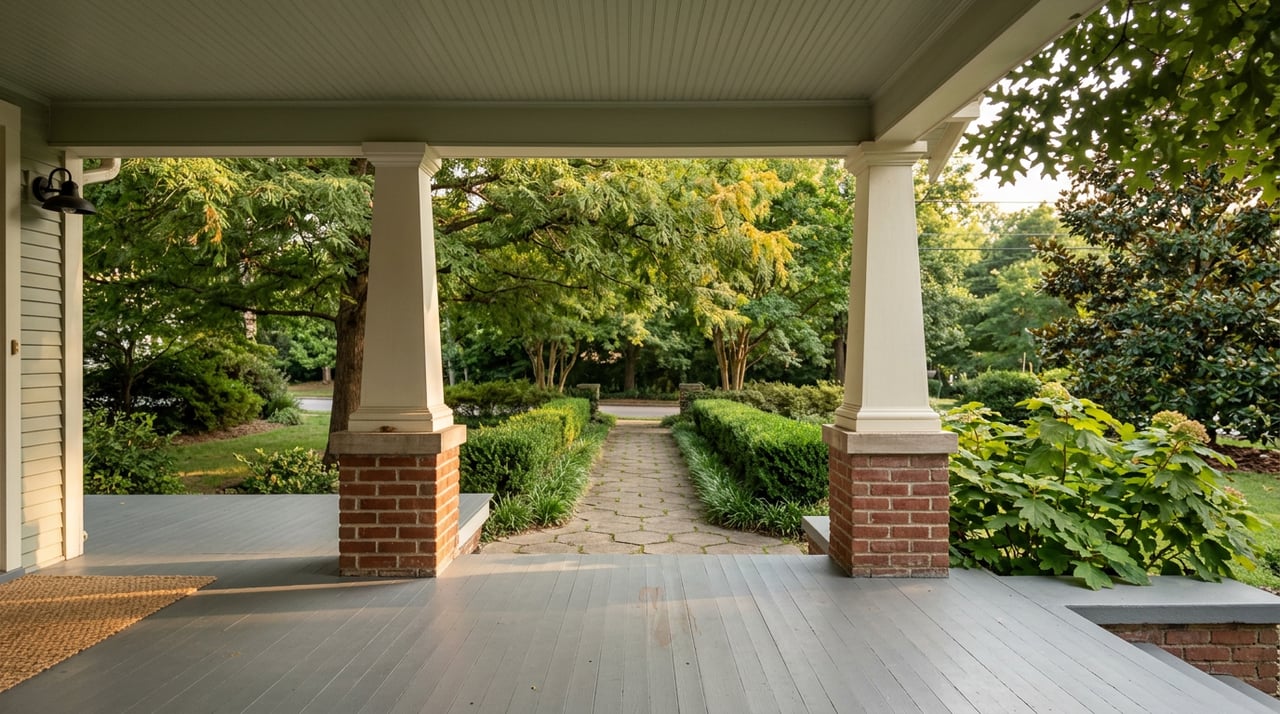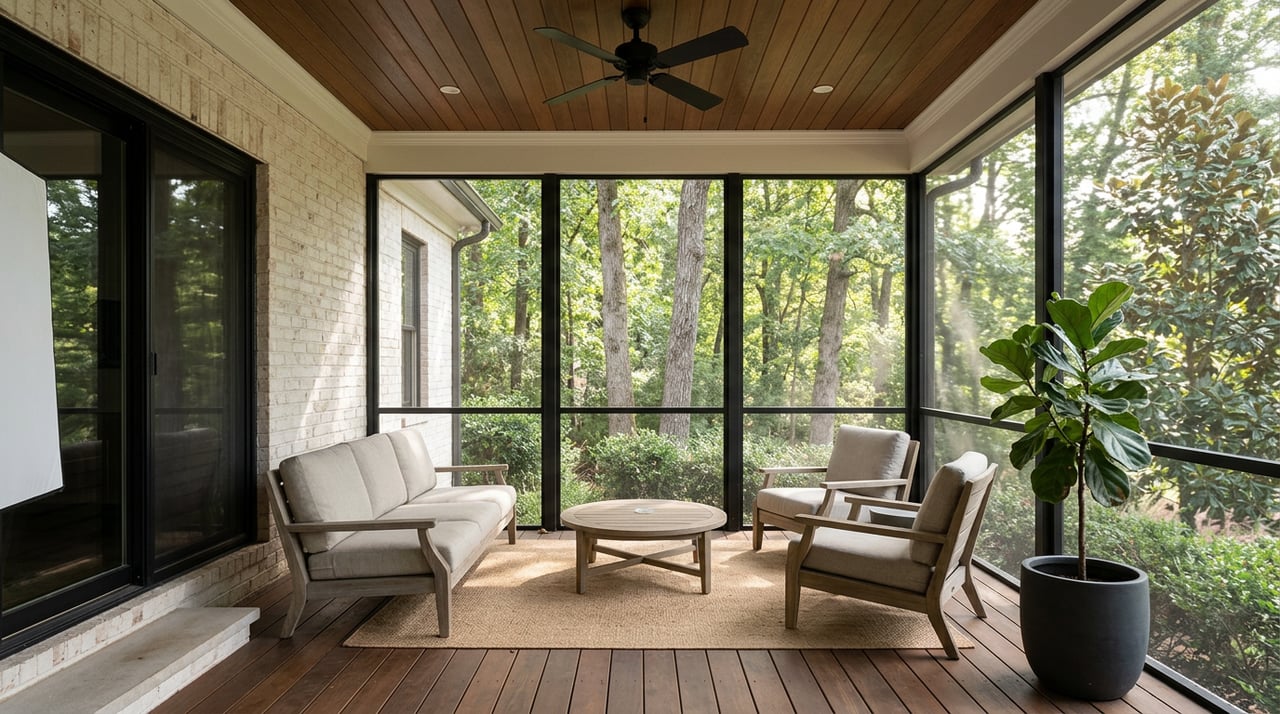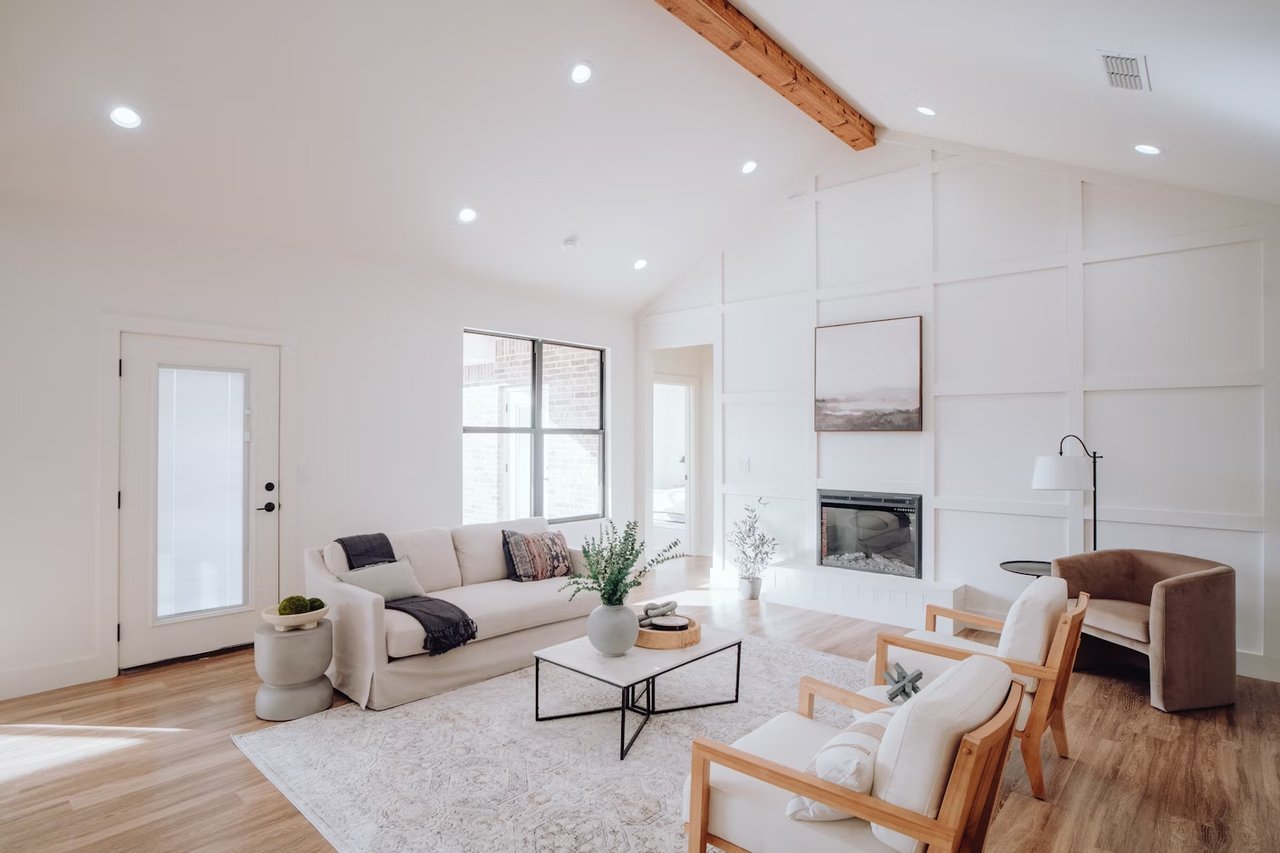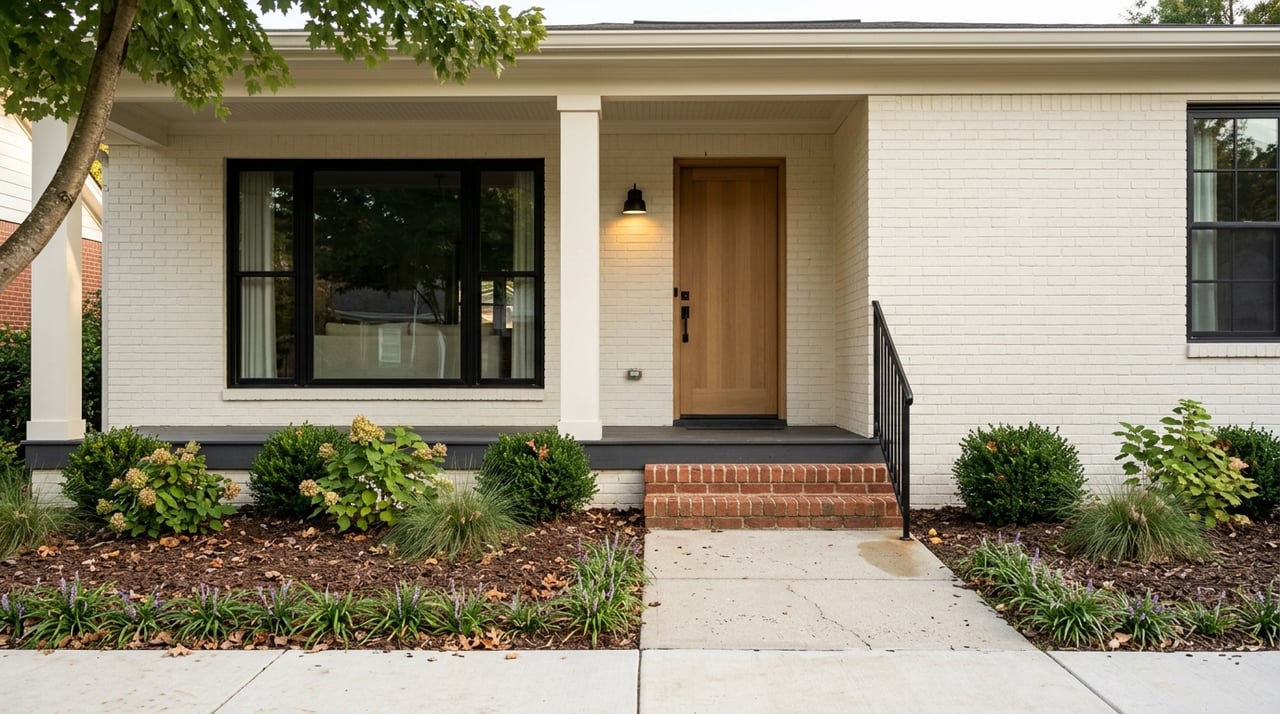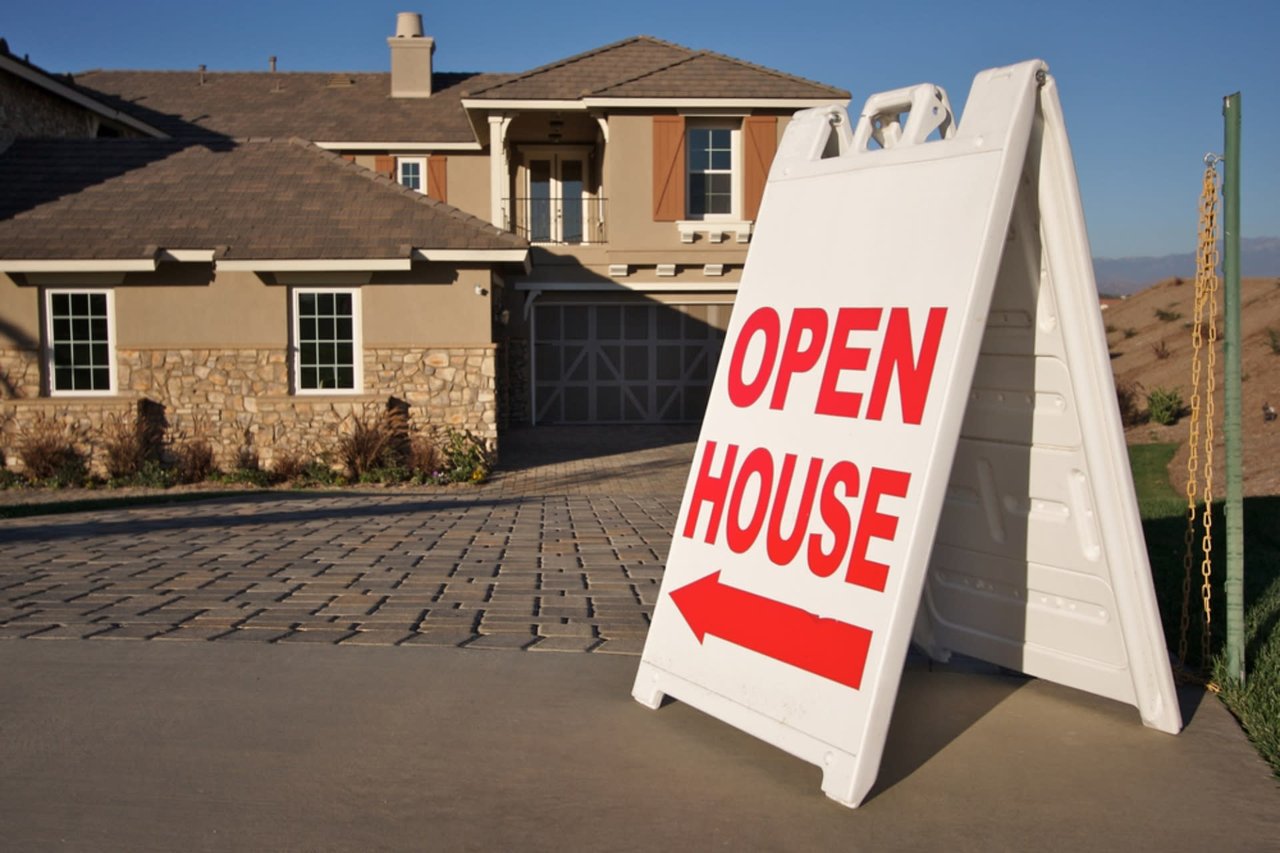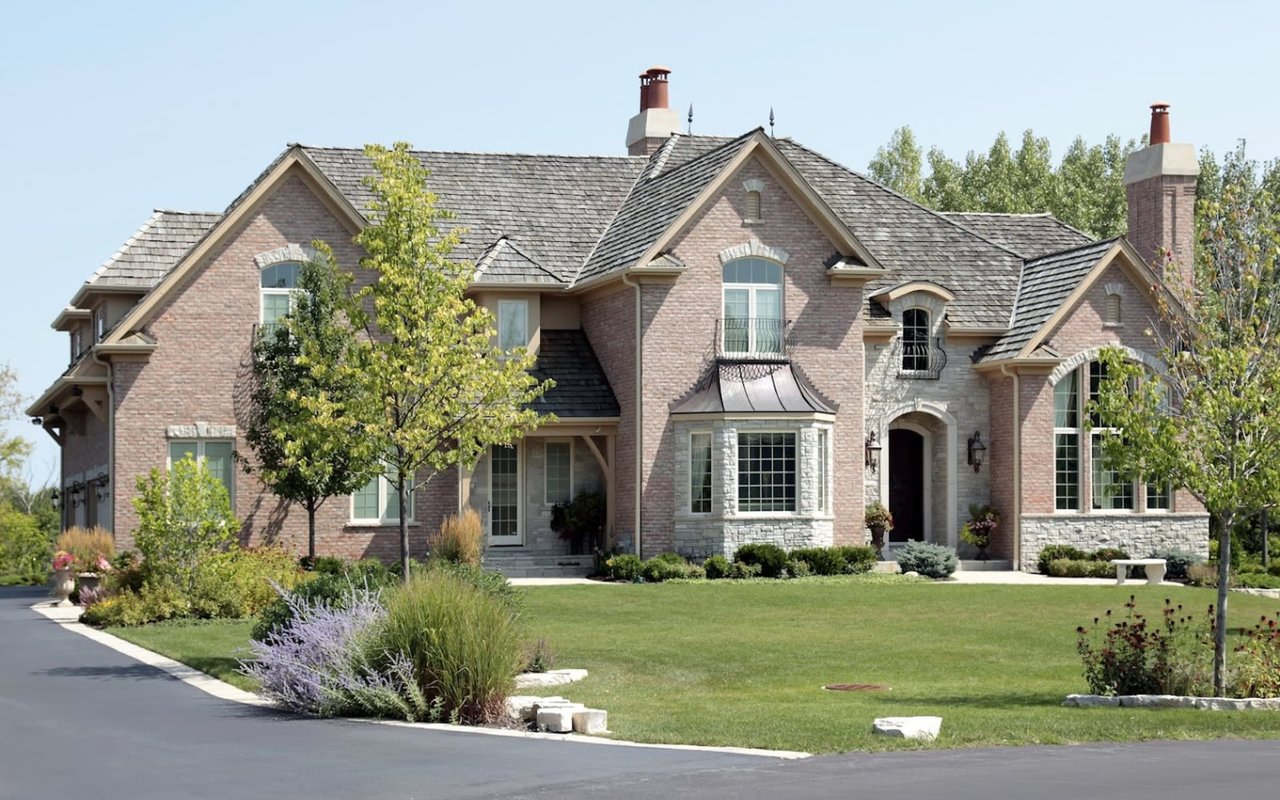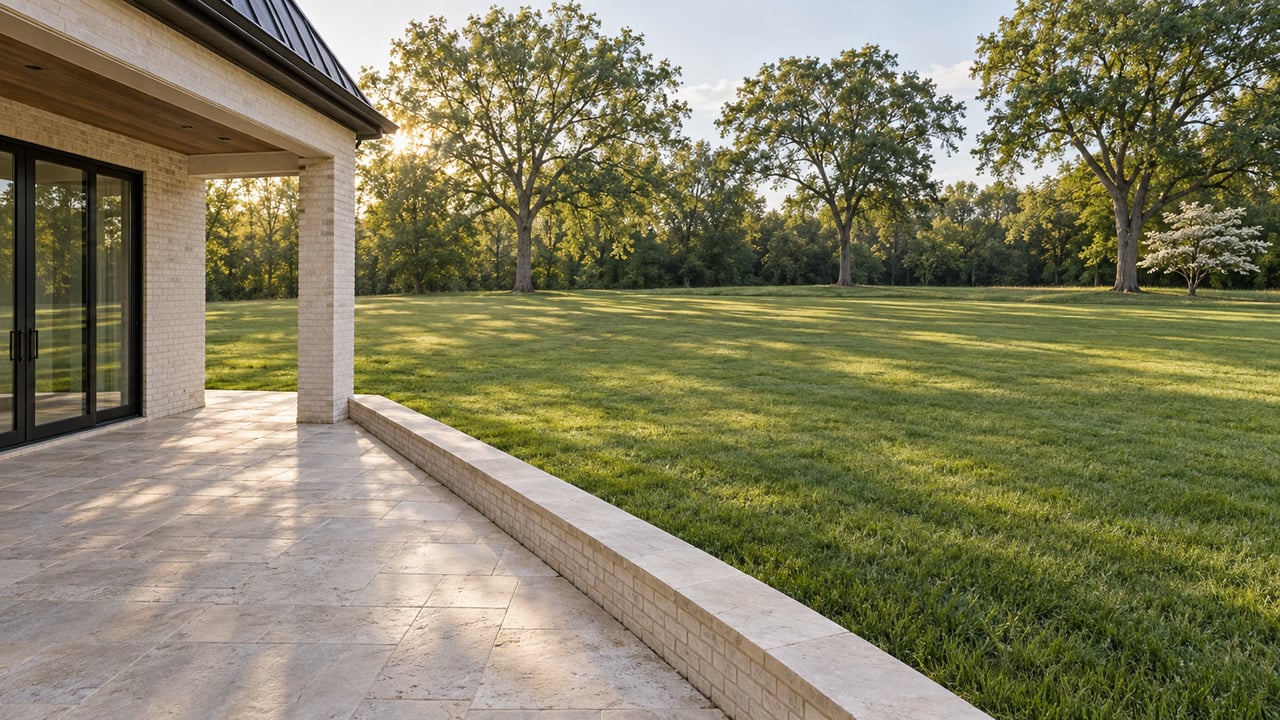
Pull up two new construction listings priced within $50,000 of each other, one inside Marvin and one a short drive south across the state line in Fort Mill or Indian Land, and the square footage numbers will look close enough to compare on a spreadsheet. The lot sizes will not. A buyer spending roughly $1.2 million on a new build in Marvin is currently looking at somewhere between three quarters of an acre and an acre and a half. The same $1.2 million just over the border buys a quarter acre to a third of an acre, based on active listings tracked through June 2026.
That gap is not a builder being generous in one market and stingy in the other. It is zoning, and it is the single detail that explains why Marvin's new construction market behaves so differently from the towns pressed right up against it.
One Acre, By Zoning, Not By Chance
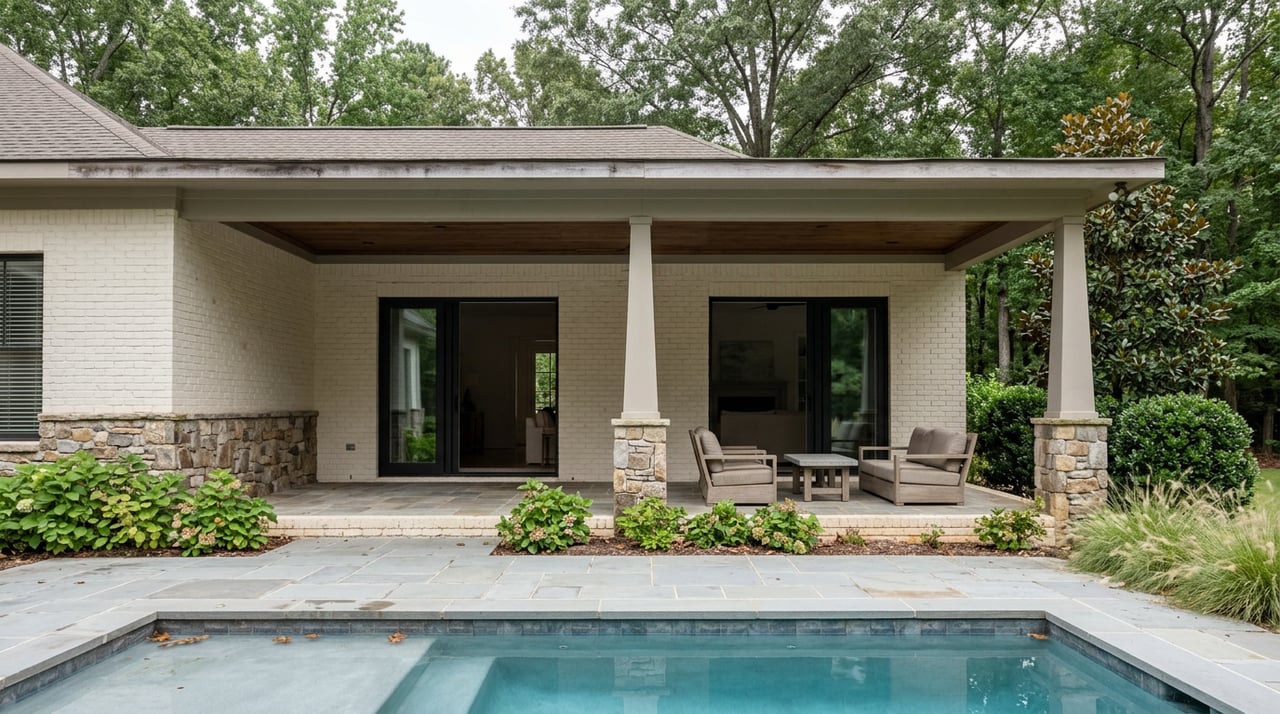
Marvin sets a one-acre minimum lot size for new homesites. That single rule is why a village of roughly 7,000 residents has managed to avoid the tight infill lots that have crept into so many fast-growing Charlotte-area suburbs. A builder in Marvin cannot subdivide down to a fifth of an acre to hit a lower price point, because the village floor will not allow it. Builders working there price around that constraint instead of against it, which is part of why construction costs in Marvin commonly run $350 to $650 or more per square foot, reflecting larger sitework and septic and well requirements that come with acreage-scale lots rather than municipal water and sewer hookups on a standard suburban pad.
This is worth sitting with because it is easy to mistake for a marketing line. It is not. It is a land use rule that caps how many homes can physically exist on a given parcel, which means the acreage a buyer gets today is close to the acreage a buyer will get in five or ten years, regardless of how much building continues around it.
Four Communities Building Against The Same Ceiling
As of June 2026, four new construction communities carry a Marvin address, and each one shows what that one-acre ceiling does to price and layout in a different way.
- Heritage at Marvin, built by Jones Homes USA, starts around $1.2 million and delivers roughly 0.75 to 1.5 acre lots.
- Broadmoor at Marvin, built by Beechwood Carolinas, starts at $1,875,000. As of mid-2026 it had two completed spec homes on the ground alongside three active floor plan options, with 10-foot ceilings and full-overlay cabinetry built into the standard specification rather than sold as an upgrade.
- Sage at Marvin, developed by Peters Custom Homes, starts above $2 million on a 43-acre gated site built out to 23 estate homesites.
- Marvin Commons, also from Jones Homes USA, is coming soon along the Tom Short Road and Rea Road corridor, close enough to Blakeney and Ballantyne Corporate Park to function as a commercial gateway for the whole area.
Total inventory across these four communities typically sits between 15 and 25 homes at any given time across various stages of construction. That is a small number for a market this size, and it is small on purpose. The one-acre floor caps how many lots a 43-acre or 100-acre parcel can ever produce, so scarcity here is structural rather than a temporary supply crunch that resolves once builders catch up.
Our team has listed active inventory inside Sage at Marvin directly, which means we have watched the build timeline play out in real time rather than reading about it secondhand. Construction on an individual home typically runs 12 to 14 months, but once you add the design phase and the lead time that comes with a fully custom, gated build, buyers should plan closer to 18 to 24 months from signed contract to closing.
What The Same Check Buys Two Exits South
The comparison that actually matters for a relocating buyer is not Marvin against Charlotte. It is Marvin against the South Carolina towns competing for the same buyer at the same price point. A $1.2 million new construction budget in Fort Mill or Indian Land lands on a 0.25 to 0.35 acre lot as of mid-2026. That is not a builder choice either. Those towns do not carry the same one-acre minimum, so a builder there can fit three or four times as many homes on the same acreage and price each one to compete on square footage and finish level instead of land.
Buyers who run a straight price-per-square-foot comparison between the two markets often conclude that Marvin is the more expensive option. That comparison is missing the variable that will matter most once the mortgage is signed. The land in Marvin is not going to shrink. The zoning that protects the acre a buyer pays for today is the same zoning that prevents a denser subdivision from opening up next door in five years and changing the character of the street.
The Tax Bill Moves With The County Line, Not Just The Zip Code
There is a second number that changes the moment a buyer crosses from Mecklenburg into Union County, and it is one that gets flattened into a single line in most relocation guides. Union County's property tax rate resets after every countywide reappraisal, most recently effective January 1, 2025, and the number that actually lands on a buyer's tax bill is the combined county rate plus whatever the town adds on top. In Marvin, Waxhaw and Weddington, that municipal add-on stays modest, which is why Union County's reputation for lower property taxes holds up specifically in these towns when compared against Mecklenburg. A few miles away in Monroe, the combined county-plus-municipal rate can actually land higher than the equivalent bill inside the City of Charlotte. The county line alone does not tell a buyer what they will pay. The specific town does.
Where The One-Acre Rule Actually Bends
The one-acre floor is not absolute everywhere inside Marvin, and it is worth being straightforward about where it flexes. Sage at Marvin's own homesite range starts at 0.6 acres on the smallest lots and stretches to multiple acres on the largest, averaging closer to two acres across the full 43-acre, 23-homesite layout. A gated, architecturally reviewed community can arrange smaller individual homesites within a larger preserved footprint and still deliver an average lot size well above what the same price point buys across the state line, even on its tightest lot.
That distinction matters for a buyer comparing listings sheet by sheet. The smallest lot inside a community like Sage is still meaningfully larger than the largest lot available for the same money in Fort Mill or Indian Land. The rule protects the neighborhood's overall land profile even where an individual homesite comes in under the village-wide minimum.
What This Means If You're Comparing Marvin To The Border
A buyer weighing Marvin against a South Carolina border town at the same price is really weighing two different products that happen to share a price tag. One is a house with land attached. The other is land with a house attached, and the acreage is the part of that equation that a zoning ordinance keeps from eroding over time. Marvin's four active new-construction communities are small by design, which means a buyer who wants this specific tradeoff should expect a longer search and a longer build, not a wider selection to shop against.
Does the one-acre minimum apply to every home in Marvin, or just new construction? The rule governs new homesites, which is why it shows up most clearly in the four active new-construction communities. Older Marvin neighborhoods vary more than that single rule suggests. Providence Road Estates, platted decades ago, still carries some of the largest lots in the village, with homesites commonly running 2.5 to 5.27 acres. Amenity-driven communities like Firethorne were built to a different standard, with homes there typically sitting on half-acre to one-acre lots built around the golf course rather than open acreage. The zoning floor shapes what gets built going forward. It does not rewrite what was already platted before it.
Is a bigger lot automatically worth more when it comes time to sell? Lot size is one input into resale value, not the only one. Condition, finish level and the broader Charlotte market cycle all factor in. What the one-acre rule does is protect the lot size itself from shrinking due to future infill, which is a different kind of value than a price premium at any single point in time.
If you are comparing a new build in Marvin against something similarly priced across the state line, we would rather walk the actual lots with you than have you compare them on paper. Your Property People has stood inside these communities as both buyer's agent and listing broker, and can tell you which acre you are actually paying for before you sign anything.