By Your Property People, Inc.
There is something uniquely personal about the way a home either fits you or does not. You walk through a front door and within minutes, maybe even seconds, you know. The ceiling height, the way natural light spills across the kitchen floor, and the flow from one room to the next — it either clicks or it does not. That instinct is worth trusting, but it is also worth sharpening. Understanding what you are actually reacting to, and why, gives you a real advantage when navigating the Charlotte, NC, real estate market.
Finding the right home is rarely about square footage alone. It is about how a floor plan supports the way you actually live, how the architectural style speaks to your aesthetic, and whether the features throughout the home match your priorities now and in the years ahead.
This guide is designed to help you get clear on what matters most before you start touring properties. The more intentional you are about your priorities, the easier it becomes to recognize the right home when you are standing inside it.
Key Takeaways
- Architectural style sets the tone for how a home feels, and understanding the options in Charlotte helps you articulate what you are drawn to.
- Floor plan functionality often matters more than total square footage when it comes to how you experience daily life at home.
- Interior features and finishes should align with both your lifestyle and your long-term goals for the property.
- Lot characteristics, outdoor spaces, and orientation are easy to overlook but shape how much you enjoy a home over time.
- Knowing your non-negotiables before you begin touring keeps you focused and prevents decision fatigue in a competitive market.
Architectural Style: More Than Just Curb Appeal
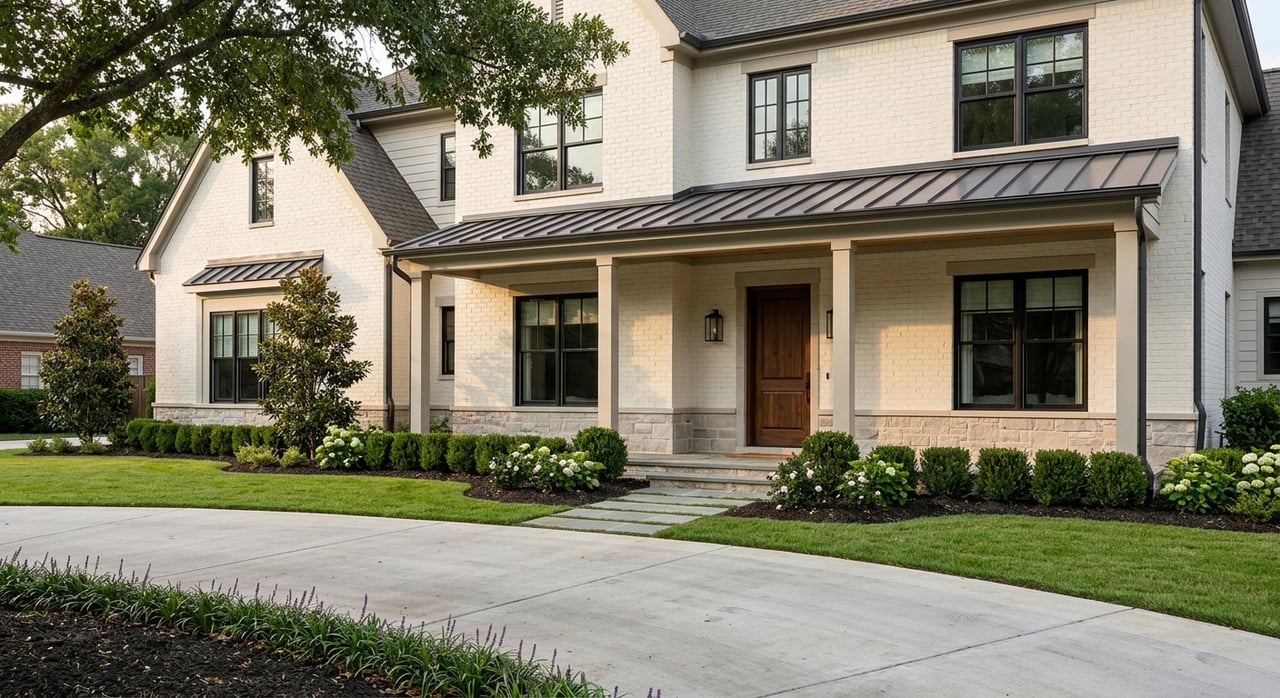
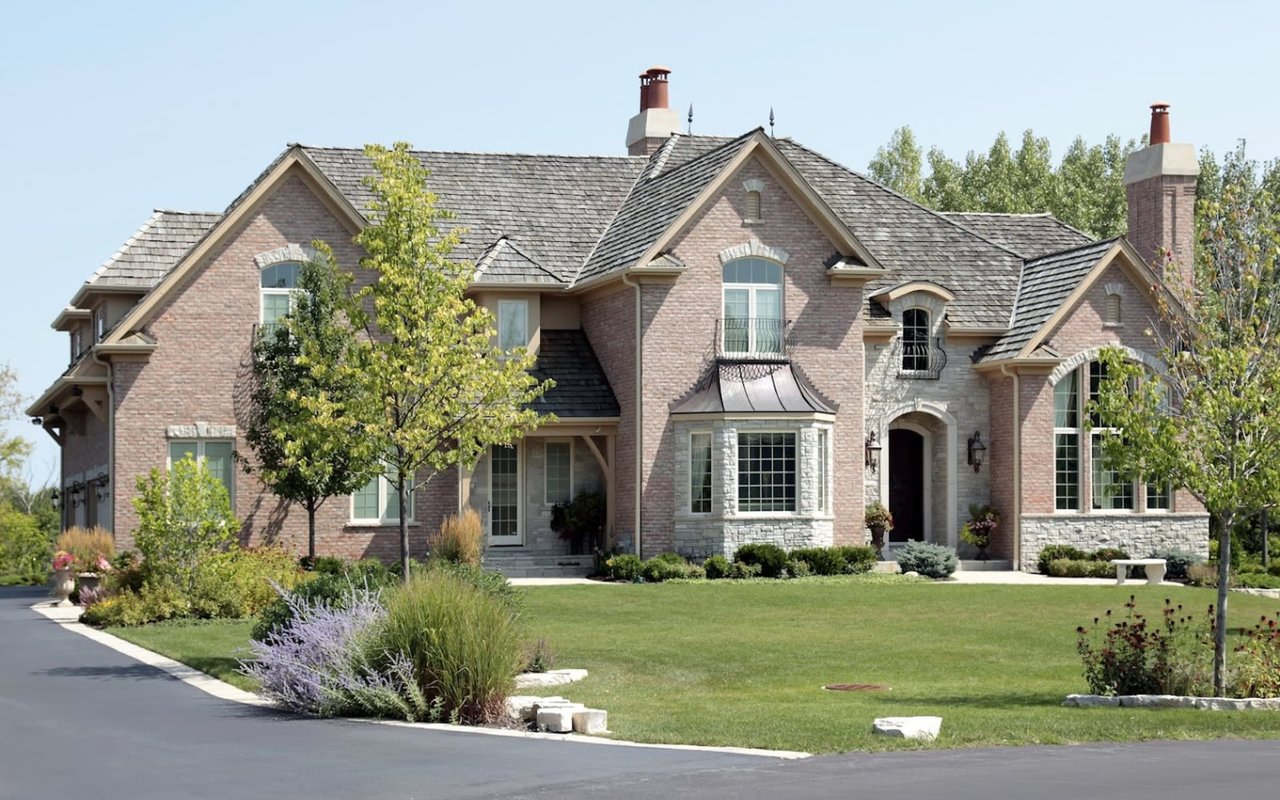
The exterior of a home is often where buyers form their first impressions, but architectural style is more than aesthetics. It shapes the bones of the home, including ceiling heights, window placement, room proportions, and the overall atmosphere you live with every single day. In Charlotte, buyers have access to a wide spectrum of styles, so it helps to spend a little time identifying what truly resonates with you.
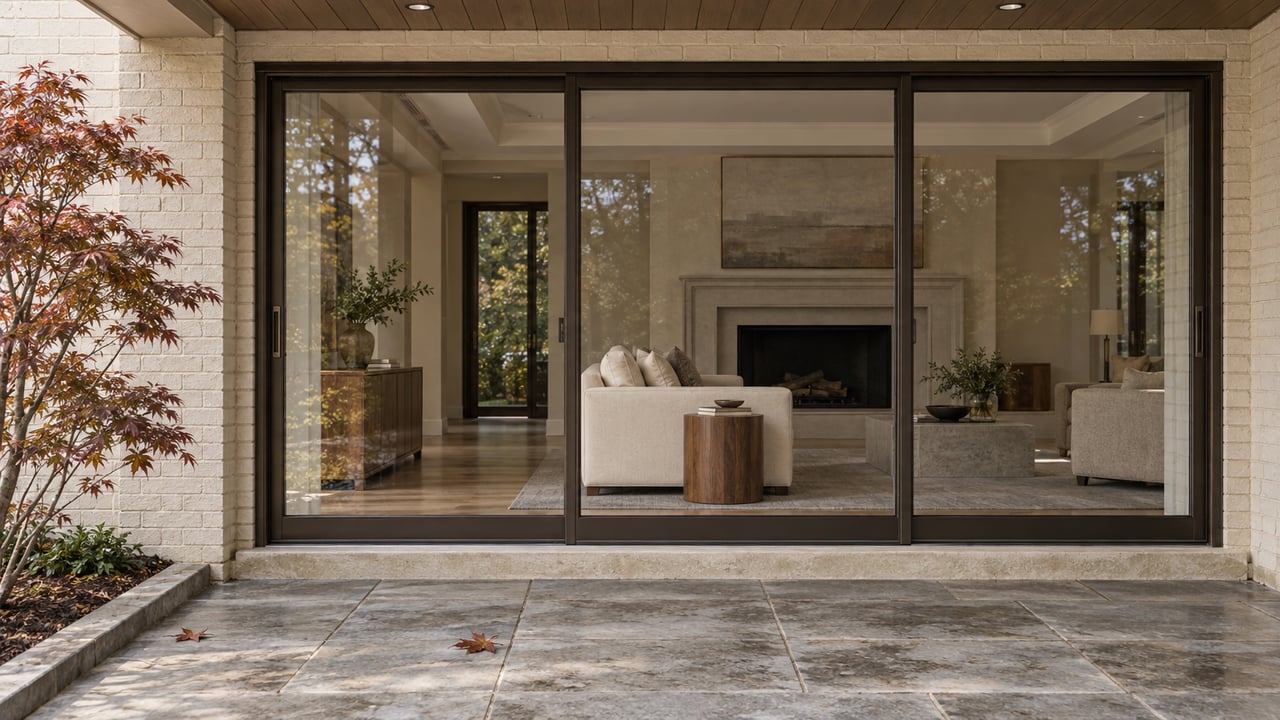
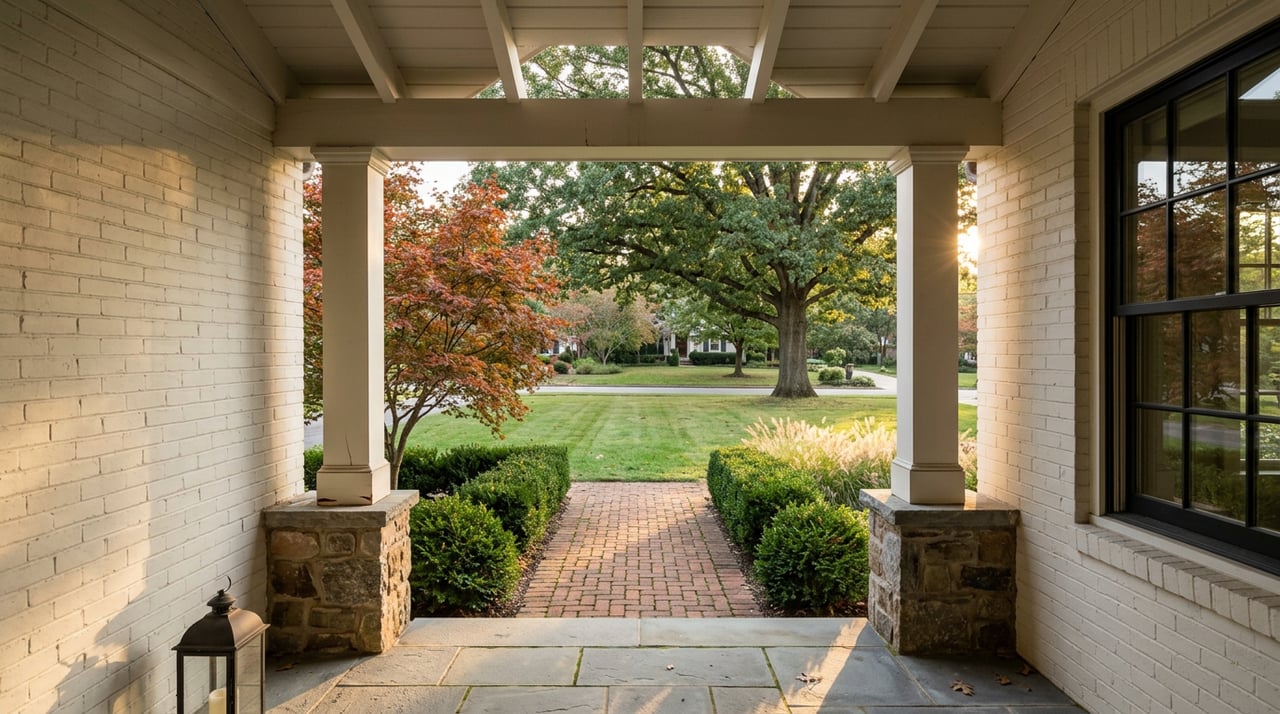
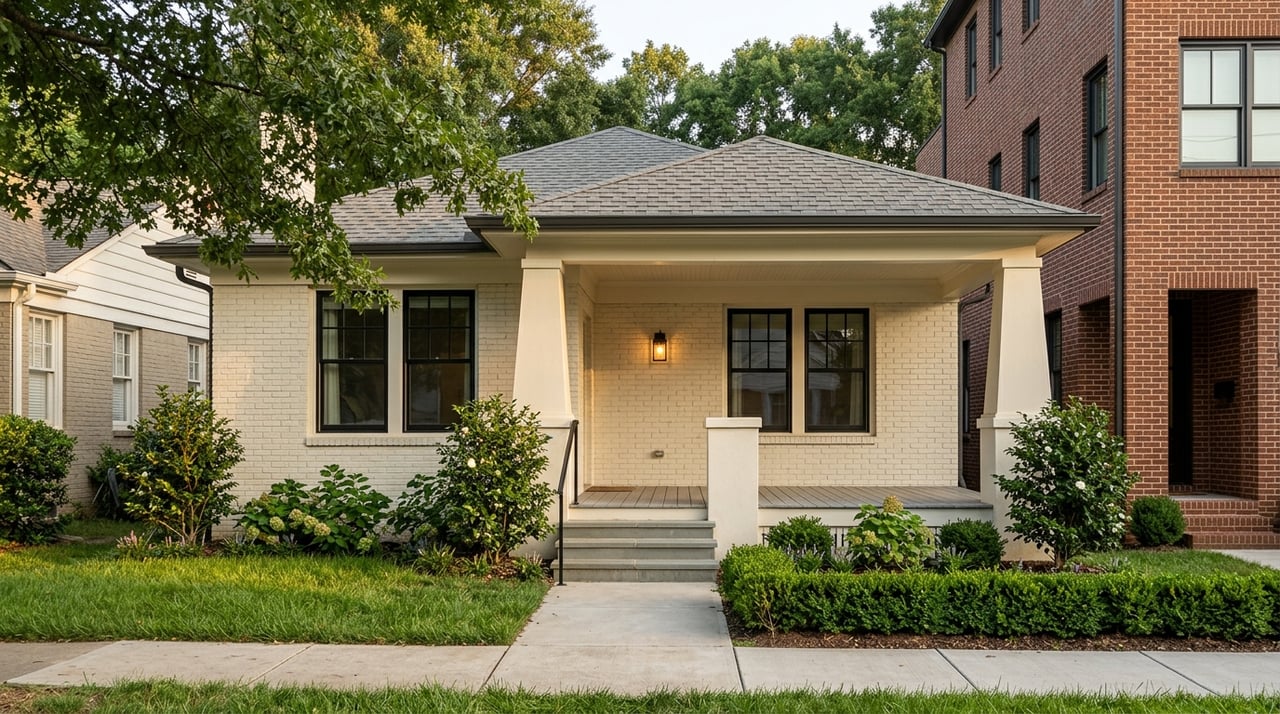
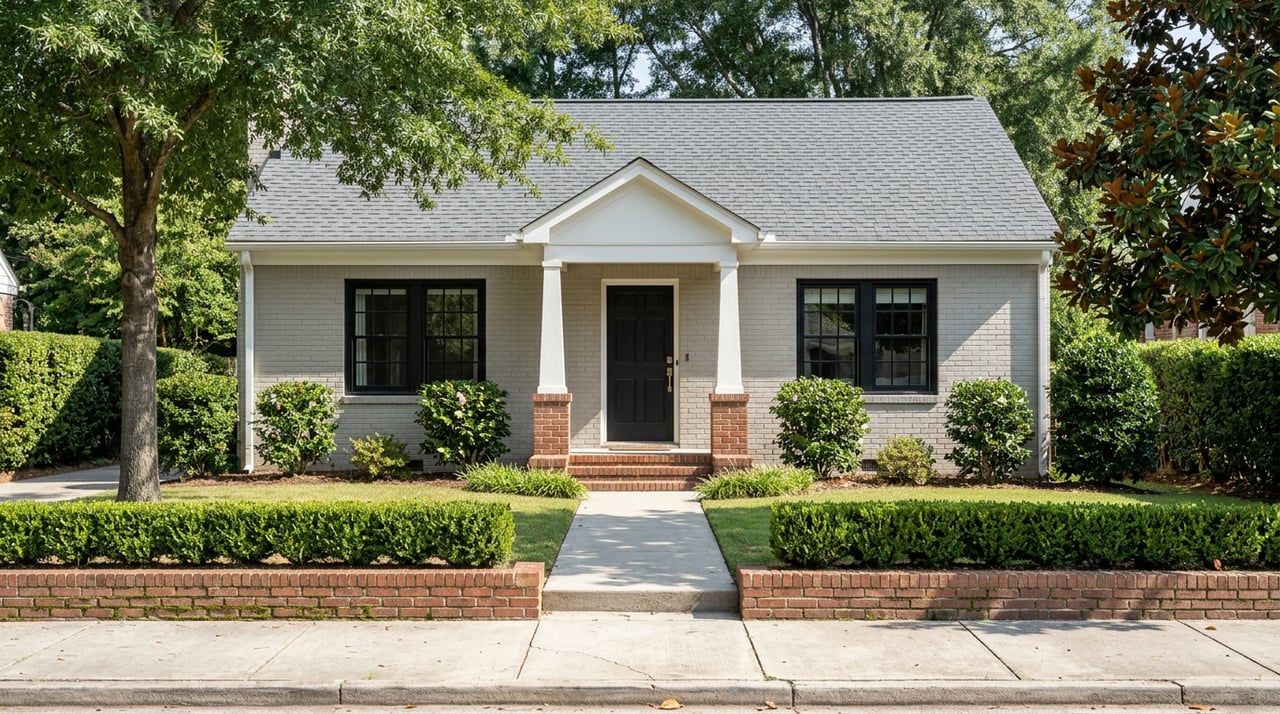
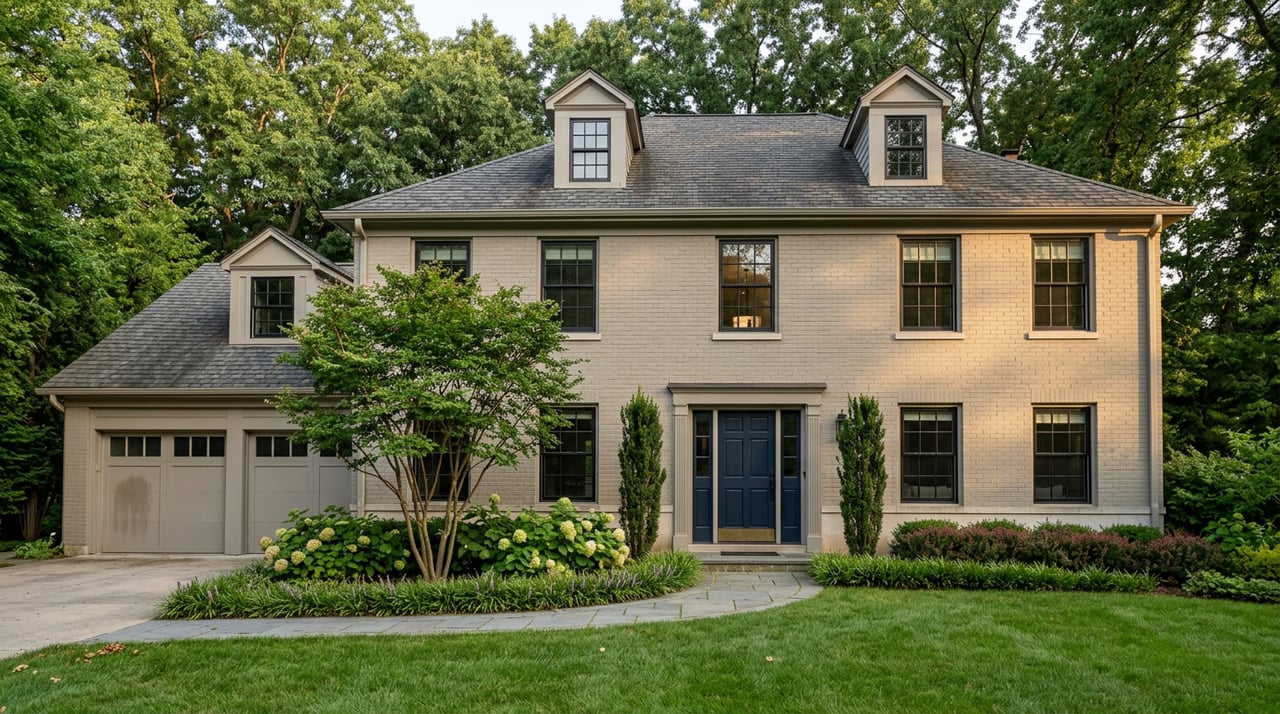
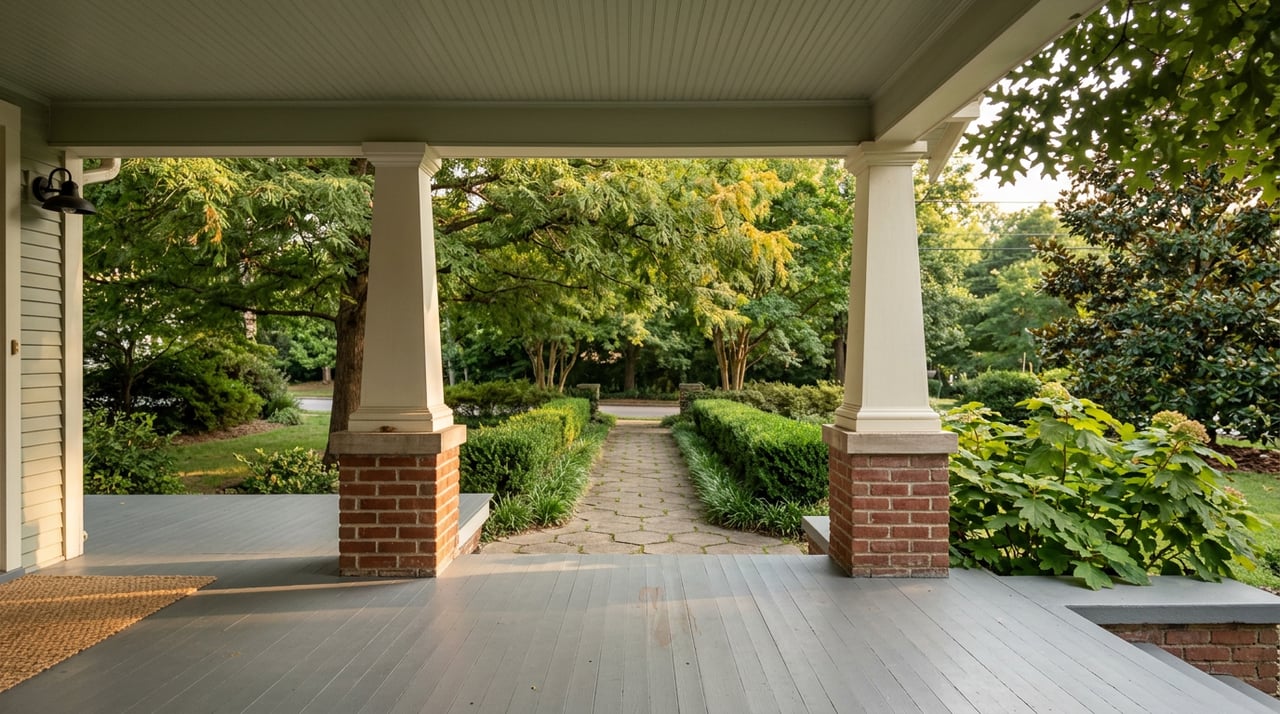
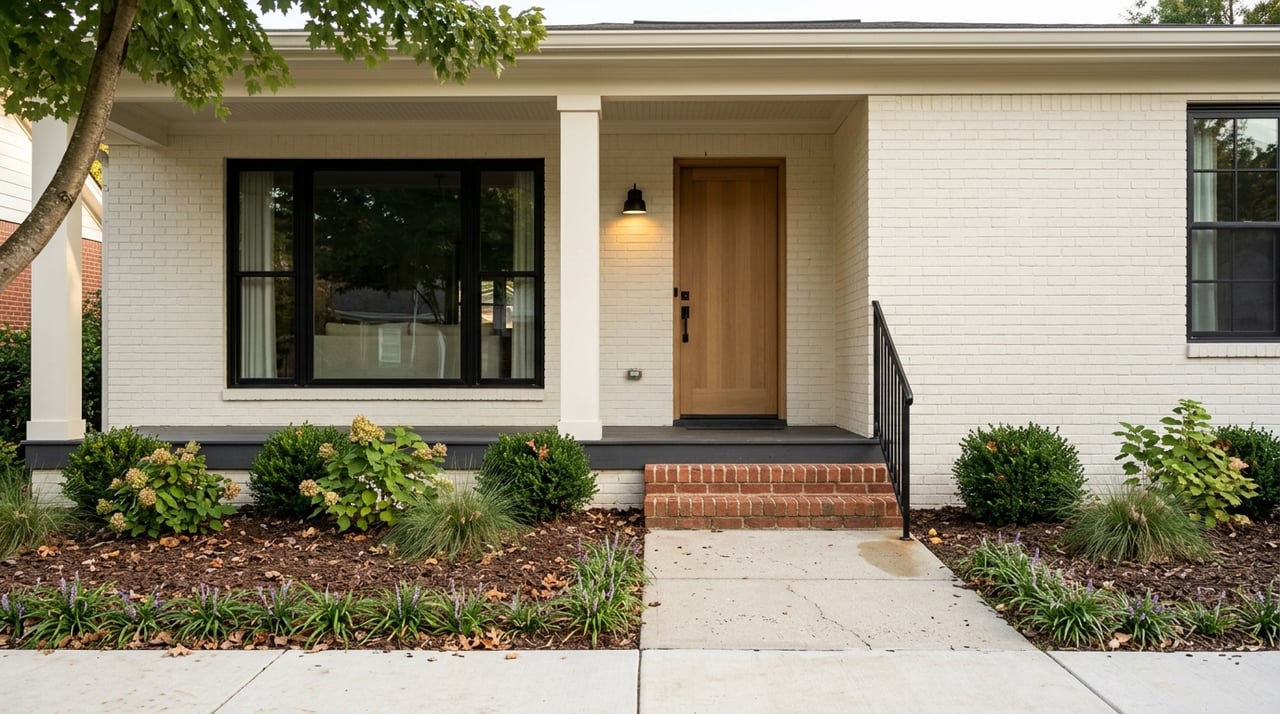
Craftsman-style homes are known for their warm materials, covered front porches, and detailed woodwork. If you are drawn to character and detail, these homes deliver it in abundance. Traditional colonial and brick ranch homes, prevalent throughout the area, offer symmetry and solid construction that appeals to buyers who value timeless design. Meanwhile, contemporary and modern builds, increasingly common in newer developments and infill lots across the city, favor clean lines, open volumes, and an integration of indoor and outdoor living.
The style you choose will also influence your renovation options down the road, so it is worth thinking about how much you want the architecture to remain intact versus how much flexibility you want to make changes. A historic Craftsman rewards buyers who appreciate its character; a newer construction gives you more of a blank canvas.
Craftsman-style homes are known for their warm materials, covered front porches, and detailed woodwork. If you are drawn to character and detail, these homes deliver it in abundance. Traditional colonial and brick ranch homes, prevalent throughout the area, offer symmetry and solid construction that appeals to buyers who value timeless design. Meanwhile, contemporary and modern builds, increasingly common in newer developments and infill lots across the city, favor clean lines, open volumes, and an integration of indoor and outdoor living.
The style you choose will also influence your renovation options down the road, so it is worth thinking about how much you want the architecture to remain intact versus how much flexibility you want to make changes. A historic Craftsman rewards buyers who appreciate its character; a newer construction gives you more of a blank canvas.
Architectural Styles Worth Evaluating in Charlotte
- Craftsman bungalow: Characterized by covered porches, exposed beam details, and natural materials like wood and stone.
- Traditional colonial: Features symmetrical facades, formal room layouts, and classic brick or painted wood exteriors.
- Contemporary/modern: Defined by flat or low-pitched rooflines, large windows, open floor plans, and minimal ornamentation.
- Ranch-style: Single-story living with a focus on accessibility and a strong connection to the yard and outdoor space.
- Transitional: Blends traditional structural elements with updated, more streamlined interiors and finishes.
Floor Plans and Functionality
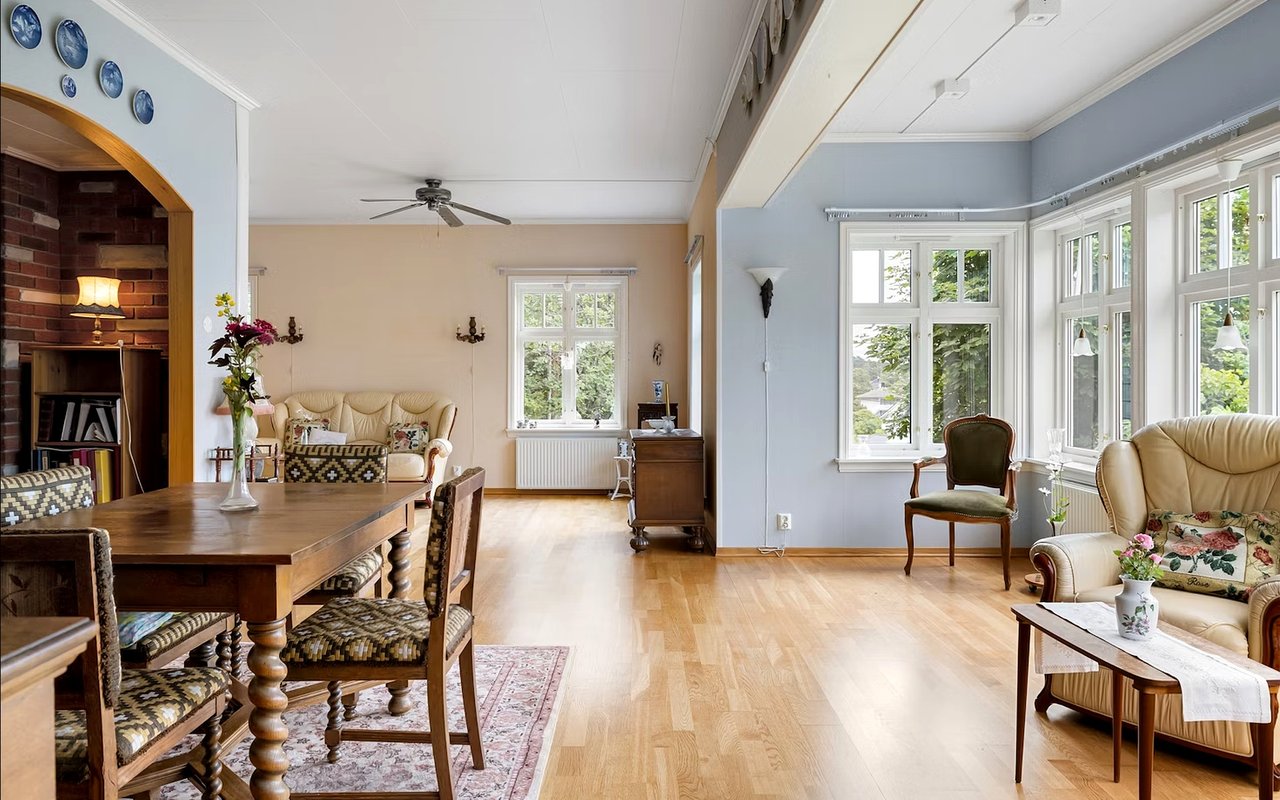
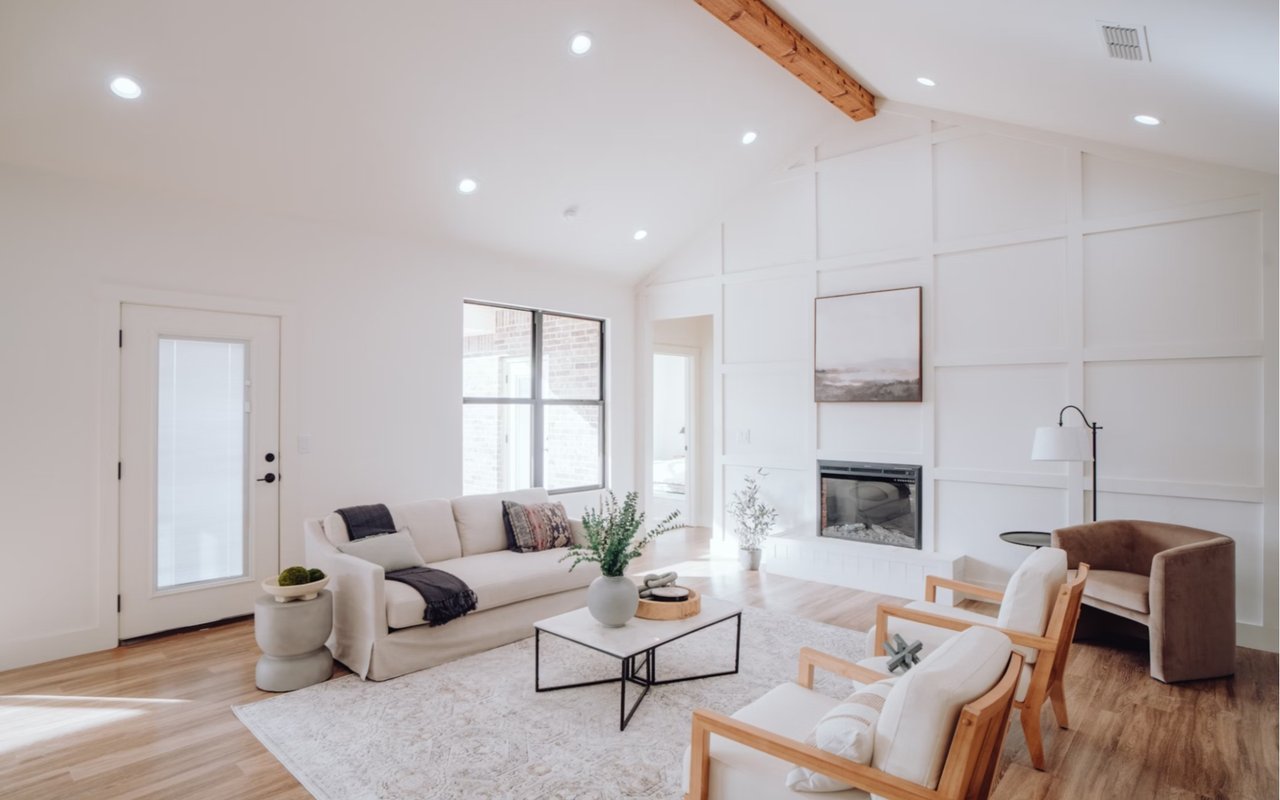
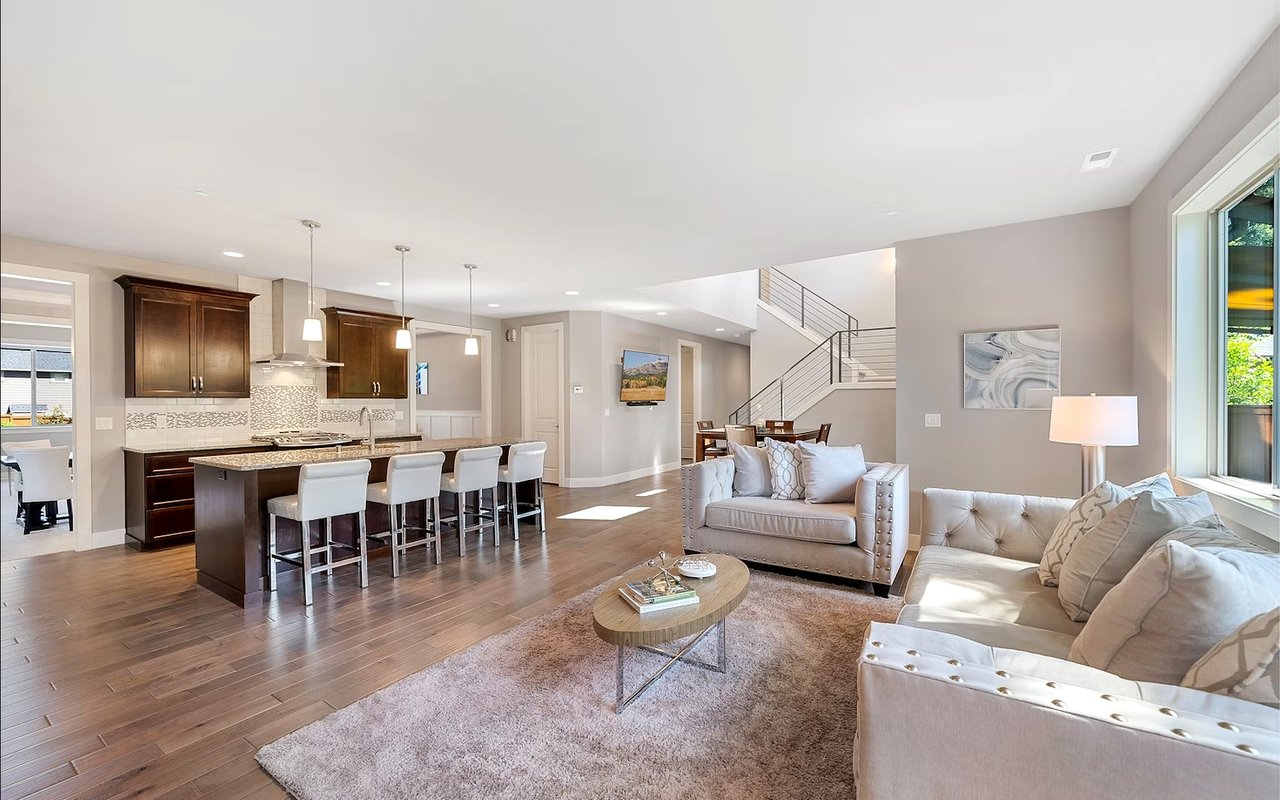
A floor plan is where architecture becomes daily life. Two homes can be the same size and feel completely different based on how the rooms are arranged and how easily you can move through the space. Before you tour homes, take time to think honestly about your routines and how your household functions throughout the day.
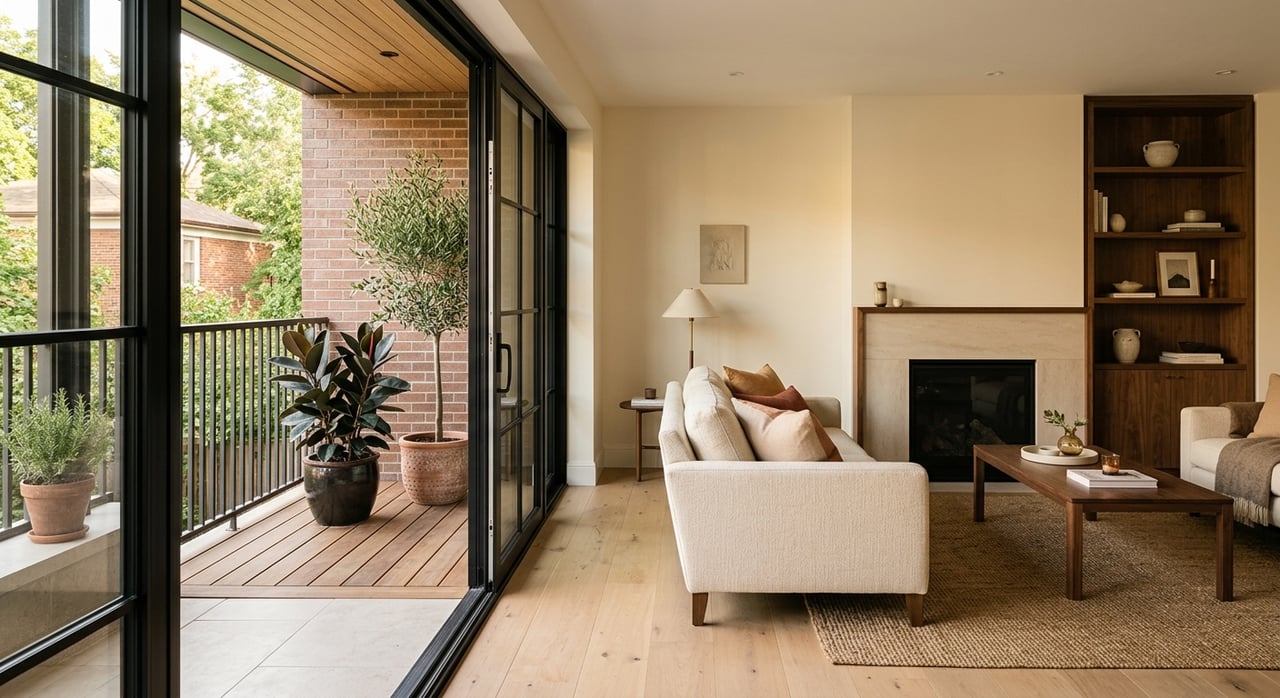
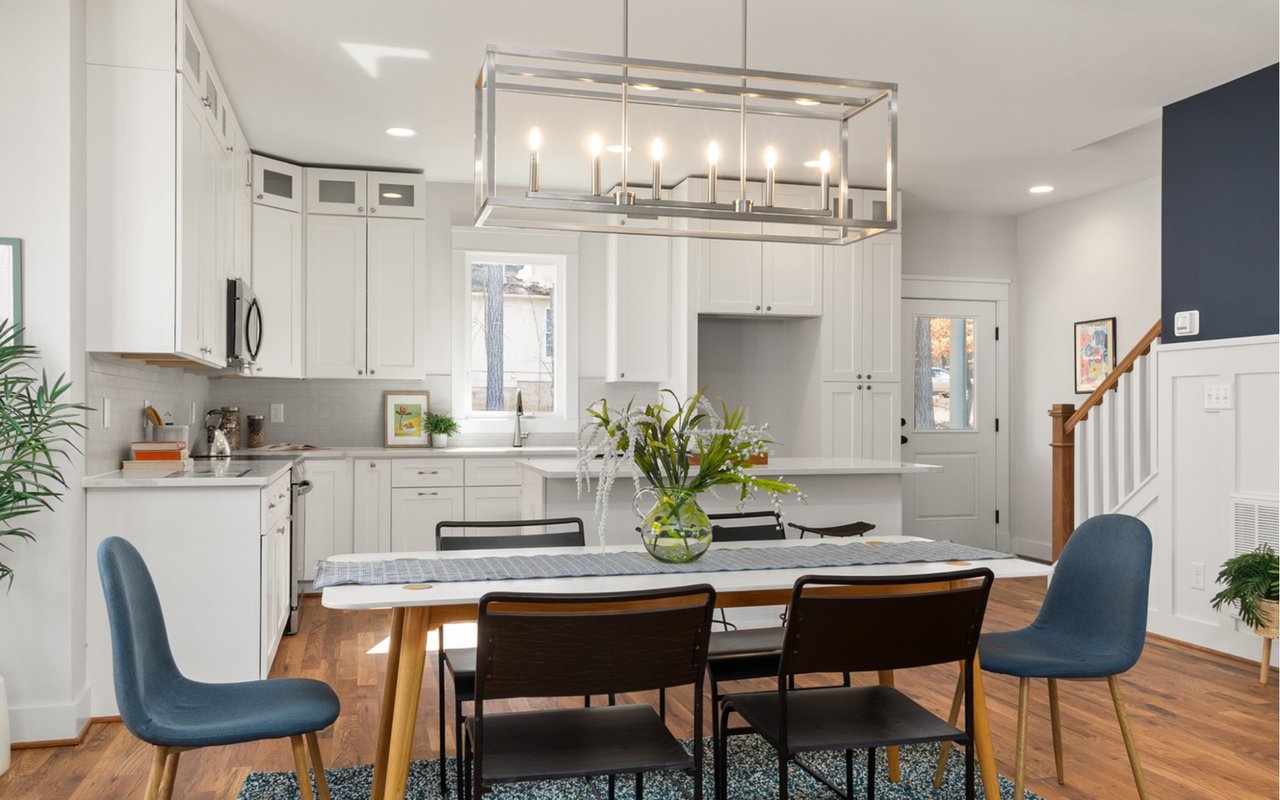
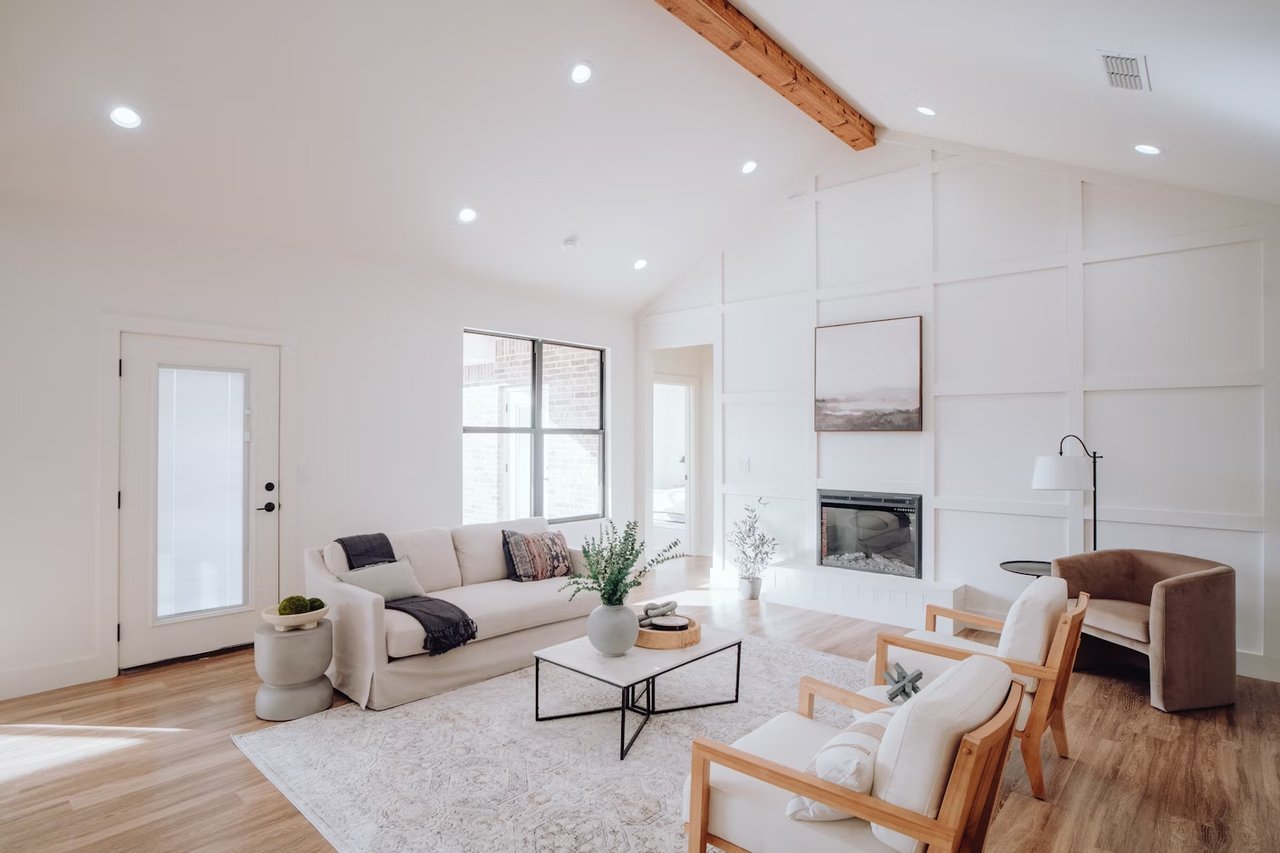
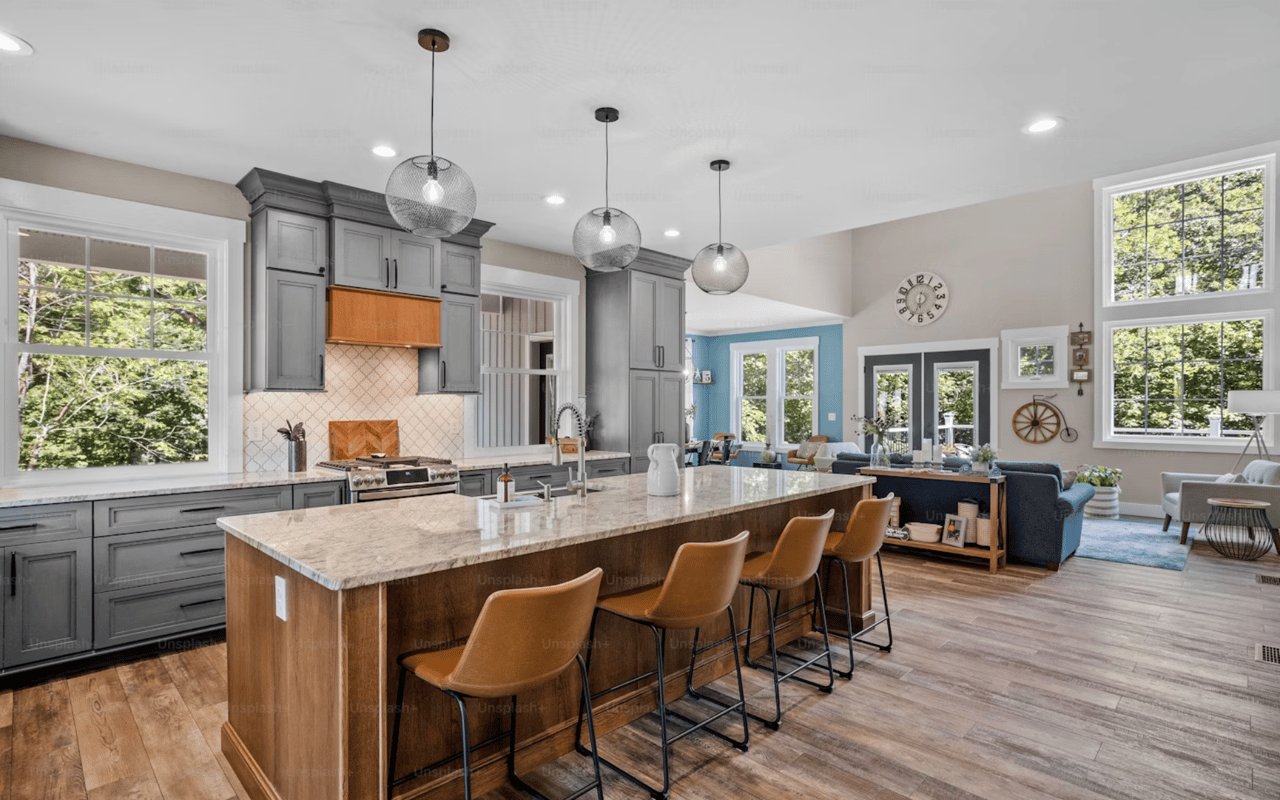
If you work from home, you will want a dedicated space with some separation from the main living areas. If you love to cook and entertain, the relationship between the kitchen, dining area, and living room matters enormously. Open-concept layouts create connectivity and allow for easy conversation across rooms, but they can also mean that noise travels freely throughout the home. More traditional layouts with defined rooms offer separation and privacy that some buyers find they really value, even if they assumed they wanted an open-concept design.
Think also about the vertical layout of the home. Are the primary bedroom and secondary bedrooms on the same floor? If aging in place or multi-generational living is a consideration, is there a bedroom and full bath on the main level? These functional details have a way of revealing themselves only after you have moved in, which is exactly why it is worth thinking through them in advance.
If you work from home, you will want a dedicated space with some separation from the main living areas. If you love to cook and entertain, the relationship between the kitchen, dining area, and living room matters enormously. Open-concept layouts create connectivity and allow for easy conversation across rooms, but they can also mean that noise travels freely throughout the home. More traditional layouts with defined rooms offer separation and privacy that some buyers find they really value, even if they assumed they wanted an open-concept design.
Think also about the vertical layout of the home. Are the primary bedroom and secondary bedrooms on the same floor? If aging in place or multi-generational living is a consideration, is there a bedroom and full bath on the main level? These functional details have a way of revealing themselves only after you have moved in, which is exactly why it is worth thinking through them in advance.
Floor Plan Features To Prioritize
- Main-level bedroom or full bath for flexible living arrangements over time.
- Kitchen placement relative to the garage or side entry for efficient grocery unloading and everyday access.
- Natural traffic flow between the kitchen, dining, and living areas for comfortable daily movement.
- Separation between common spaces and bedrooms to allow for quiet.
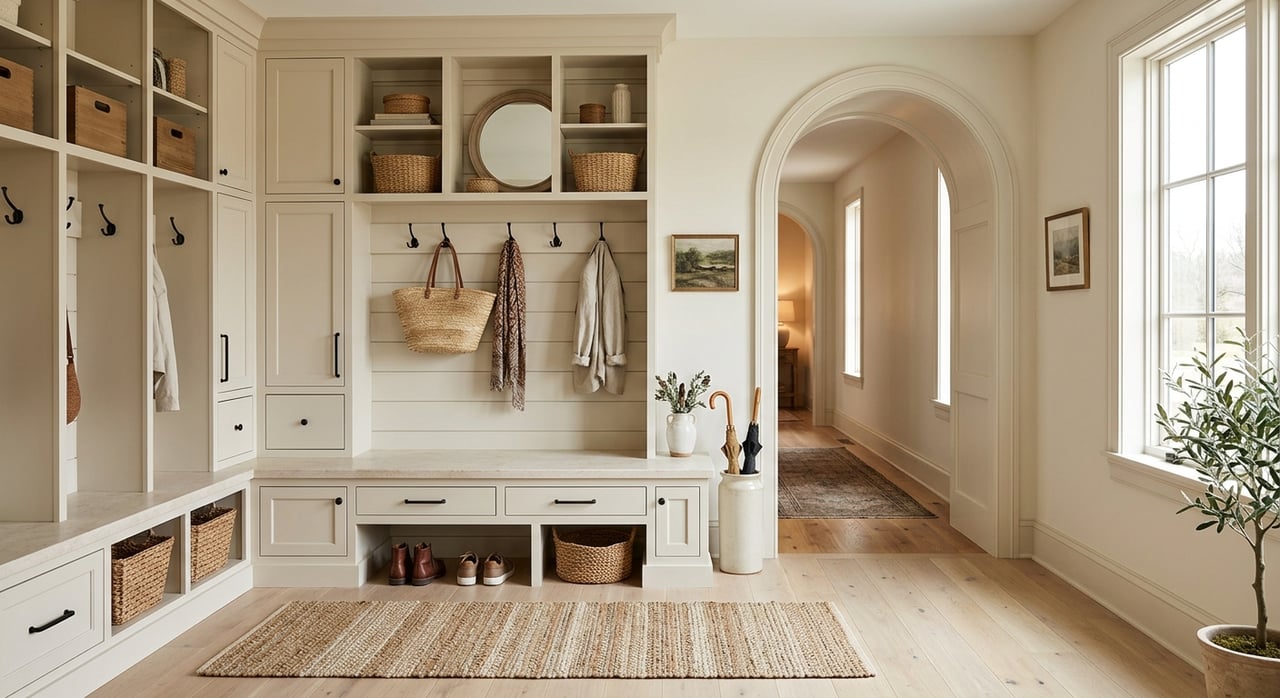
- Adequate storage, including closets, pantries, and utility space, distributed throughout rather than concentrated in one area.
Interior Features and Finishes: What Holds Its Value and What Matters to You?
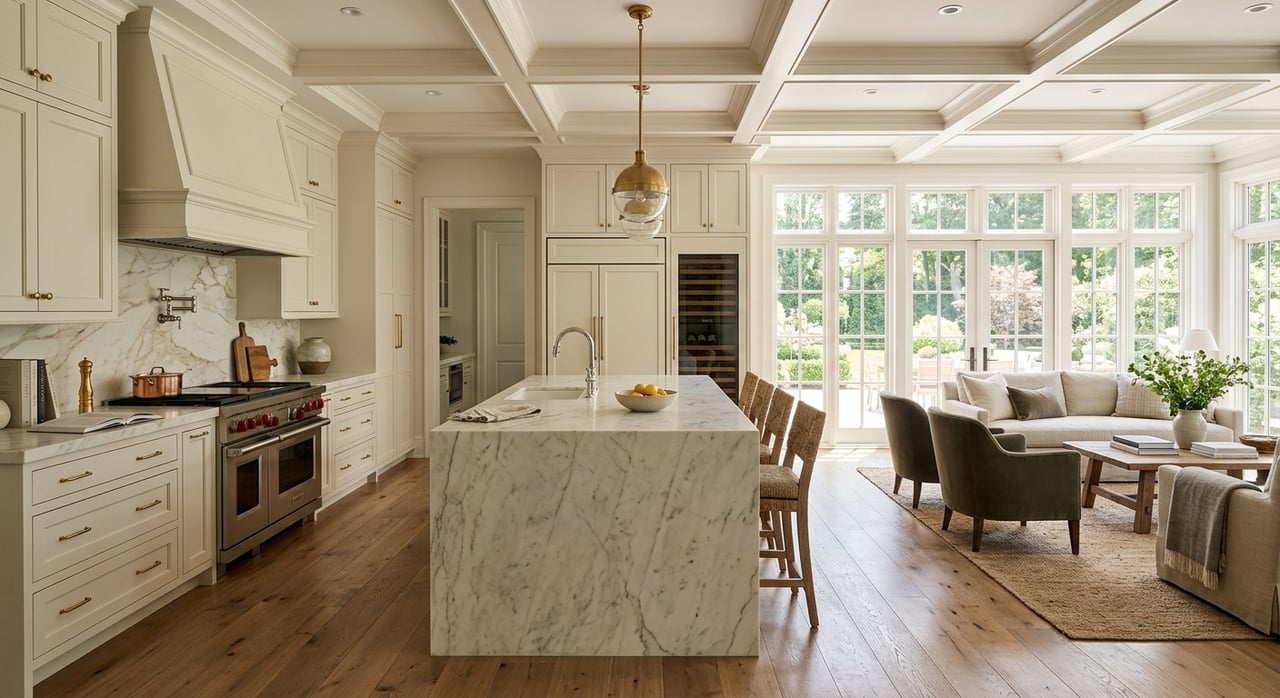
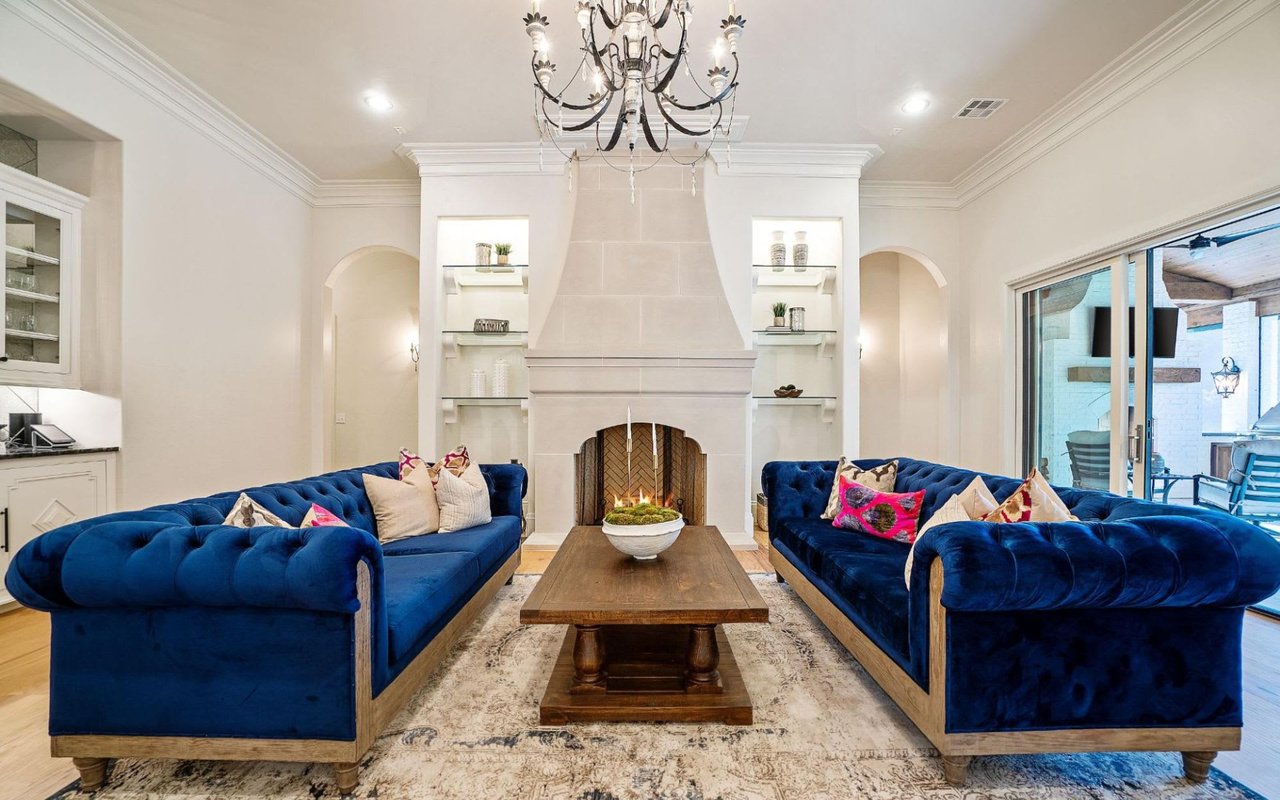
Interior features are where buyers often get the most emotionally invested, and for good reason. The finishes you see and experience every day contribute significantly to how much you enjoy being at home. At the same time, it is helpful to separate the features that are most important to you from those that are easy and affordable to change.
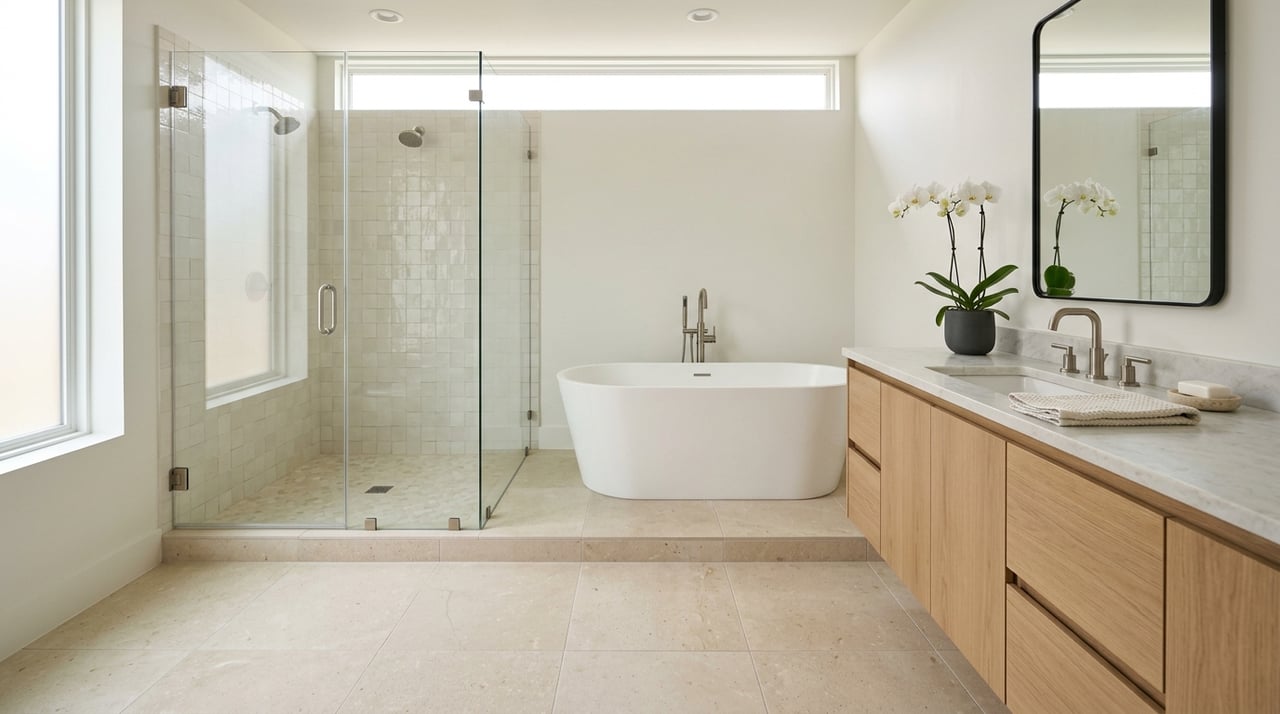
Paint colors, light fixtures, and hardware are all highly changeable. Flooring, cabinetry, and countertops are moderately changeable, though they come with real cost and disruption. Structural elements like ceiling height, window size, the location of plumbing walls, and load-bearing configurations are much harder and more expensive to alter. When evaluating a home, ask yourself whether you are reacting to the bones of the house or the decoration layered on top of it.
In Charlotte, buyers often prioritize kitchen layouts and primary suite configurations above most other features. Storage is another consistent priority, particularly for buyers moving from larger homes or those with significant storage needs. Whatever your list, rank your features by how difficult they would be to add after the fact, so that during the search, you are protecting your hard-to-change priorities and staying flexible on everything else.
Paint colors, light fixtures, and hardware are all highly changeable. Flooring, cabinetry, and countertops are moderately changeable, though they come with real cost and disruption. Structural elements like ceiling height, window size, the location of plumbing walls, and load-bearing configurations are much harder and more expensive to alter. When evaluating a home, ask yourself whether you are reacting to the bones of the house or the decoration layered on top of it.
In Charlotte, buyers often prioritize kitchen layouts and primary suite configurations above most other features. Storage is another consistent priority, particularly for buyers moving from larger homes or those with significant storage needs. Whatever your list, rank your features by how difficult they would be to add after the fact, so that during the search, you are protecting your hard-to-change priorities and staying flexible on everything else.
Interior Features Worth Evaluating Carefully
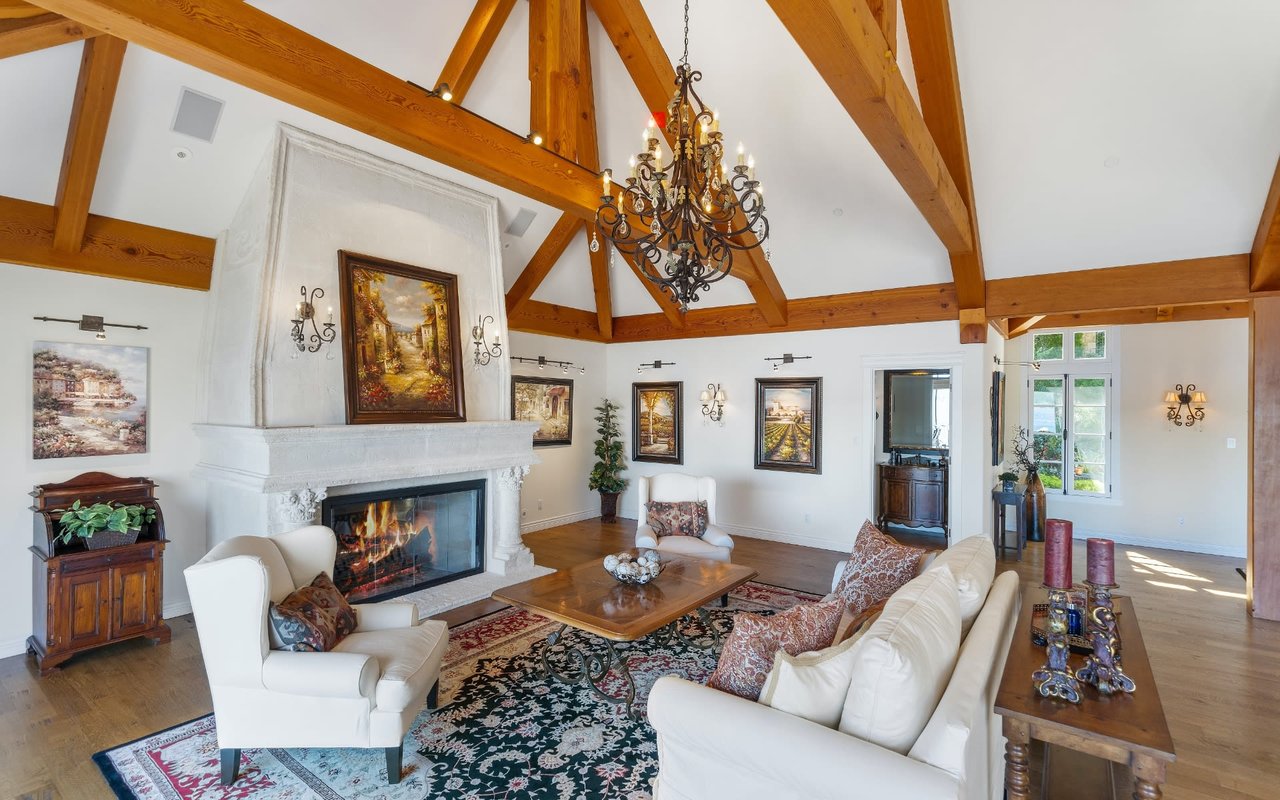
- Ceiling heights throughout, particularly in the main living areas and primary bedroom.
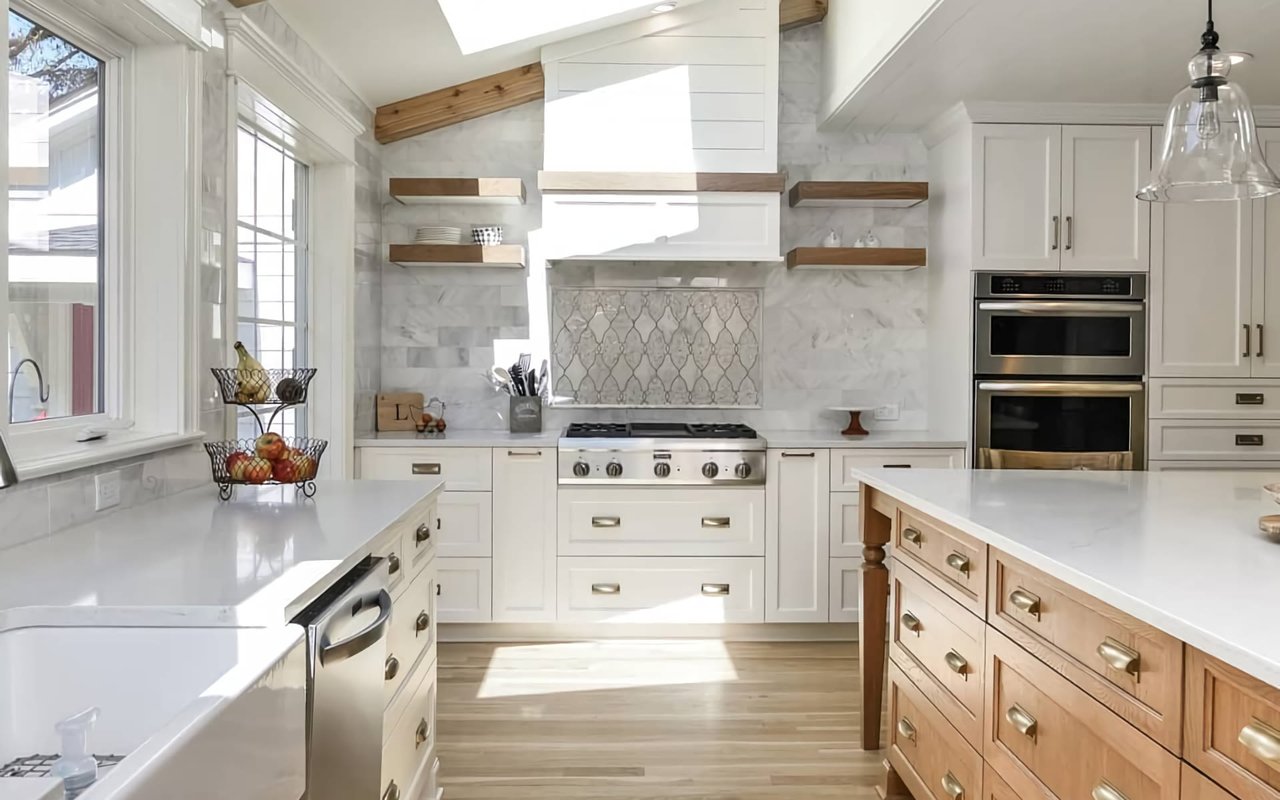
- Natural light quality and window placement relative to the home's orientation on the lot.
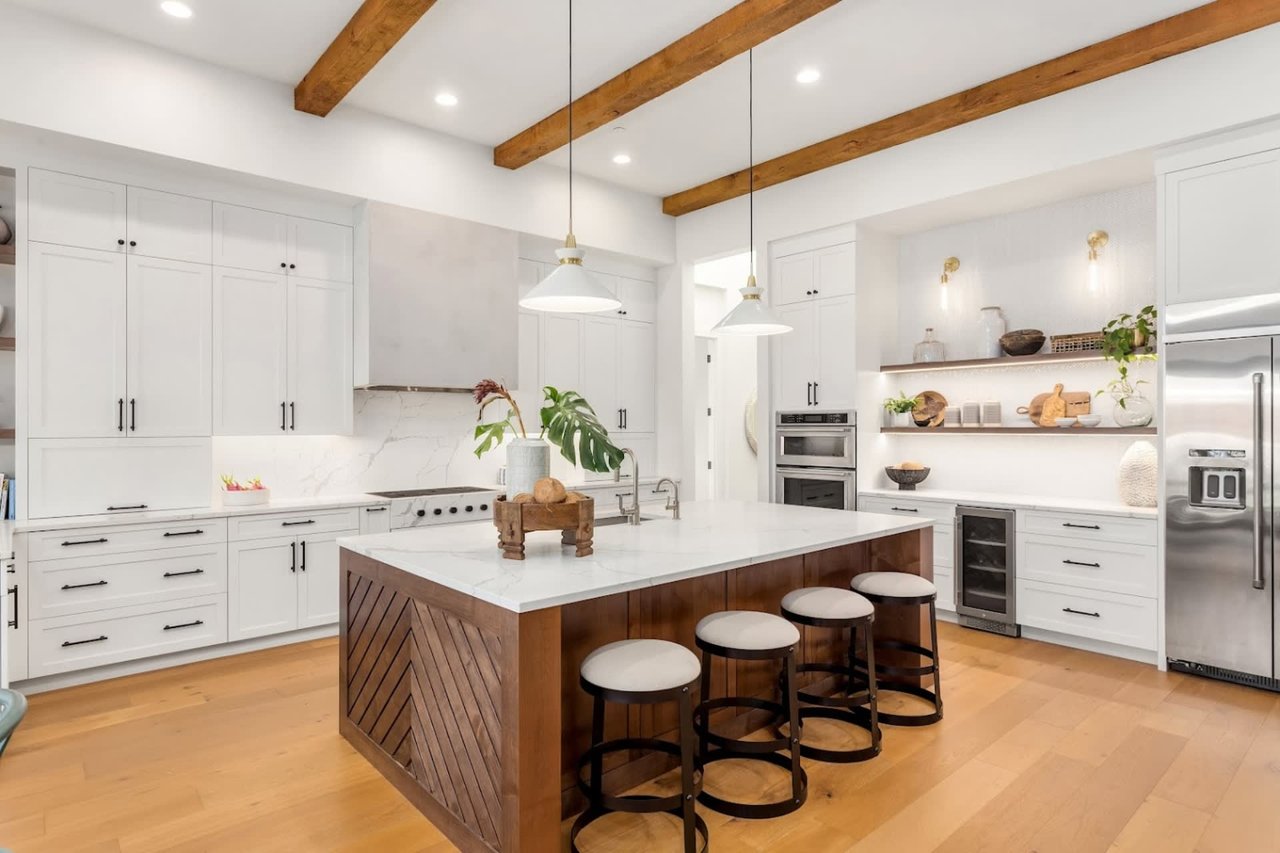
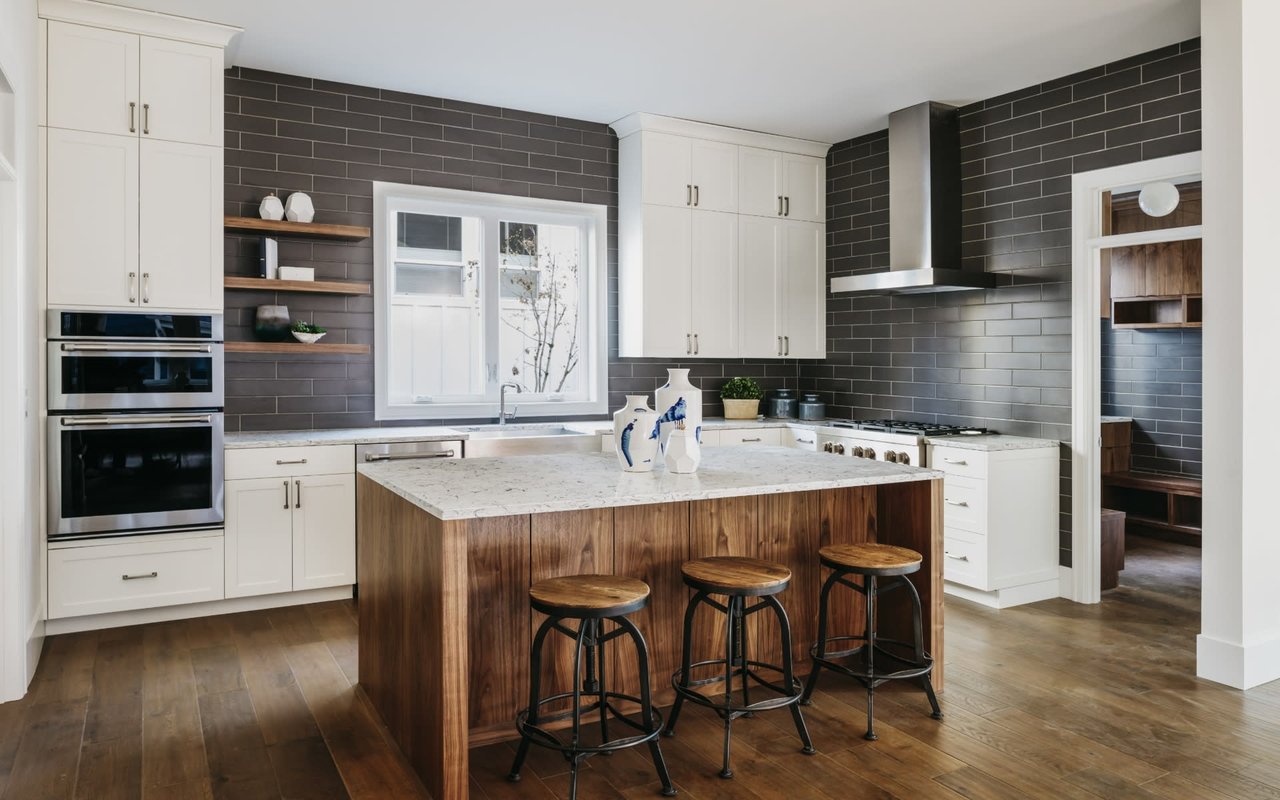
- Kitchen layout and whether the configuration supports how you actually cook and move in the space.
- Closet and storage square footage relative to your actual needs.
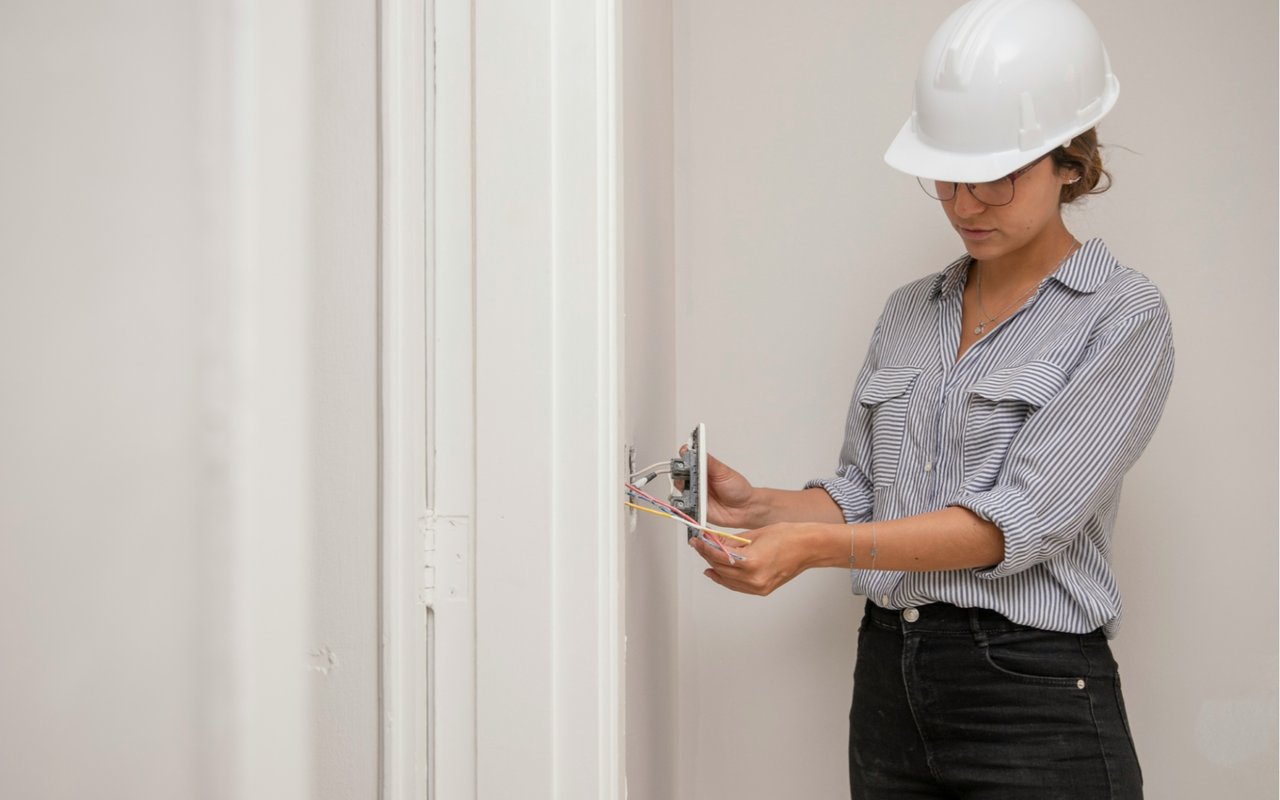
- Age and condition of major systems, including HVAC, plumbing, and the electrical panel, which affect both immediate costs and long-term planning.
Outdoor Spaces and Lot Characteristics
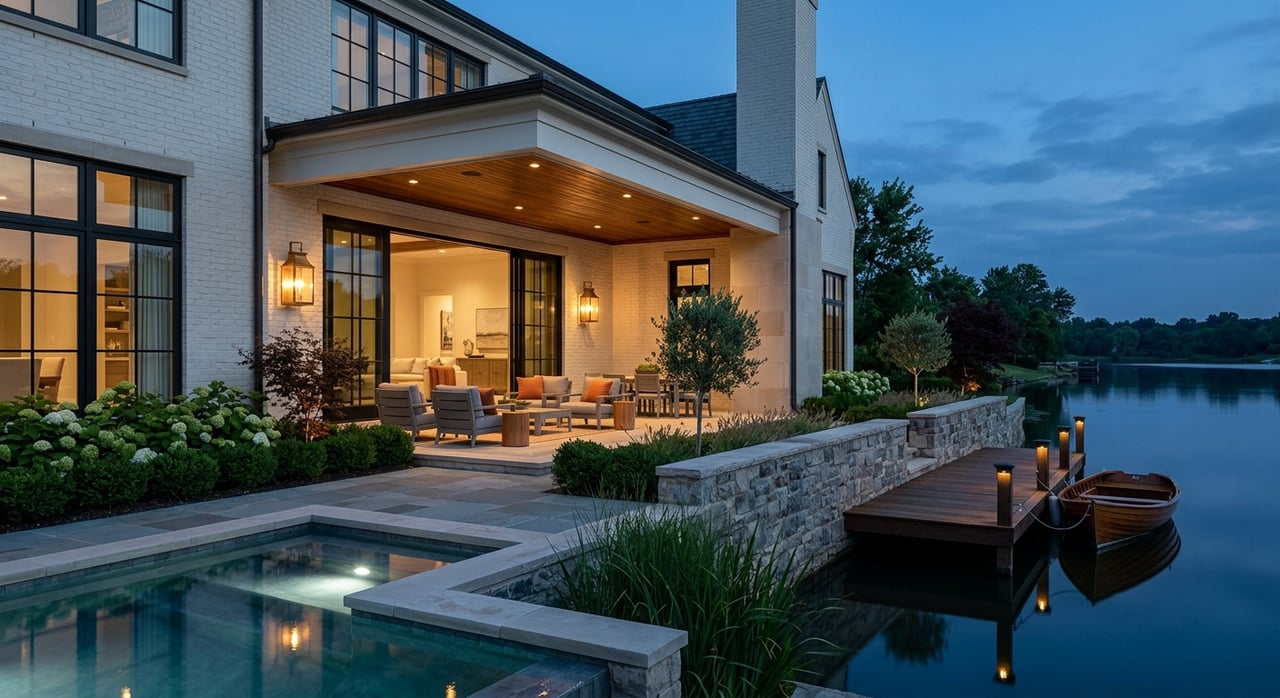
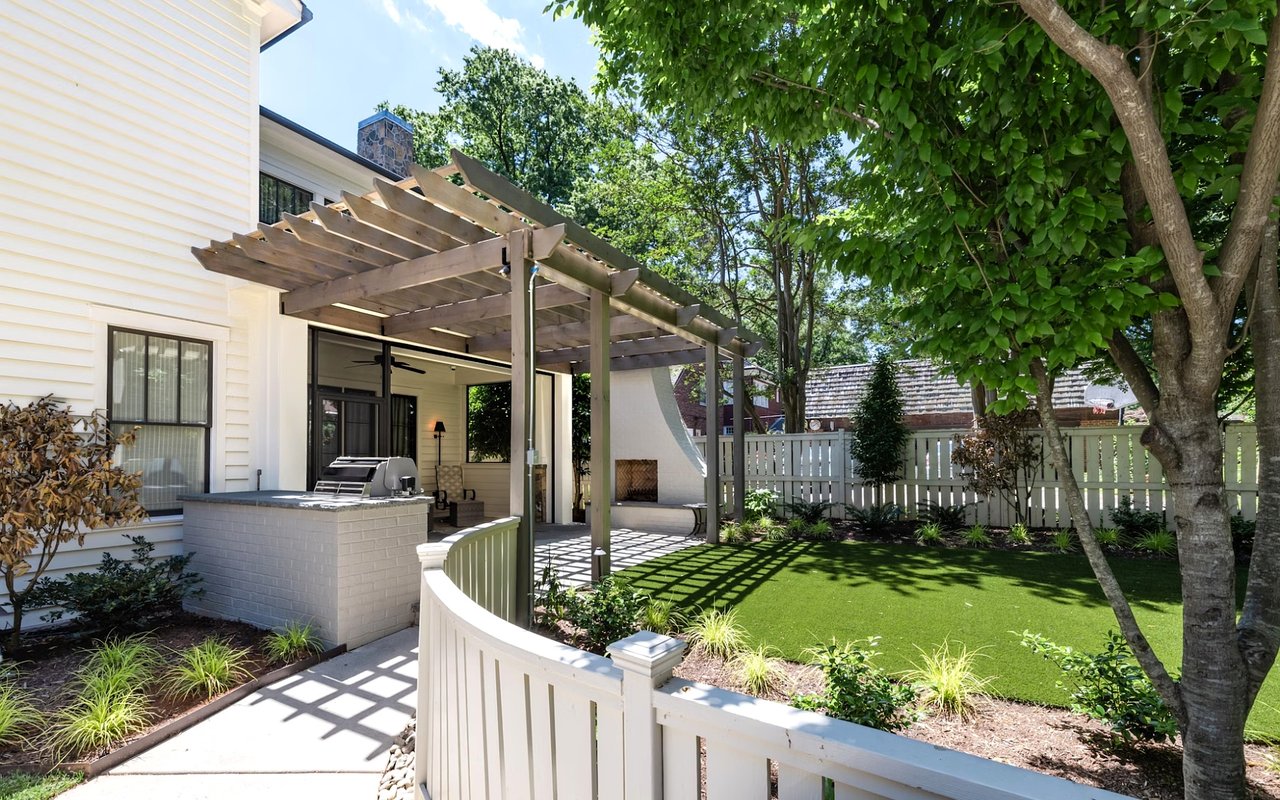
The lot that a home sits on shapes how you experience the property as a whole, yet buyers frequently spend far less time evaluating it than they do the interior. In Charlotte, where the warm climate invites outdoor living for a solid portion of the year, the yard, orientation, and outdoor spaces deserve serious attention.
Consider how the lot is oriented relative to the sun. A south-facing backyard will receive more afternoon light, which is ideal for gardens and outdoor entertaining but can also mean more heat in warmer months. North-facing rear yards tend to stay cooler and shadier. Neither is inherently better, but the difference is real and will affect how you use the space.
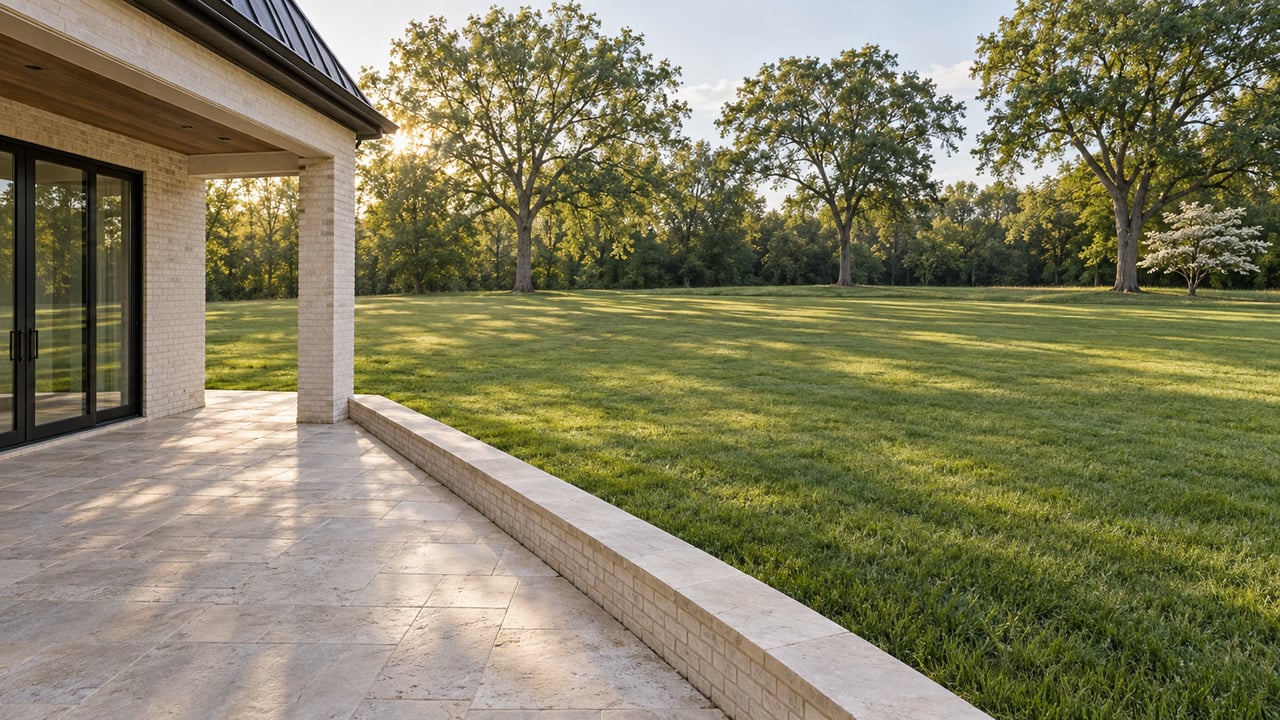
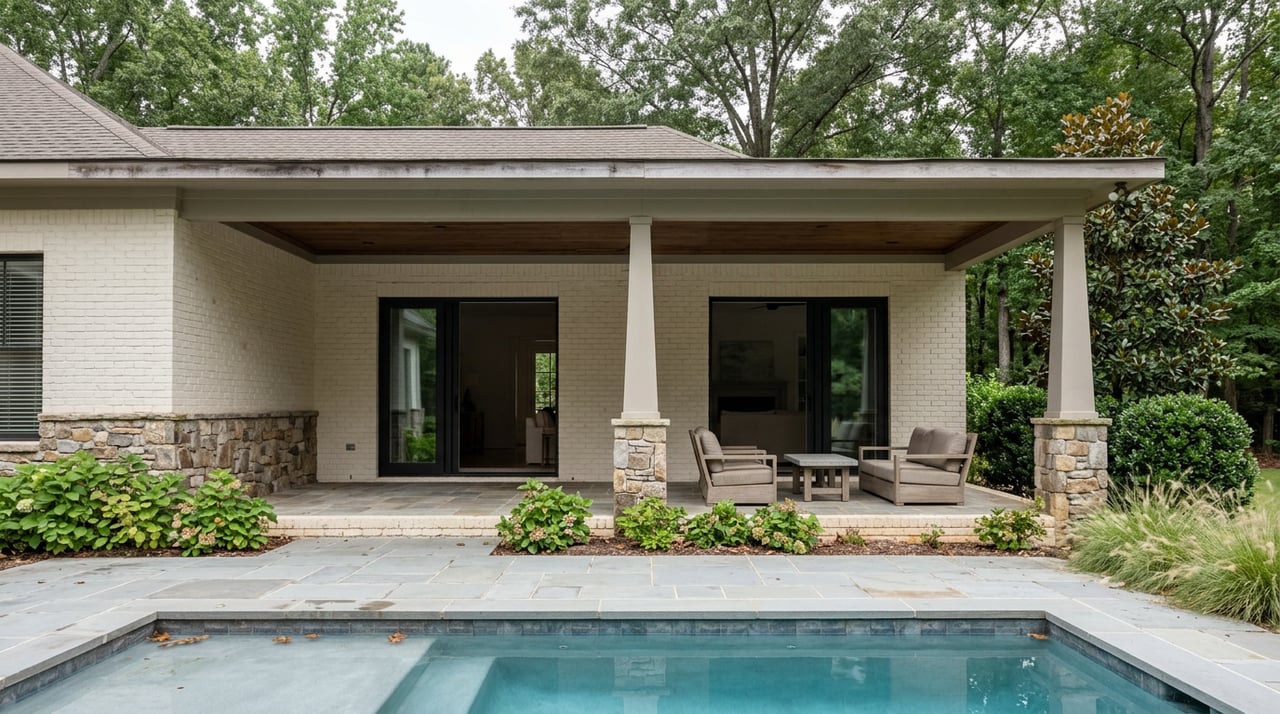
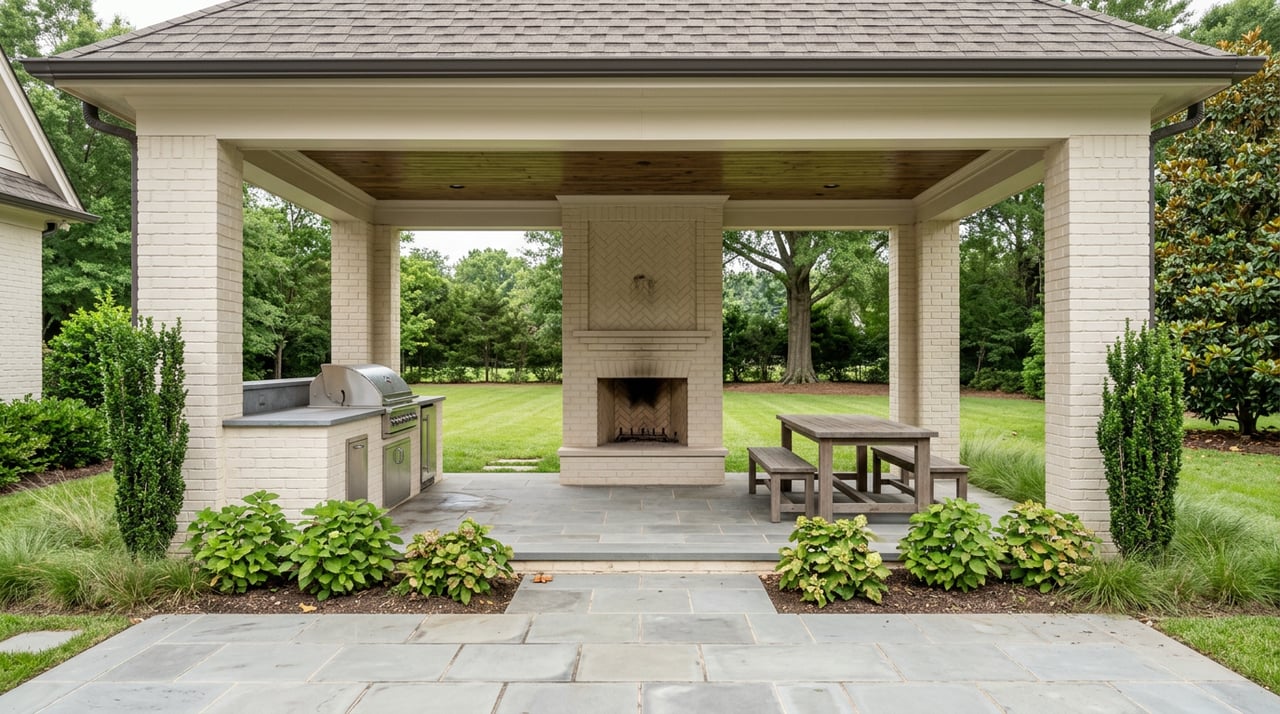
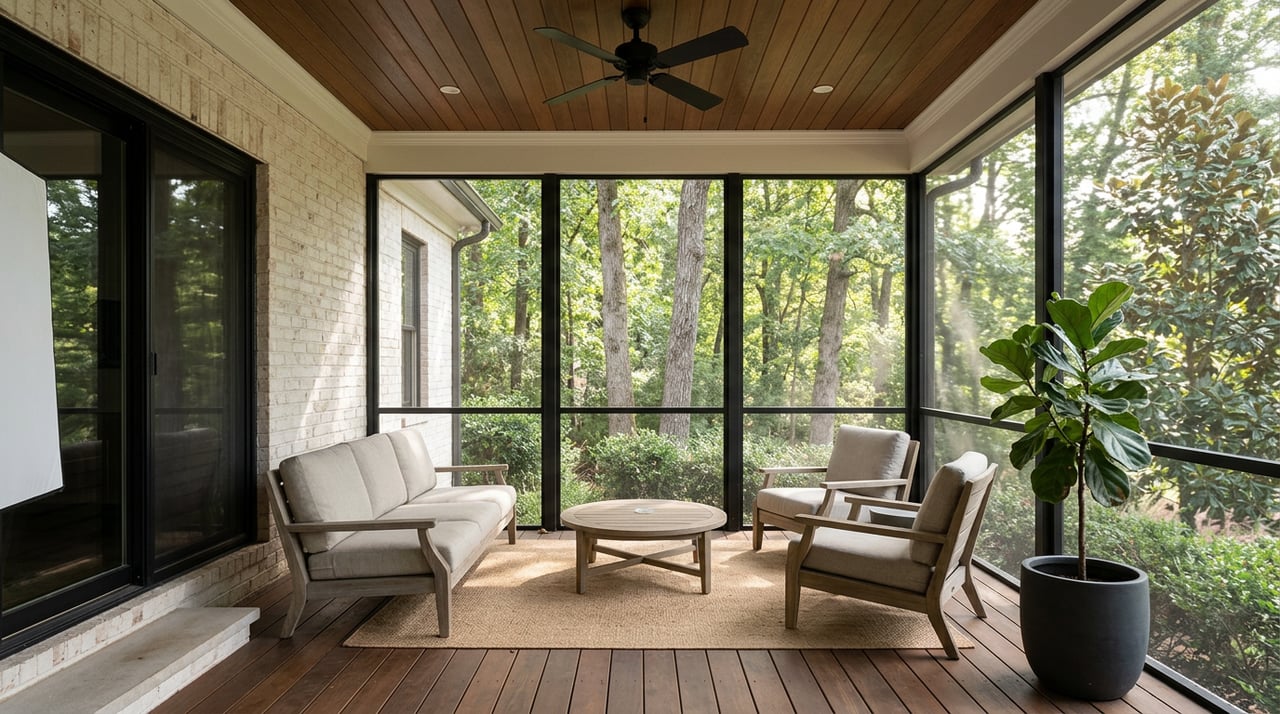
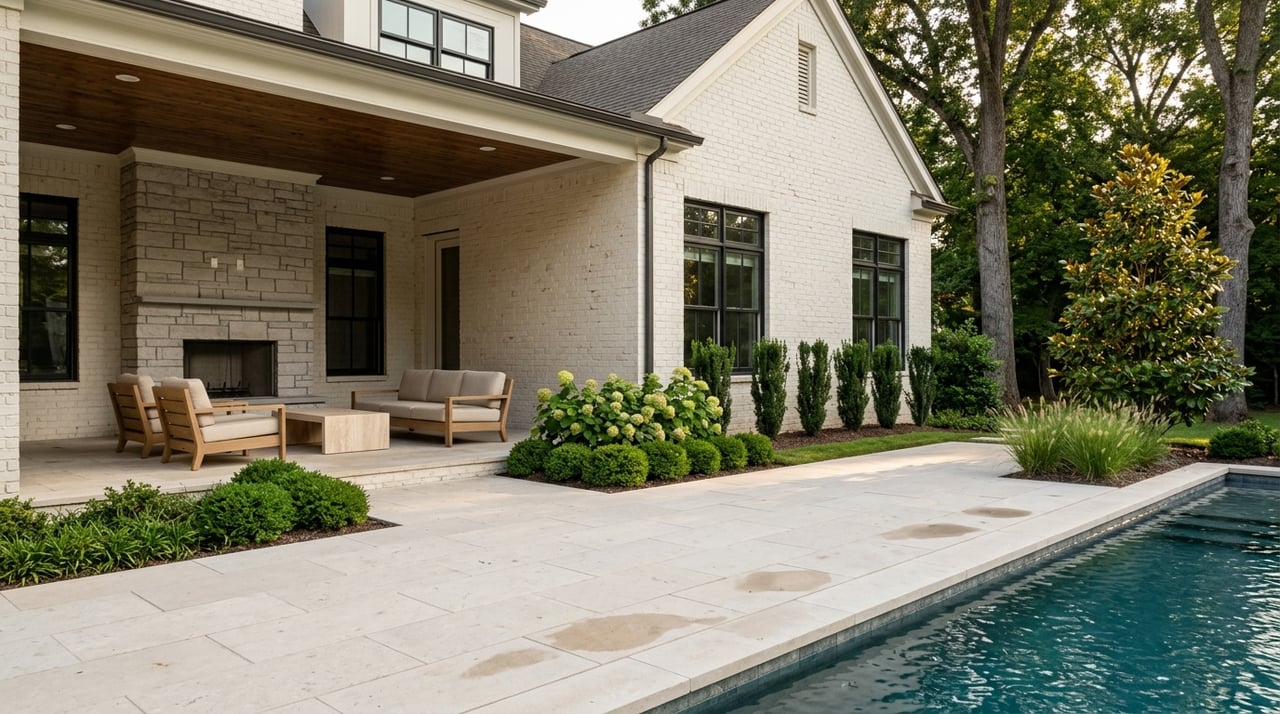
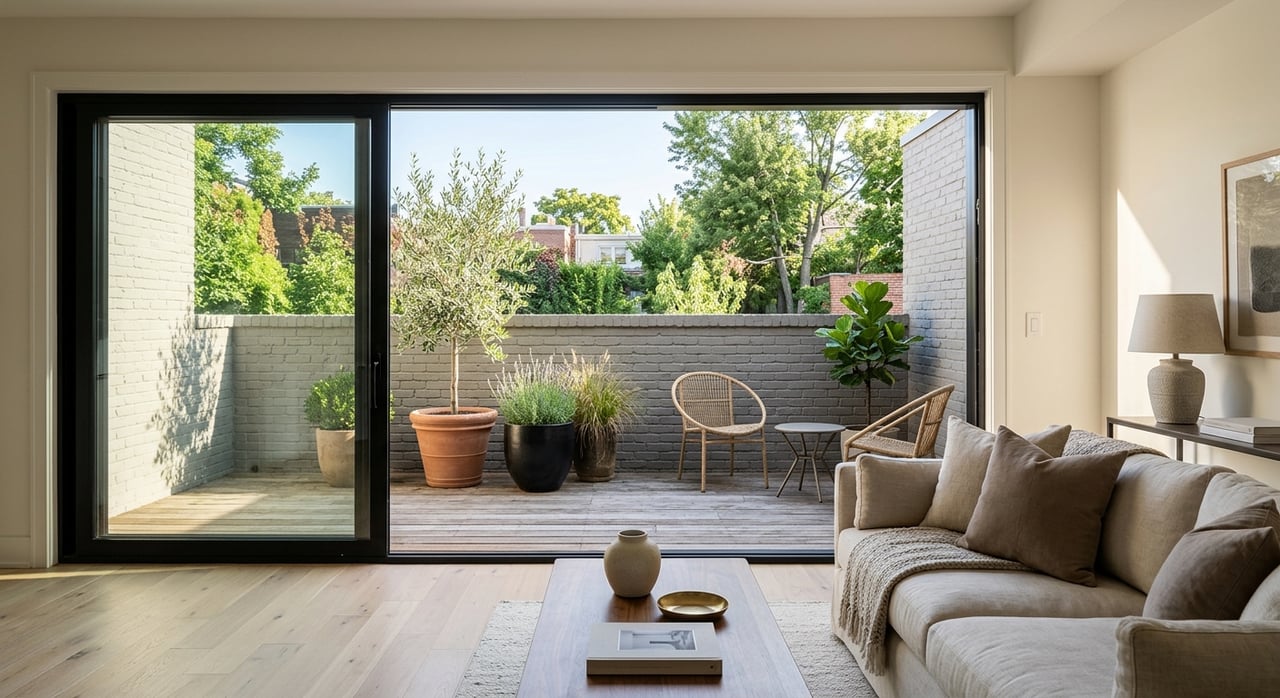
Look also at the relationship between the indoor and outdoor spaces. Does the home have a covered porch, screened porch, or patio that extends the usable living area? Is the yard level enough to be functional, or is it graded? How removed does it feel from neighboring properties? These details add up quickly when you consider how much time you will actually spend outside.
Consider how the lot is oriented relative to the sun. A south-facing backyard will receive more afternoon light, which is ideal for gardens and outdoor entertaining but can also mean more heat in warmer months. North-facing rear yards tend to stay cooler and shadier. Neither is inherently better, but the difference is real and will affect how you use the space.
Look also at the relationship between the indoor and outdoor spaces. Does the home have a covered porch, screened porch, or patio that extends the usable living area? Is the yard level enough to be functional, or is it graded? How removed does it feel from neighboring properties? These details add up quickly when you consider how much time you will actually spend outside.
Outdoor Considerations That Shape Daily Life
- Lot orientation and how sunlight moves across the yard and through rear-facing windows throughout the day.
- Covered outdoor space, such as a porch, deck, or patio, that allows for year-round use.
- Yard usability, including the grade, drainage, and overall configuration relative to how you plan to use it.
- The driveway configuration and garage access in relation to daily arrivals and departures.
FAQs
How Do I Know If a Floor Plan Will Work for My Lifestyle?
The best way to evaluate a floor plan is to mentally walk through a typical day in the home before you make any decisions. Think about your morning routine, including where you work, how you cook, how you relax, and where you spend the most time. Map those habits to the floor plan and see where friction points emerge. Touring a home multiple times or at different times of day can also reveal things that are easy to miss on a first visit.
What Are the Most Common Features Buyers Wish They Had Prioritized?
Storage and natural light consistently rank among the features buyers most wish they had prioritized. Both are difficult and expensive to add after the fact. Adequate closet space, a functional pantry, well-placed windows, and good ceiling heights are the kinds of details that shape daily quality of life in ways that are easy to underestimate during the excitement of the search.
Does Architectural Style Affect Resale Value in Charlotte?
In Charlotte, certain architectural styles tend to hold strong appeal, which can support resale value. Traditional brick homes and Craftsman-style properties have historically performed well in the Charlotte real estate market. That said, resale value is influenced by far more than style alone, including location, condition, updates, and the broader market at the time of sale.
How Much Should I Compromise on My Feature Priorities?
There is a difference between flexibility and compromise. Staying flexible on finishes and cosmetic details is smart; those are easy to change. Compromising on structural features, location, or core functional needs tends to lead to regret. Before you start touring, write down your three to five non-negotiables and treat those as firm. Everything else can be evaluated case by case.
The Home That Fits Is the One Worth Finding
No checklist will ever fully capture the feeling of walking into the right home, but a clear set of priorities gets you as close as possible before you walk through the door. When you understand what you are looking for in terms of architectural style, floor plan functionality, interior features, and outdoor space, you move through the search with focus rather than noise.
Charlotte offers an extraordinary range of housing options, and the right fit is out there. The key is knowing enough about your own priorities and having the right guidance to help you evaluate what you find.
Our team at Your Property People, Inc. is here to help you move through this process with clarity and confidence. When you are ready to start the search, reach out to us, and we will get to work finding the home that genuinely fits.
Charlotte offers an extraordinary range of housing options, and the right fit is out there. The key is knowing enough about your own priorities and having the right guidance to help you evaluate what you find.
Our team at Your Property People, Inc. is here to help you move through this process with clarity and confidence. When you are ready to start the search, reach out to us, and we will get to work finding the home that genuinely fits.