Wondering whether NoDa is just a fun place to visit or a neighborhood that truly works for daily life? If you are drawn to creative energy but still want practical convenience, NoDa stands out as one of Charlotte’s most distinctive options. From historic character and local dining to rail access and walkable routines, this guide will help you understand what living in NoDa can actually feel like. Let’s dive in.
NoDa at a Glance
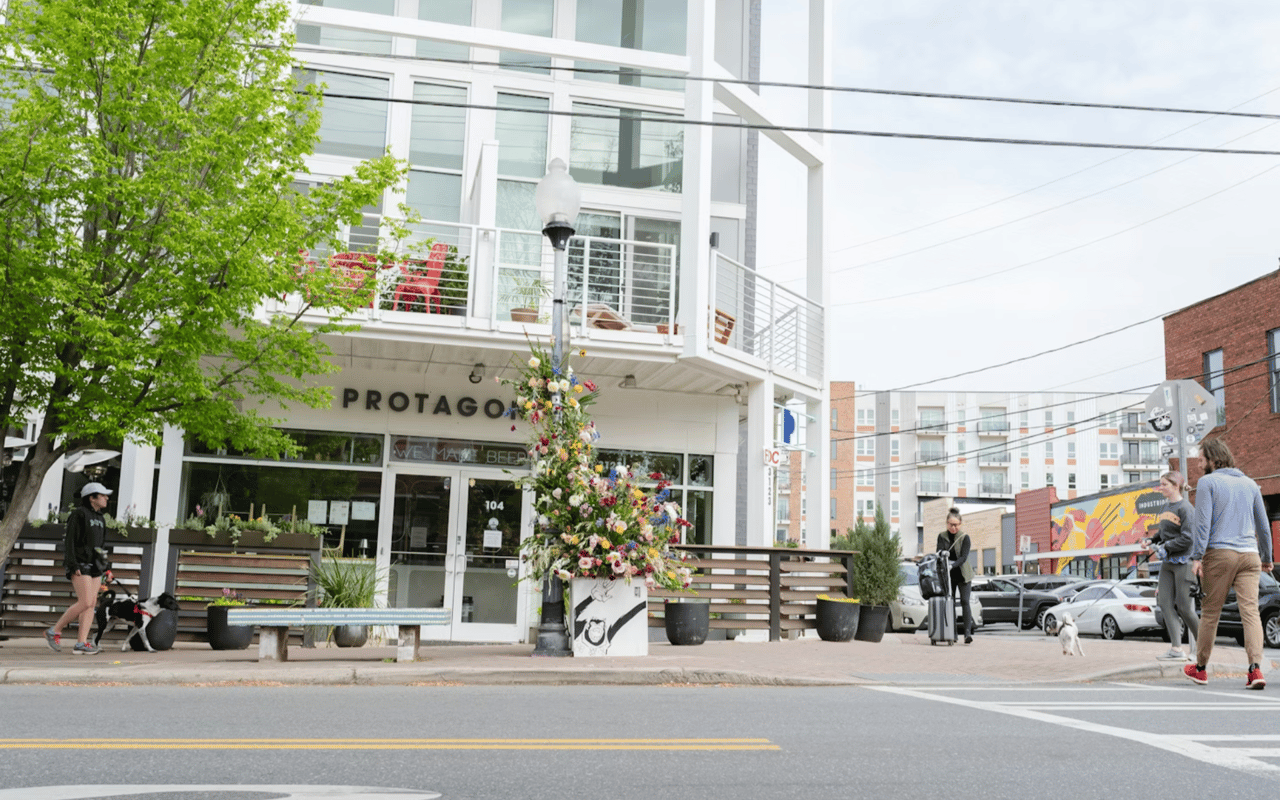
NoDa, short for North Davidson, grew from an industrial mill village into Charlotte’s arts district. That history still shows up in the neighborhood today through preserved mill homes, reused commercial buildings, murals, and a strong local business presence.
What makes NoDa especially appealing is how its character and convenience work together. It feels creative and established, not manufactured, while still offering many of the features buyers often want in a more connected urban neighborhood.
NoDa Housing Feels Varied
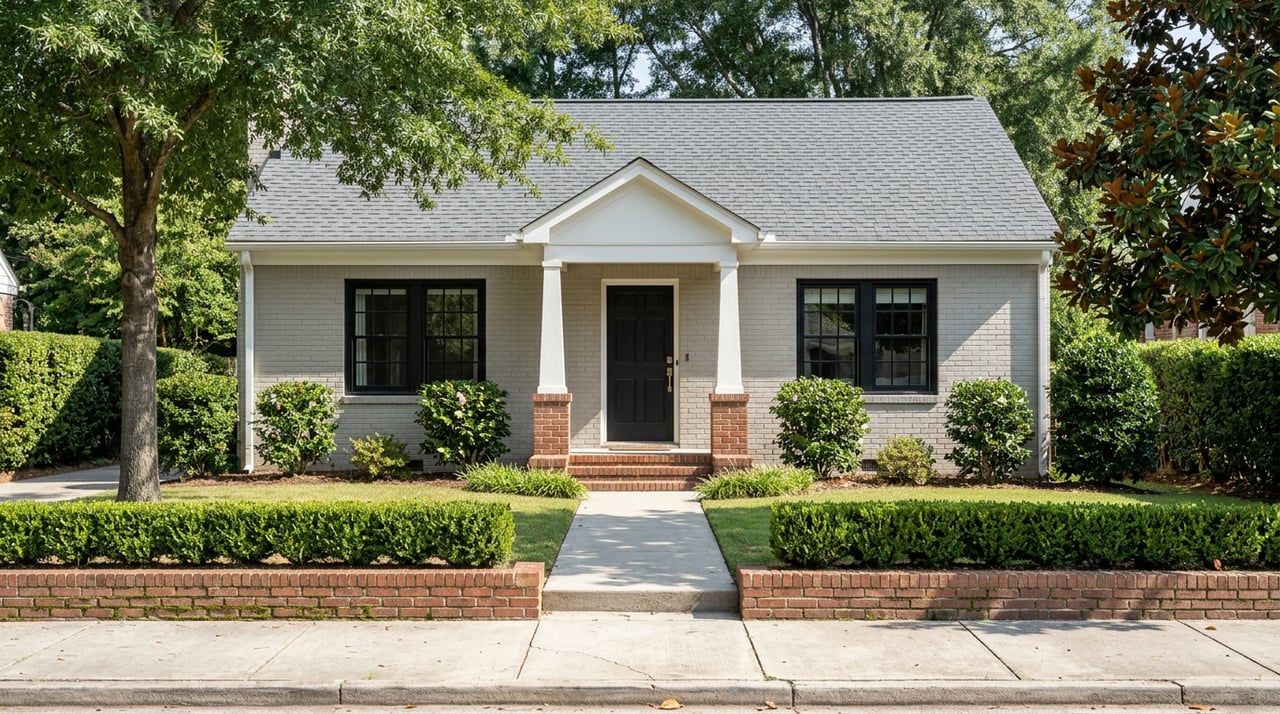
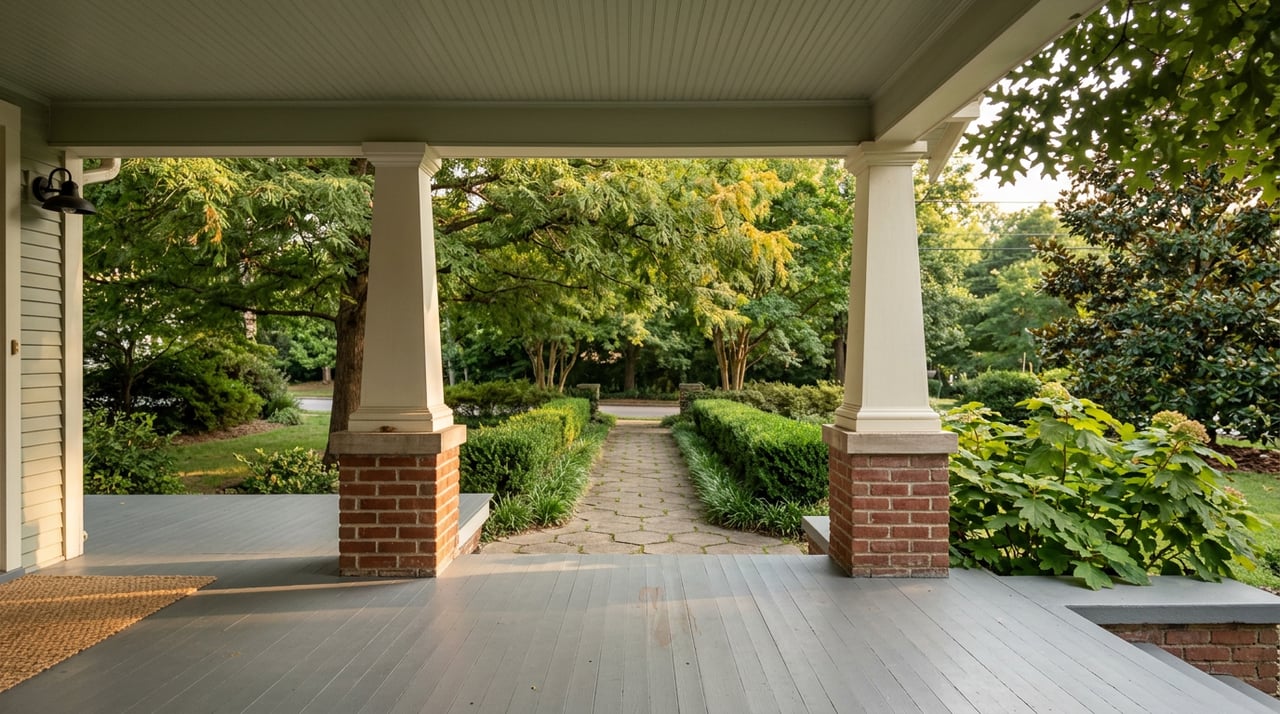
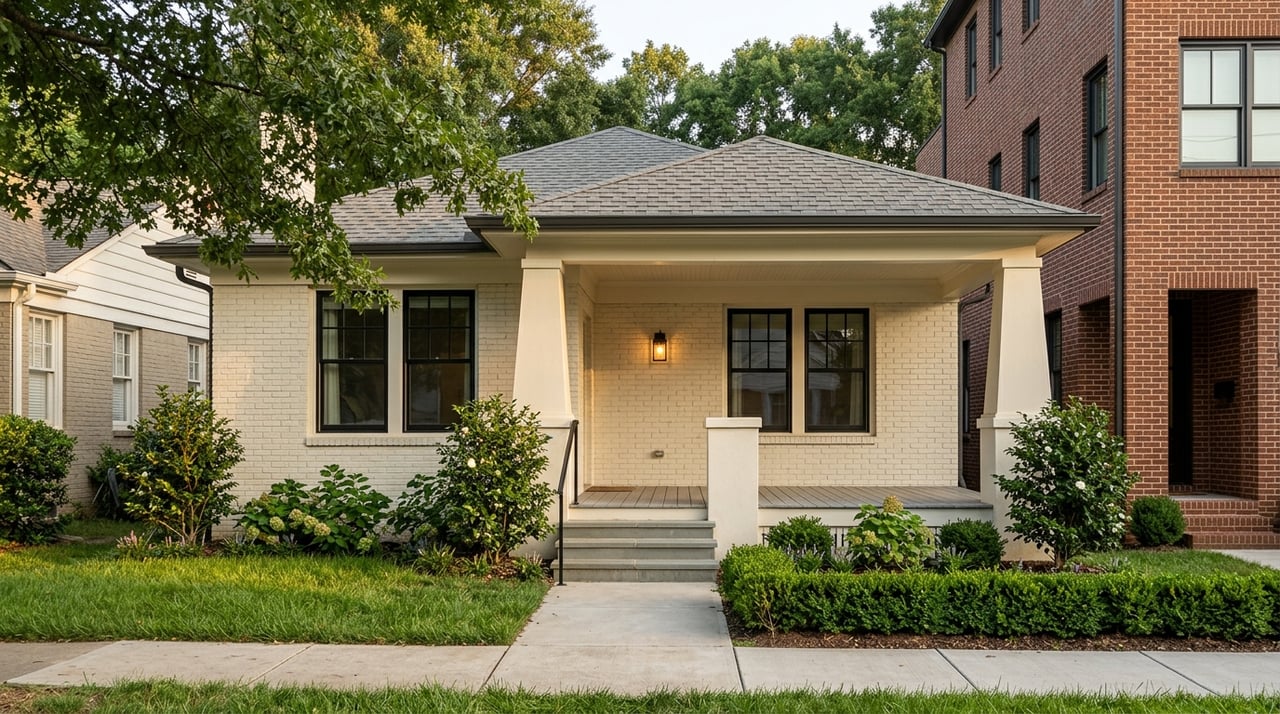
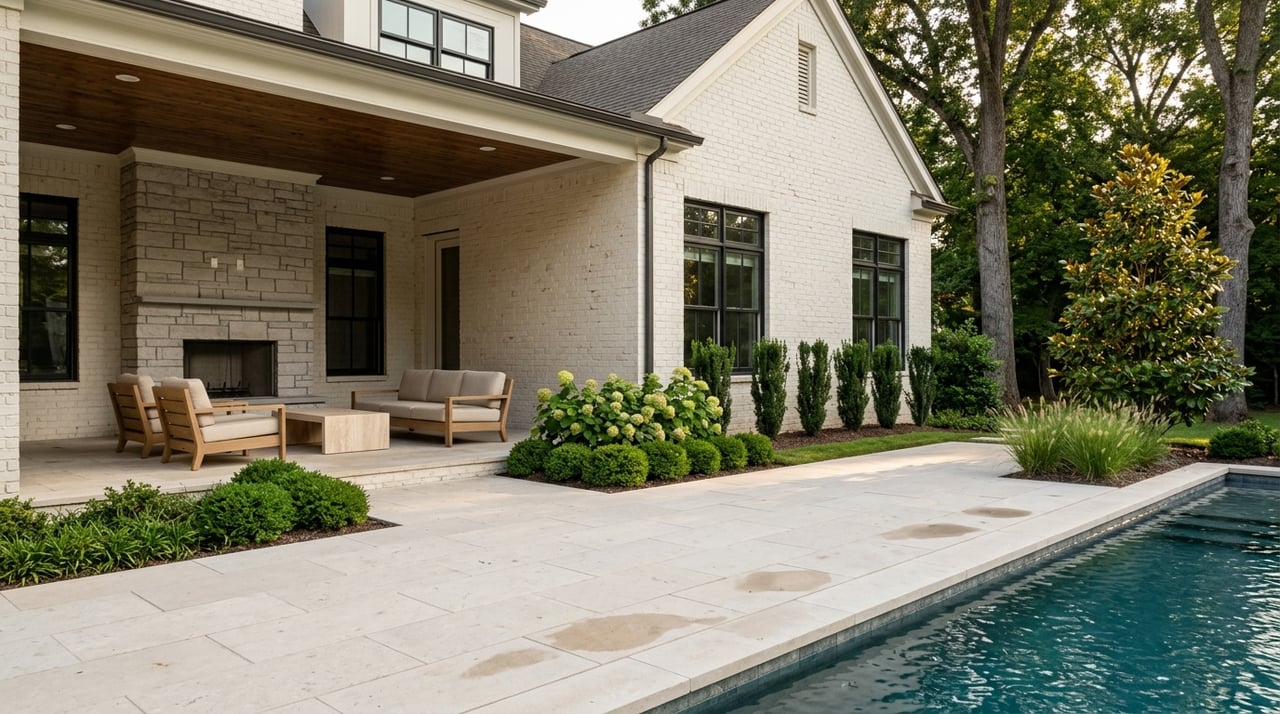
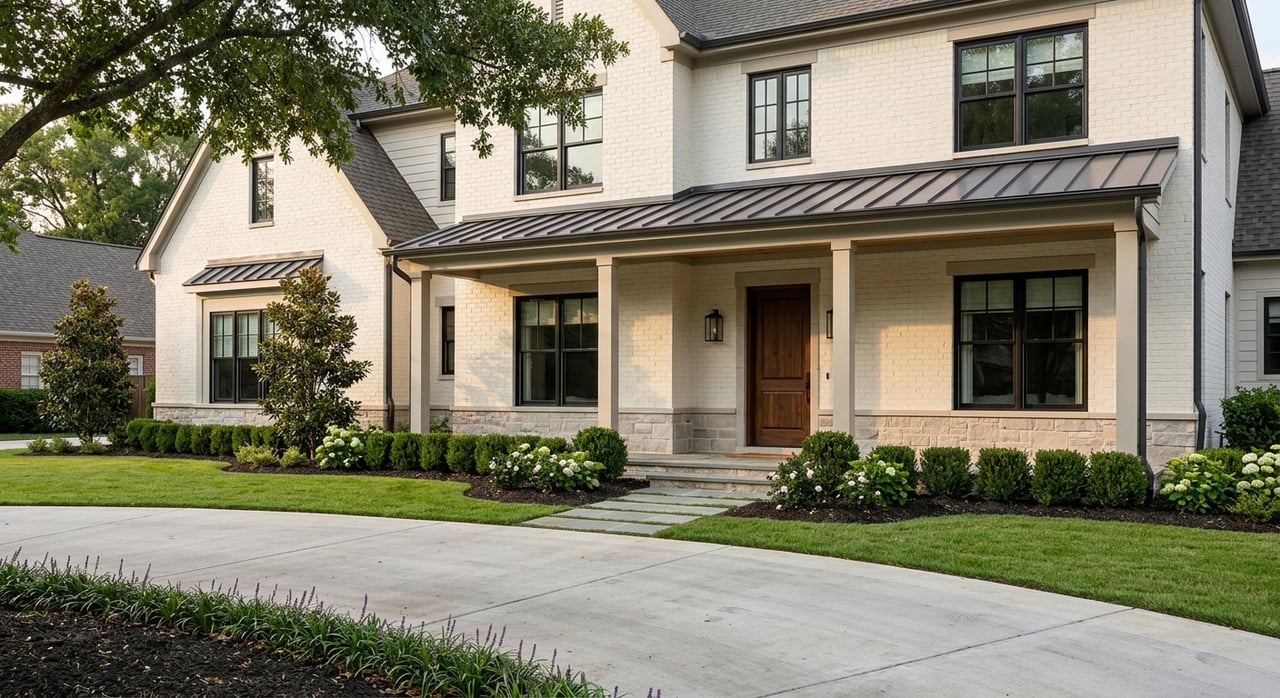
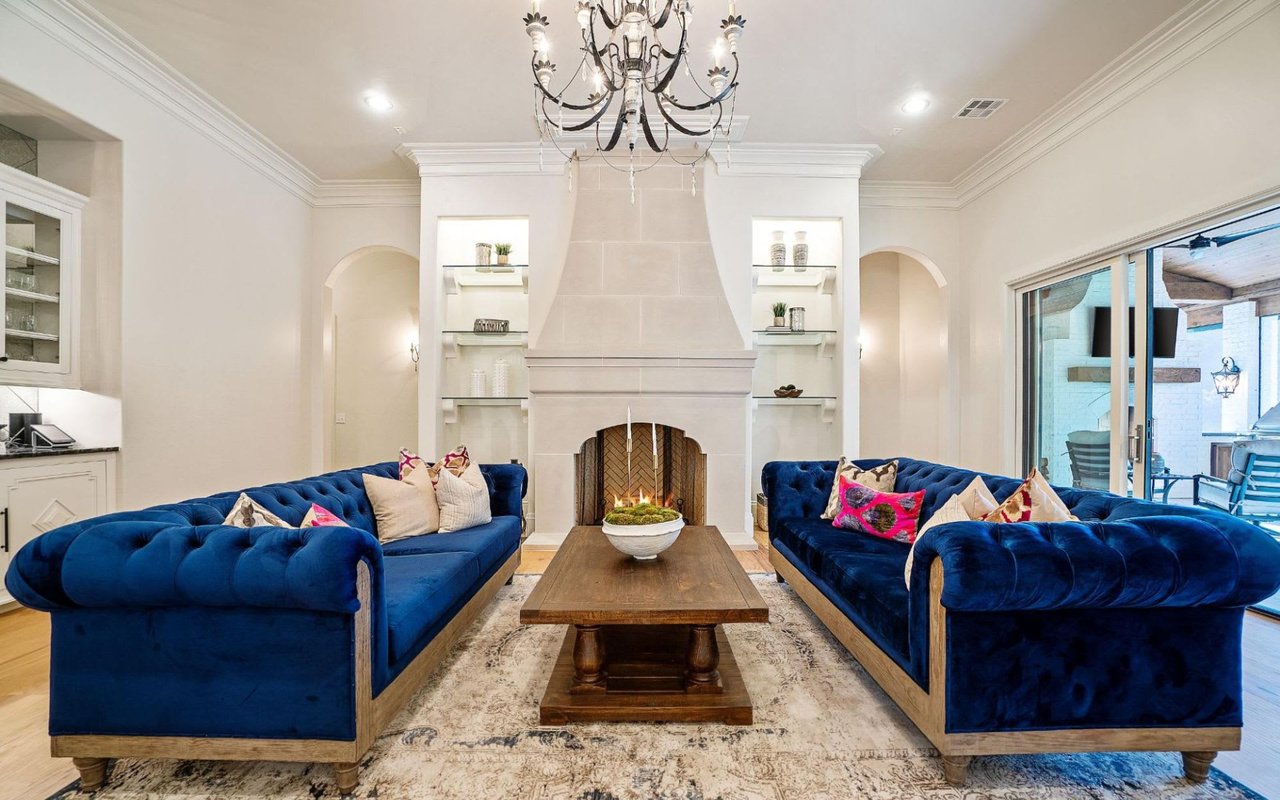
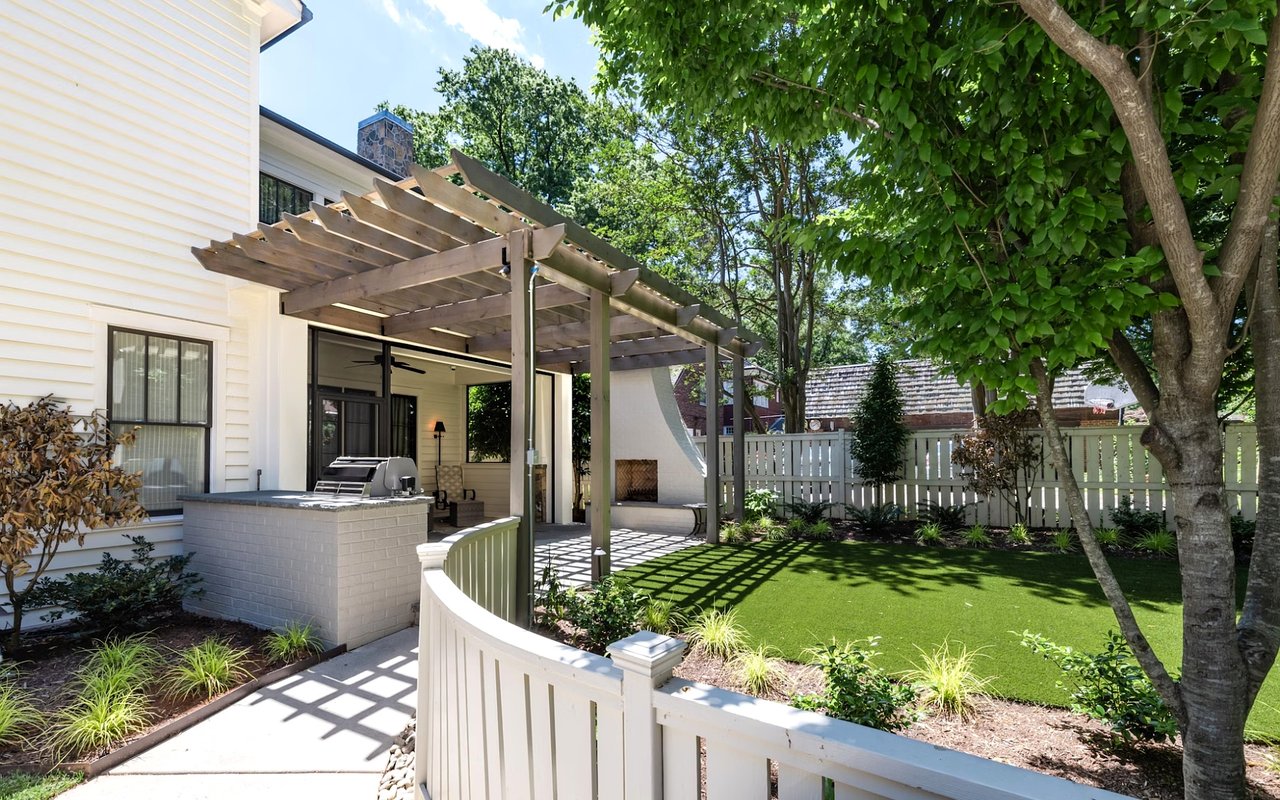
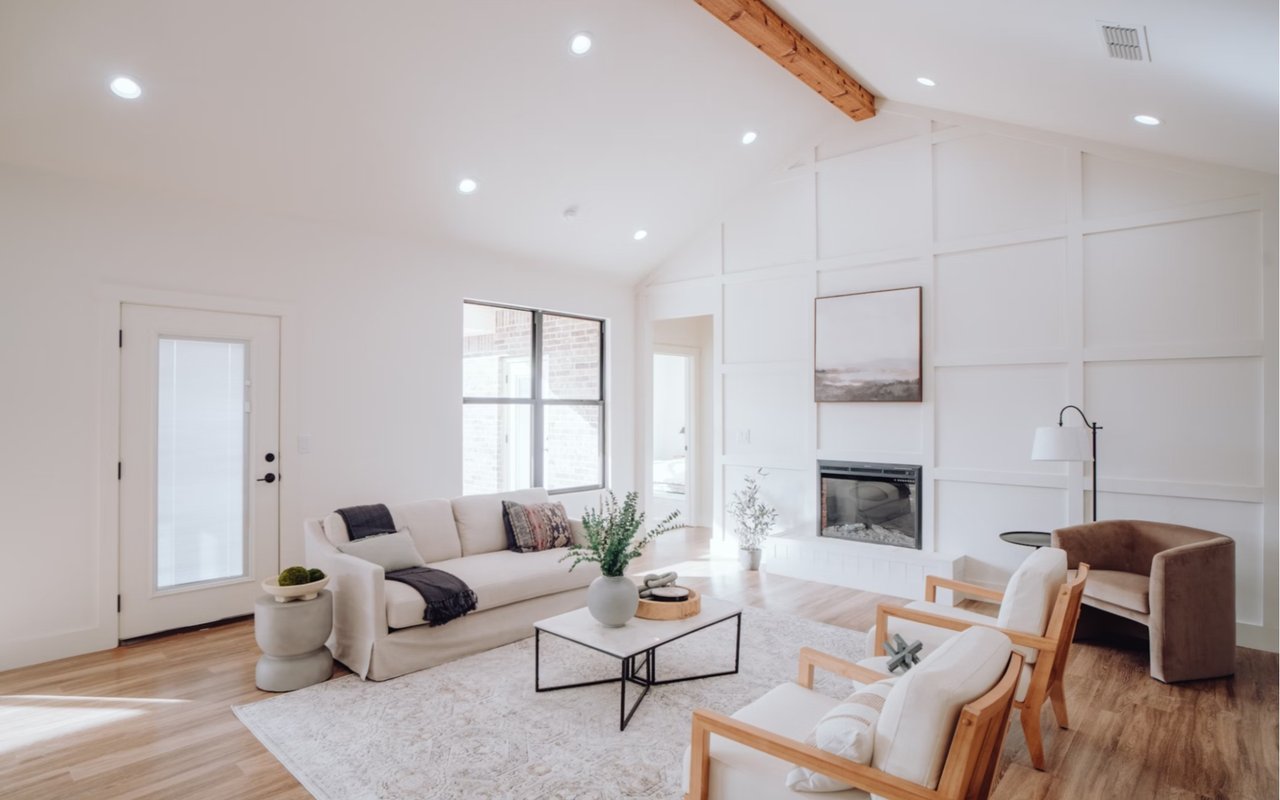
If you are considering a move to NoDa, it helps to know that the housing stock is not one-note. The area includes renovated historic homes, apartments, townhomes, and mixed-use residential buildings, especially near the transit corridor.
That mix gives buyers different ways to enter the neighborhood depending on lifestyle and goals. Some people are drawn to the older homes and historic feel, while others prefer lower-maintenance options closer to shops, dining, and the Blue Line.
Arts Shape Daily Life
NoDa’s identity as an arts district is not just branding. It is part of the neighborhood’s everyday rhythm, with public art, live music, galleries, and community events all helping shape the experience of living there.
One of the clearest examples is the NoDa Bizarre, a biannual arts market hosted by the NoDa Neighborhood and Business Association. It brings together more than 75 local artisans, live music, food trucks, live art demonstrations, and community activities, reflecting the neighborhood’s long-running connection to public arts programming.
Creative Landmarks Still Matter
NoDa’s arts culture also shows up through long-standing local anchors. The neighborhood history highlighted by the NoDa Neighborhood and Business Association points to spaces and venues such as Charlotte Art League, Hart-Witzen Gallery, The Neighborhood Theatre, and The Evening Muse.
That matters if you are thinking beyond square footage alone. In NoDa, the creative environment is part of what shapes weekends, evenings, and even simple walks through the neighborhood.
Public Art Has Community Support
NoDa’s visible arts scene is supported by community involvement, not just private business activity. According to the NoDaRioty committee FAQ, event proceeds help fund mural restoration and other arts-focused community programs.
For residents, that helps explain why the neighborhood continues to feel visually active and locally rooted. The arts presence is not frozen in the past. It is still being maintained and reinvested in.
Dining Is Part of the Lifestyle
In NoDa, food and drink are closely tied to the neighborhood’s identity. NoDa News describes the district as Charlotte’s Arts & Entertainment District, with a focus on local arts and music, innovative cuisine and mixology, and neighborhood interests.
That description fits the way many people experience the area. Dining out often feels less like a separate event and more like part of the normal flow of living nearby.
Local Businesses Create Connection
The current business roster offers a useful snapshot of that local ecosystem. Businesses such as McHale’s Pub and Artisan’s Palate, along with familiar gathering spots like Smelly Cat Coffee, show how cafés, restaurants, pubs, and community activity all overlap.
For you as a buyer, that can translate into a more connected routine. A coffee stop, dinner plan, or casual meetup may be just part of the neighborhood pattern rather than something that requires a longer drive across Charlotte.
Everyday Convenience Is a Real Strength
One of NoDa’s biggest lifestyle advantages is mobility. The 36th Street Station on the LYNX Blue Line is ADA accessible, includes bike racks and public art, and connects to CATS bus routes 3 and 23.
For many residents, that means you are not relying on one mode of transportation for everything. You can combine walking, biking, rail, bus access, and driving based on what the day looks like.
Walkability and Bike Access Have Improved
The City of Charlotte’s Northeast Corridor Infrastructure Program was created to improve pedestrian, bicycle, and motor vehicle access to the Blue Line while connecting NoDa to the Cross Charlotte Trail and Mecklenburg greenway system. That broader investment supports the kind of day-to-day ease many buyers are looking for.
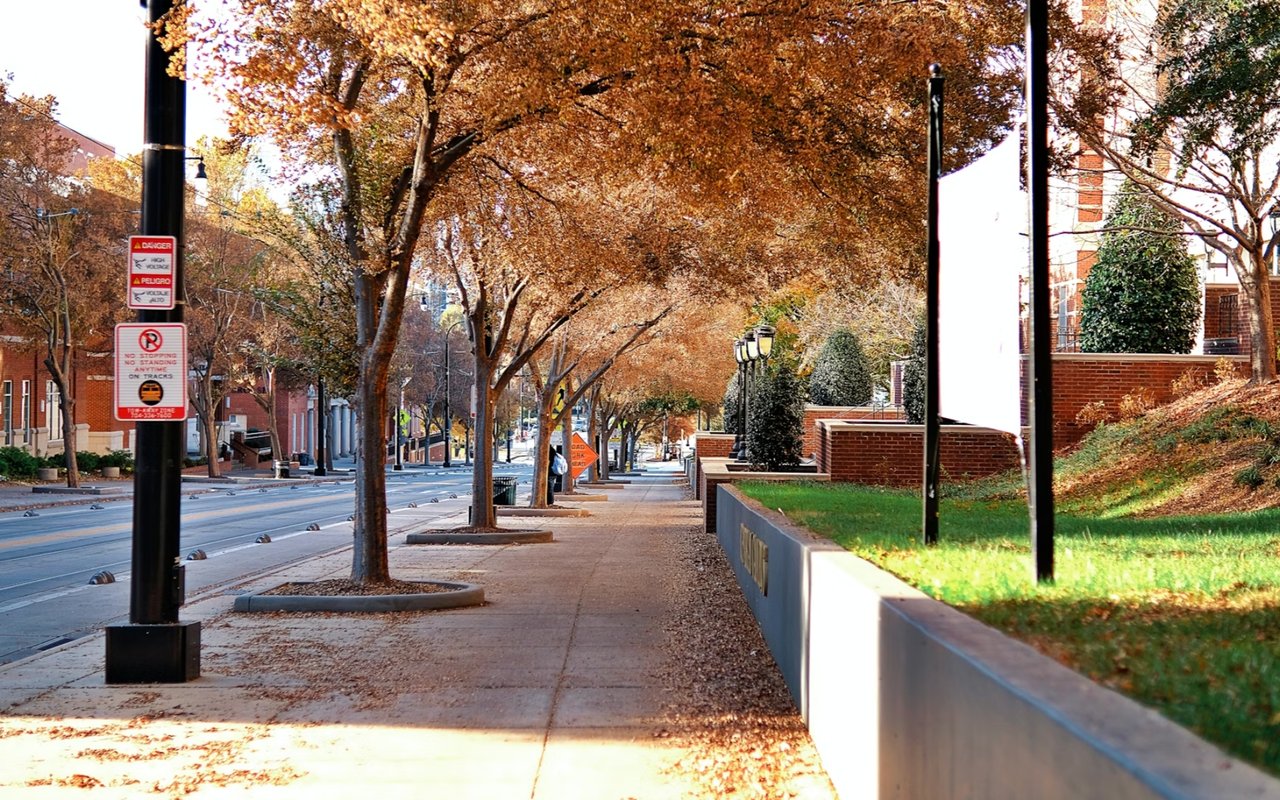
The Parkwood Avenue Streetscape is a strong example of that work on the ground. The city says the project converted the road to a calmer two-lane street, added buffered bike lanes, widened sidewalks, installed pedestrian signals, and created an uninterrupted 2.5-mile corridor linking neighborhoods, transit, and trails.
Trail Access Adds Flexibility
NoDa’s convenience is not limited to streets and transit stops. The Cordelia Park segment of the Cross Charlotte Trail extends Little Sugar Creek Greenway under Parkwood Avenue and through Cordelia Park to Davidson Street, with a connection to 24th Street.
That kind of trail connection can make everyday movement feel easier and more enjoyable. Whether you are heading out for exercise, a bike ride, or a short trip through nearby areas, the access adds another layer of practicality.
Parking Is Still Part of the Picture
Even in a more connected neighborhood, many residents still drive. In NoDa, the City of Charlotte manages on-street parking through Park It, which is helpful to know if you want a neighborhood where car access still fits into daily life.
The key difference is that parking does not have to define the whole experience. In NoDa, it can be one tool among several, rather than the center of how you get around.
What Daily Life in NoDa Can Feel Like
If you picture a typical day in NoDa, the pattern is fairly easy to understand. You might start with coffee close to home, walk or bike to a nearby destination, meet friends for dinner or live music, and use the Blue Line for a longer trip.
That mix is what sets NoDa apart. Its arts programming, local dining, transit access, and varied housing all reinforce one another, creating a compact neighborhood experience that feels both interesting and practical.
Why Buyers Look Closely at NoDa
For buyers relocating to Charlotte or moving within the city, NoDa often stands out because it offers more than one benefit at once. You are not choosing only historic character, only dining, or only transit. You are looking at a neighborhood where those features are closely connected.
That can make NoDa especially appealing if you want a lifestyle-driven move. The neighborhood offers a strong sense of place, while still supporting everyday routines in a way that feels unusually convenient by Charlotte standards.
How to Evaluate NoDa as a Homebuyer
If NoDa is on your shortlist, it helps to look at the neighborhood through both a lifestyle lens and a property lens. The housing mix, block-by-block feel, and proximity to transit or commercial areas can shape your experience more than a broad label alone.
As you compare options, consider:
- Whether you prefer a historic home, townhome, apartment-style living, or mixed-use setting
- How close you want to be to the Blue Line and main activity corridors
- Whether walkability, bike access, or trail connections are priorities for your routine
- How important dining, live music, and arts programming are to your ideal week
- What kind of balance you want between neighborhood energy and residential feel
A thoughtful neighborhood tour can make a big difference here. In a place like NoDa, the details of the immediate surroundings often shape the decision as much as the home itself.
If you are exploring Charlotte neighborhoods and want guidance tailored to your goals, Your Property People, Inc. can help you evaluate the lifestyle, housing options, and market fit with a strategic local perspective.
FAQs
What is NoDa known for in Charlotte?
- NoDa is known as Charlotte’s arts district, with a history shaped by preserved mill buildings, public art, local music venues, galleries, and a strong community of local businesses.
What types of homes can you find in NoDa?
- NoDa offers a mix of renovated historic homes, apartments, townhomes, and mixed-use residential buildings, especially near the neighborhood’s transit corridor.
How convenient is transit in NoDa?
- NoDa has strong transit access through the 36th Street Station on the LYNX Blue Line, which is ADA accessible and connects to CATS bus routes 3 and 23.
Is NoDa walkable for daily life?
- NoDa supports walkable daily routines with widened sidewalks, buffered bike lanes, pedestrian improvements, and connections to trails and transit.
Does NoDa have local dining and coffee spots?
- Yes. The neighborhood’s business community includes local cafés, restaurants, and pubs that contribute to NoDa’s everyday social and dining scene.
What makes living in NoDa different from other Charlotte neighborhoods?
- NoDa stands out for its blend of historic character, arts programming, local dining, mixed-use development, and practical mobility, all working together in one compact area.