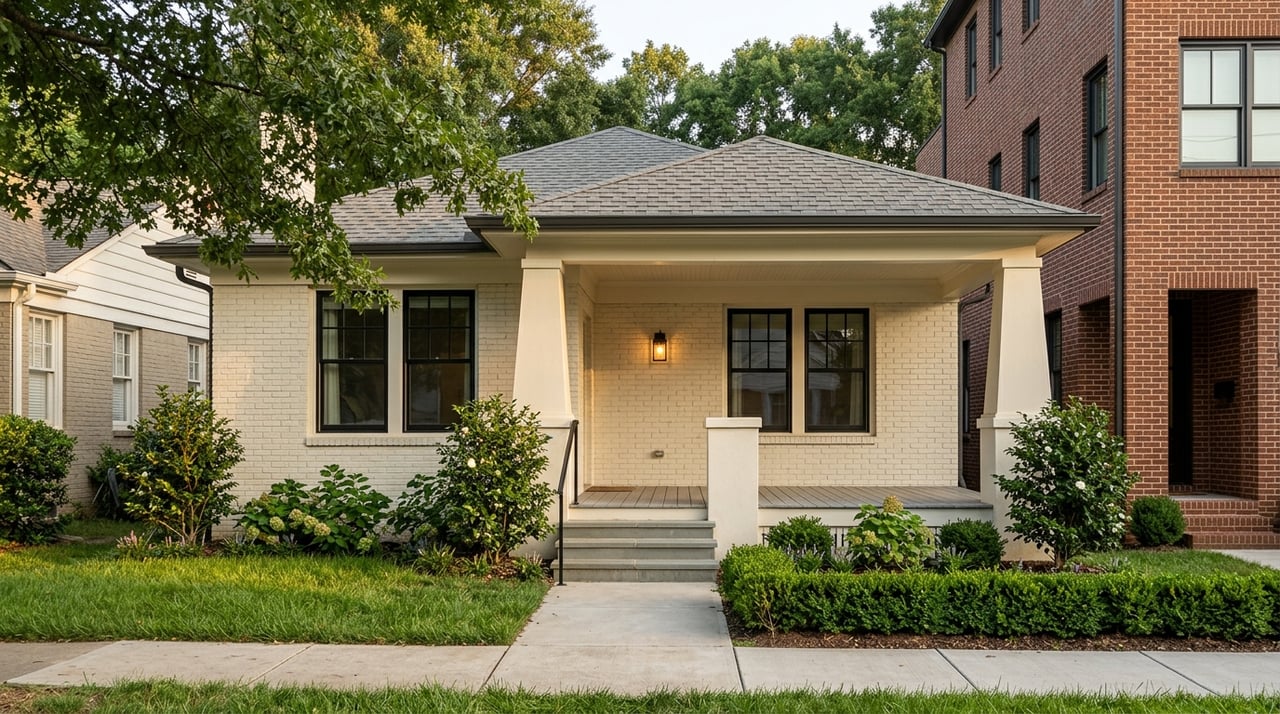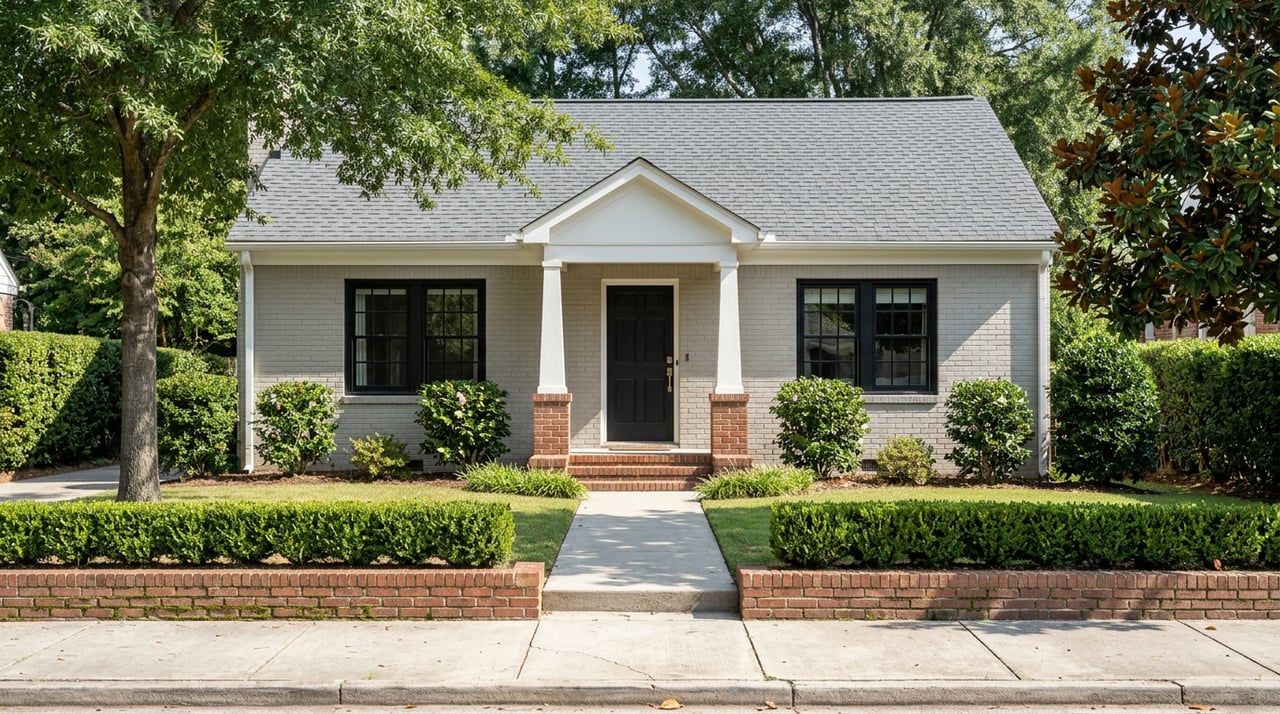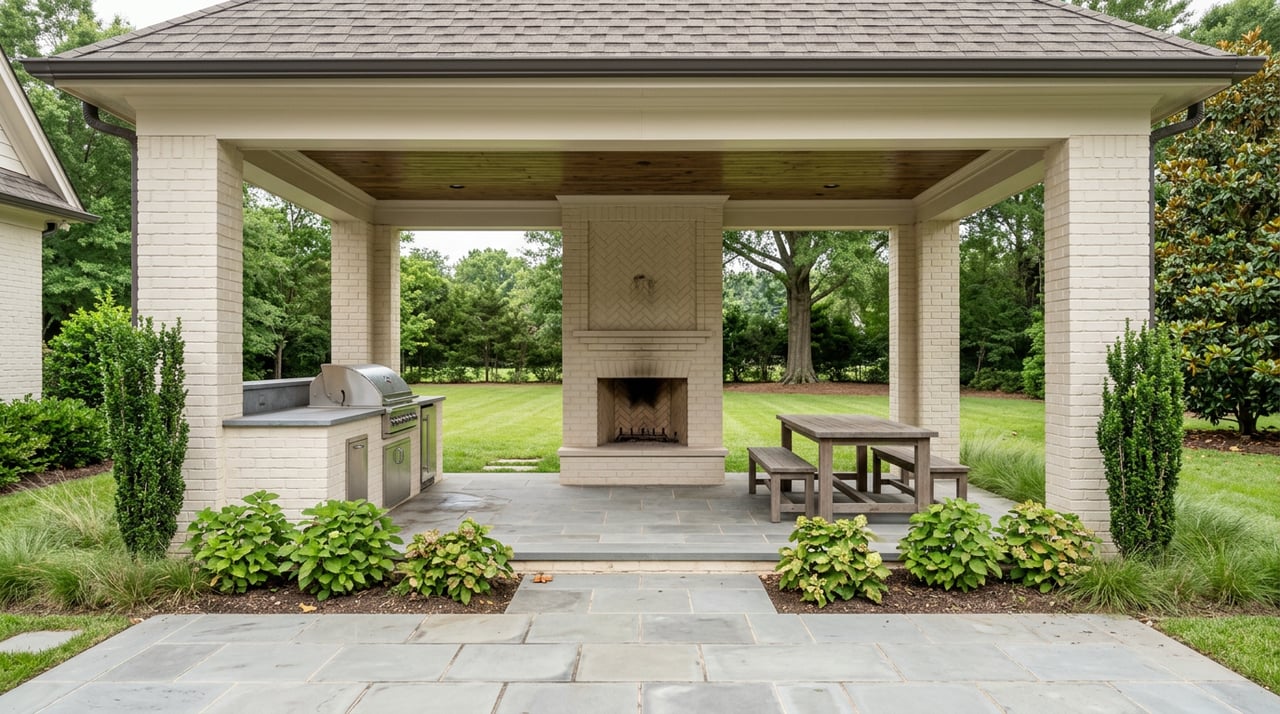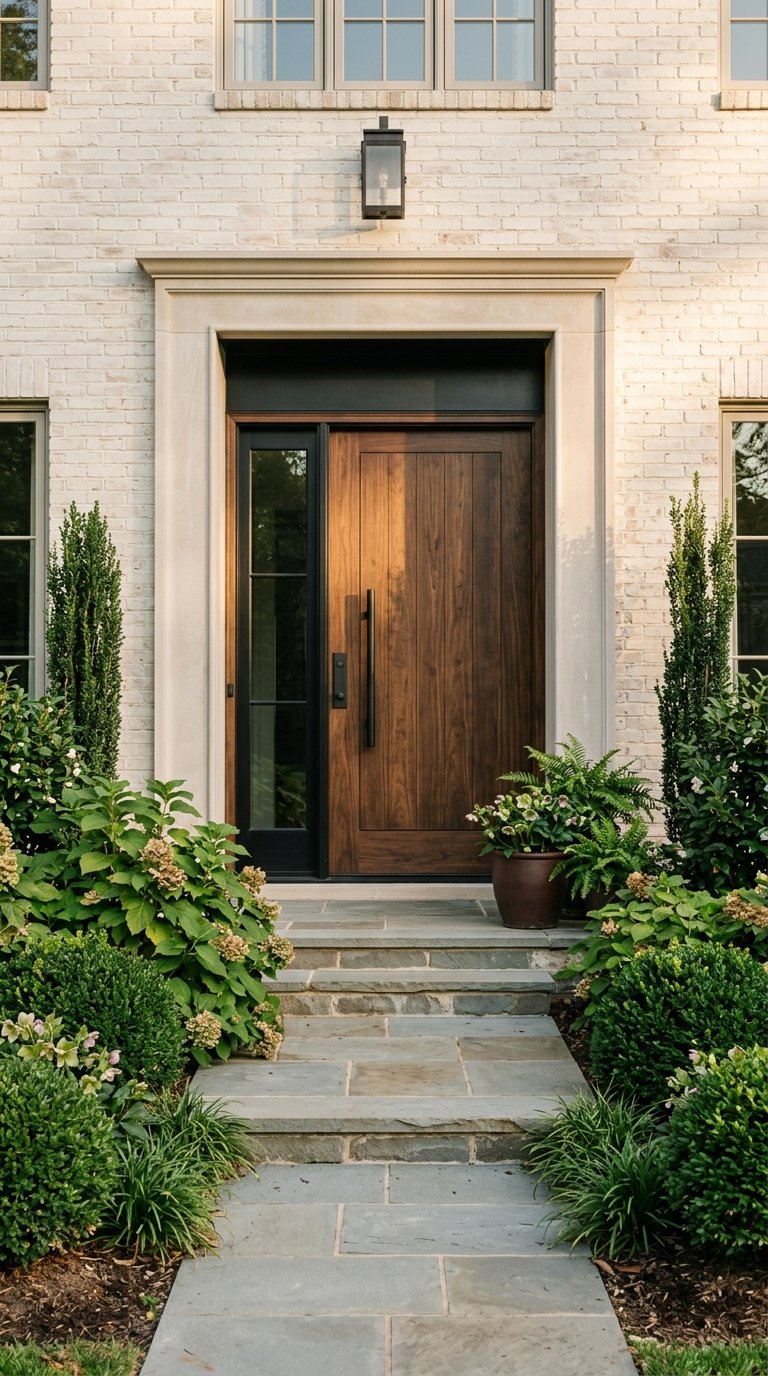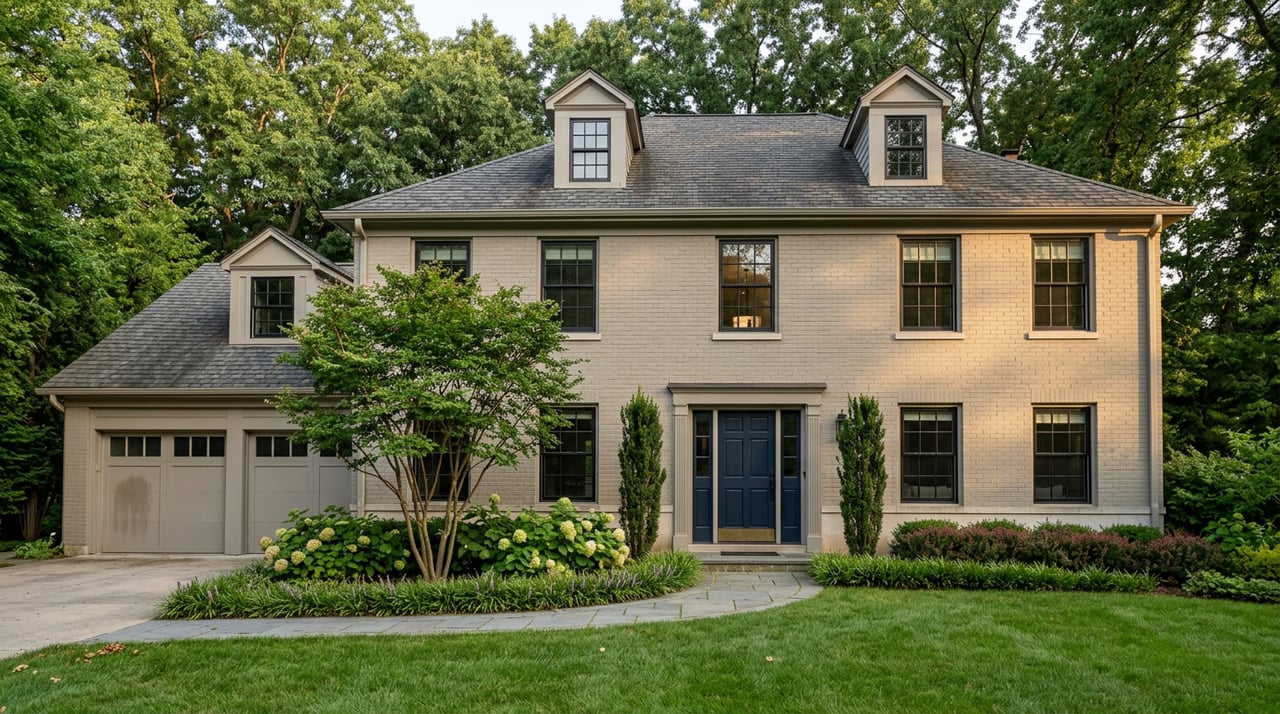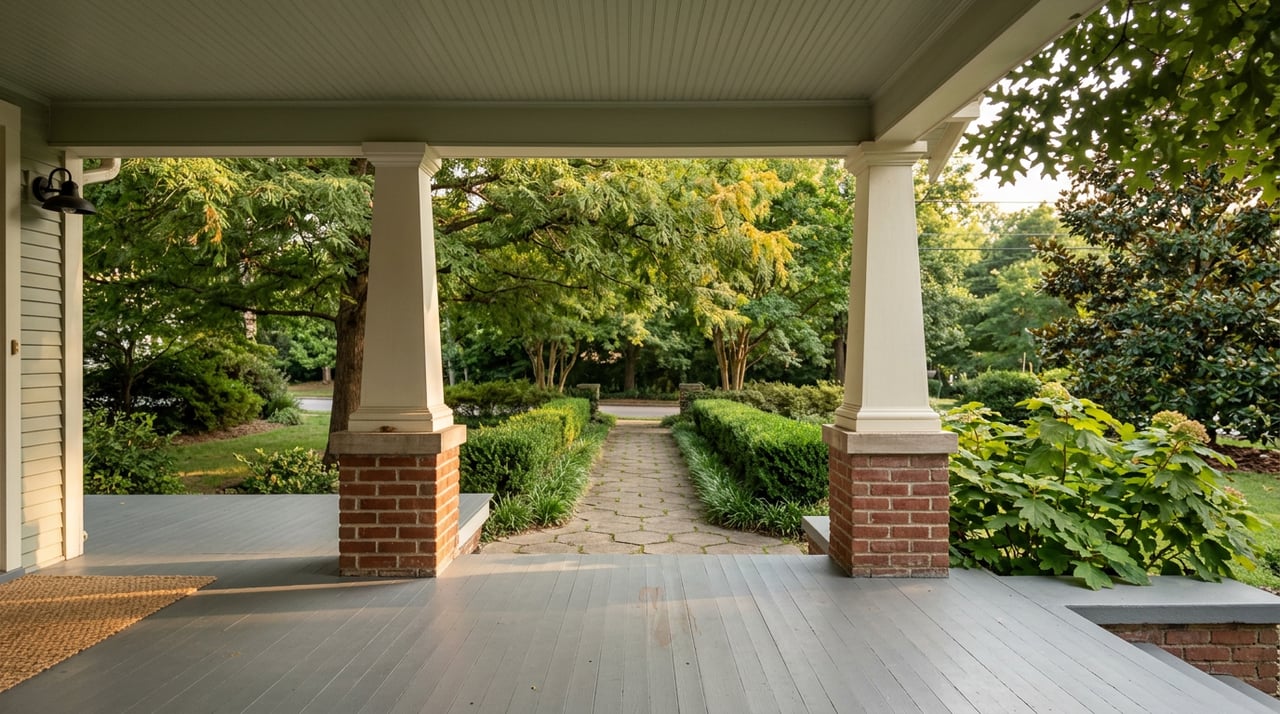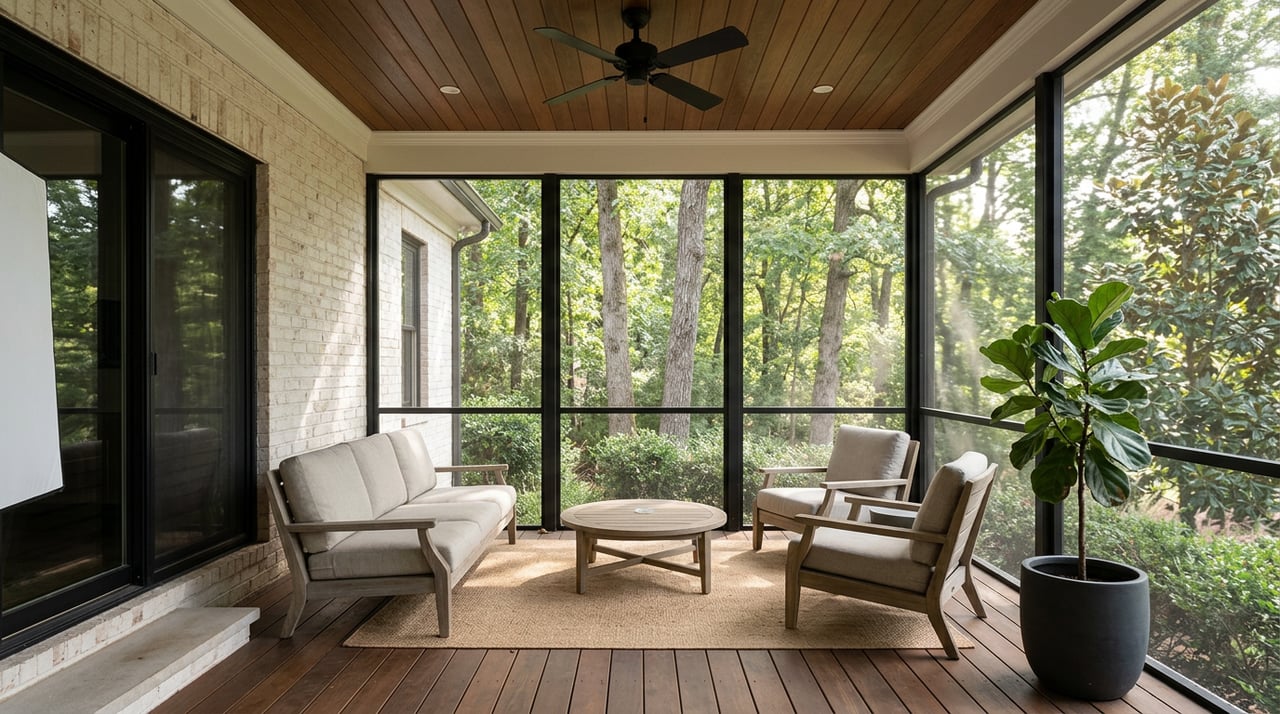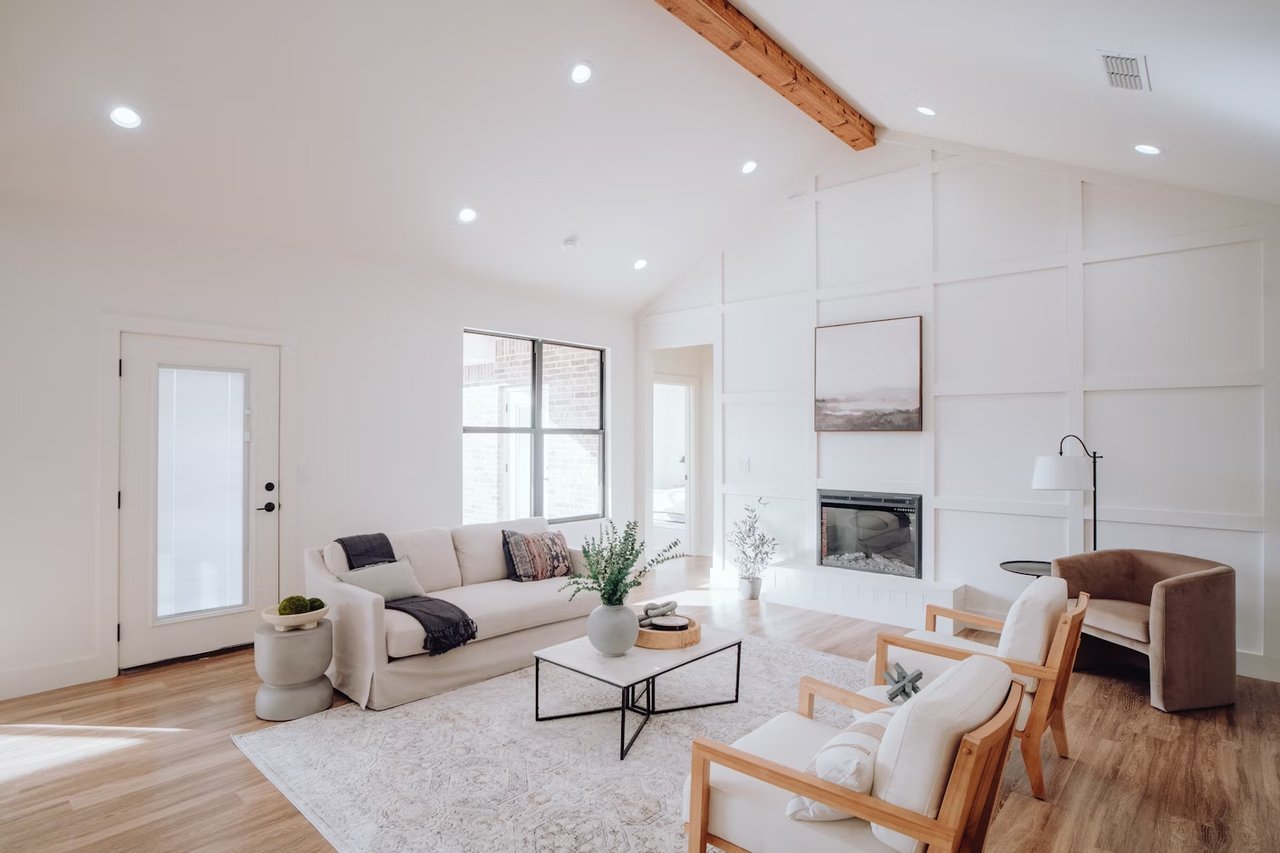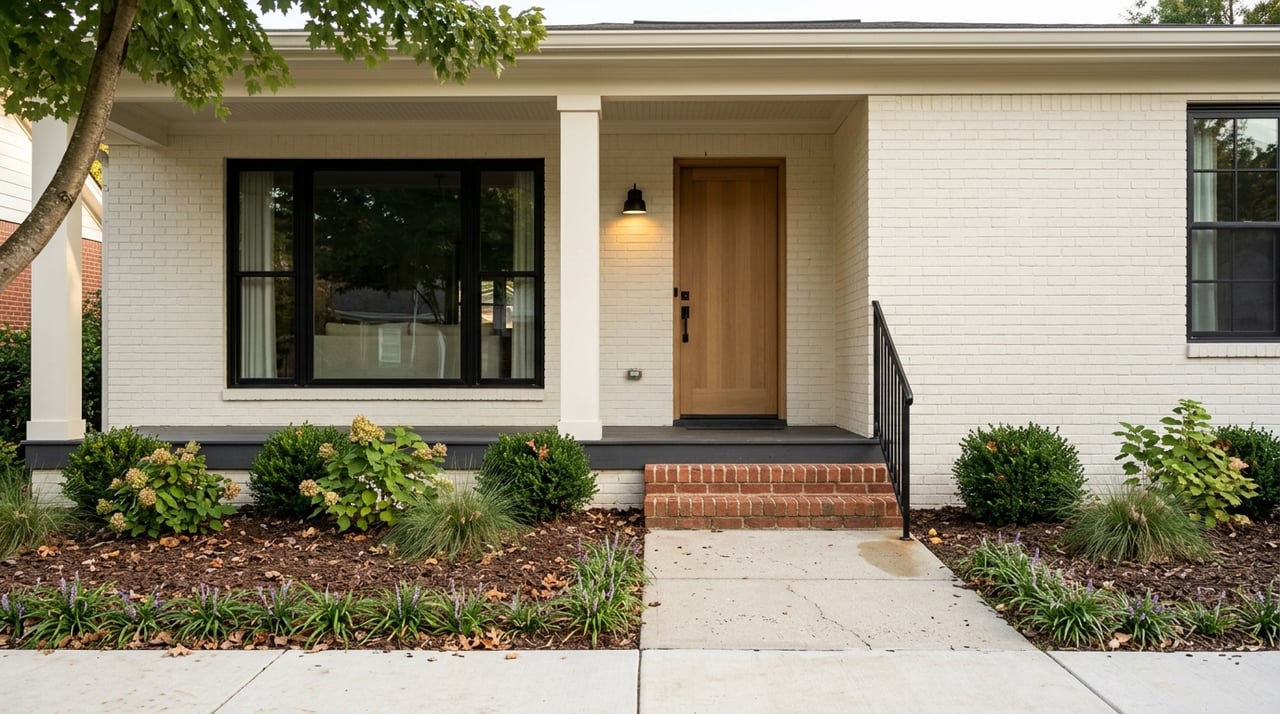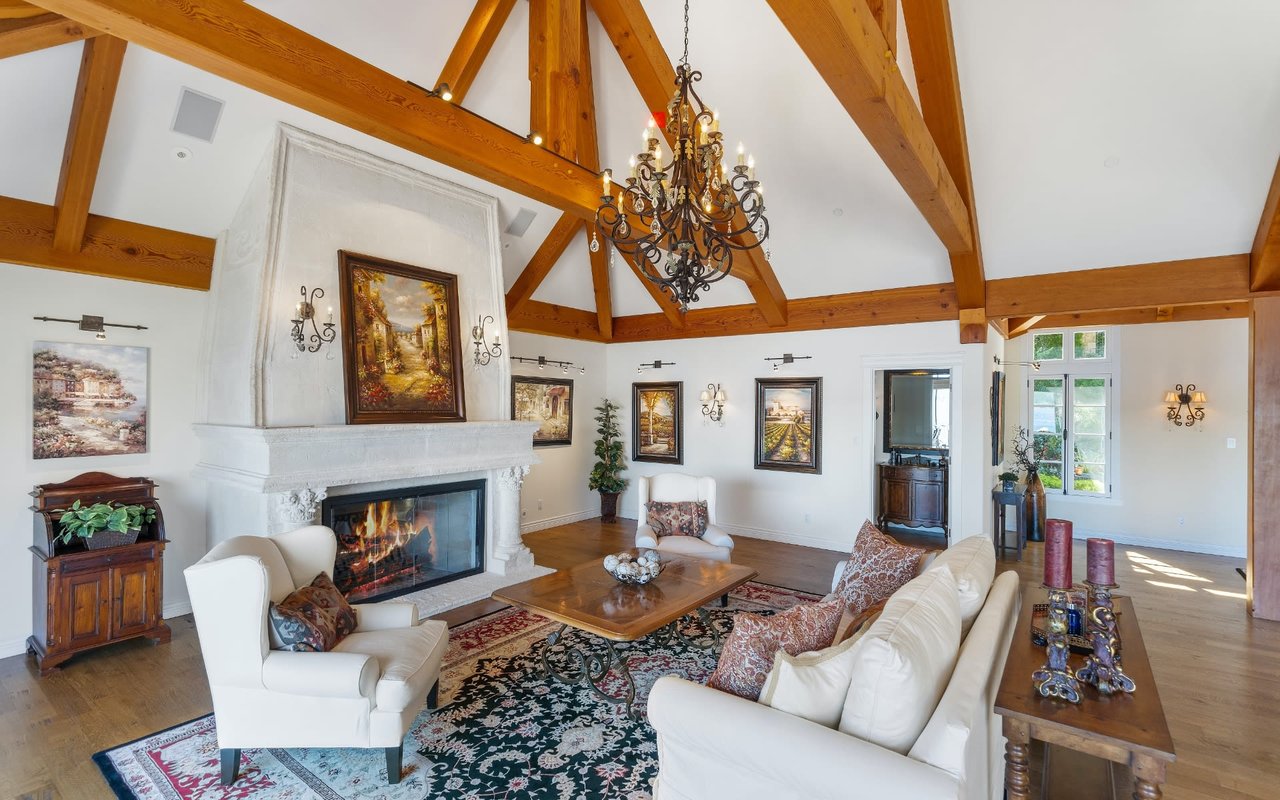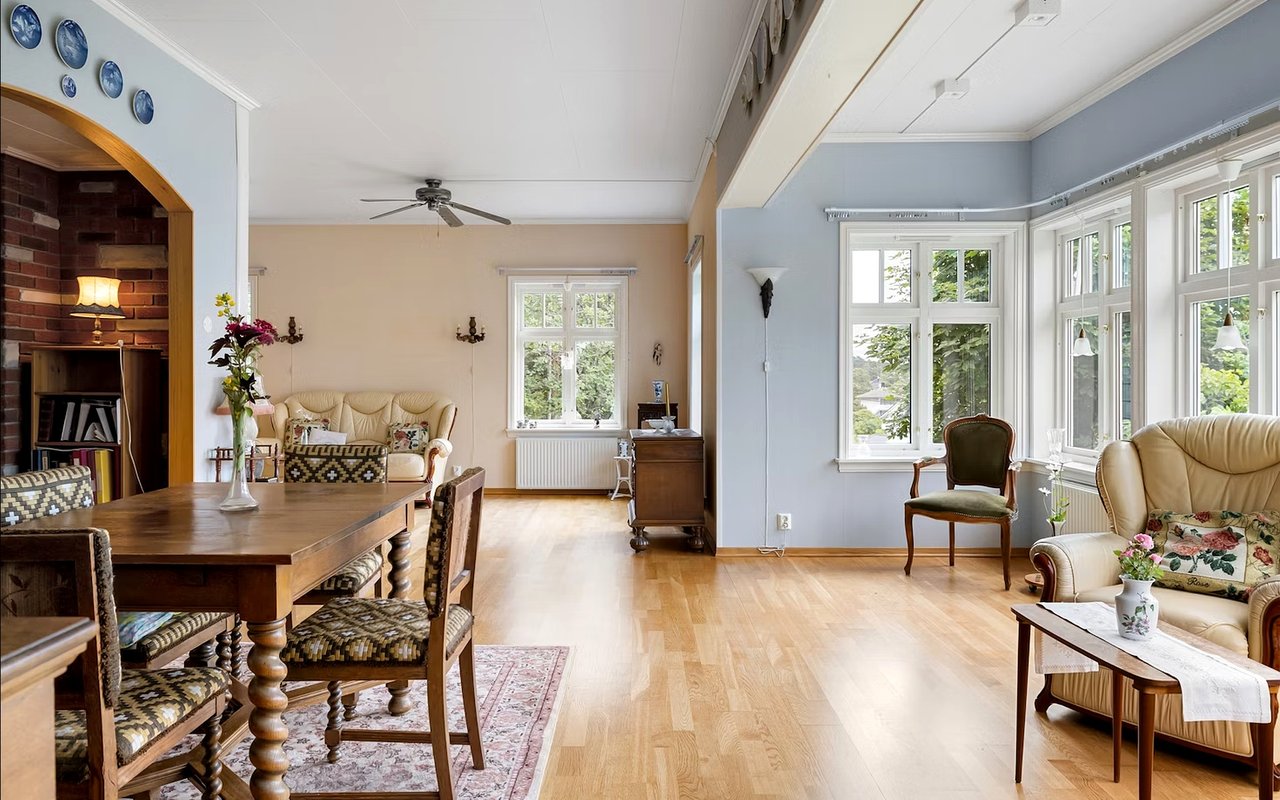
Stepping through the front door of a historic home in Charlotte is like entering another era — one shaped by artistry, thoughtful details, and the passage of time. If you’ve dreamed of owning a home with genuine character, original features, and a story to tell, you already know how magnetic these properties can be.
Even so, buying a historic home isn’t just about falling for a pretty facade or cozy woodwork. It’s about making a well-informed decision so that your investment rewards you with years of pride and comfort. This guide will walk you through every crucial detail.
Examining the Bones: Structure and Integrity
When you start your real estate search in Charlotte, it’s easy to be swept away by crown moldings, grand staircases, and old-growth hardwood floors. However, there’s no substitute for solid bones in a historic house. These properties have stood for generations, but their longevity depends on regular, thoughtful care. As you tour potential properties, look beyond decorative touches and focus on the essentials like the foundation, framing, and roofing.
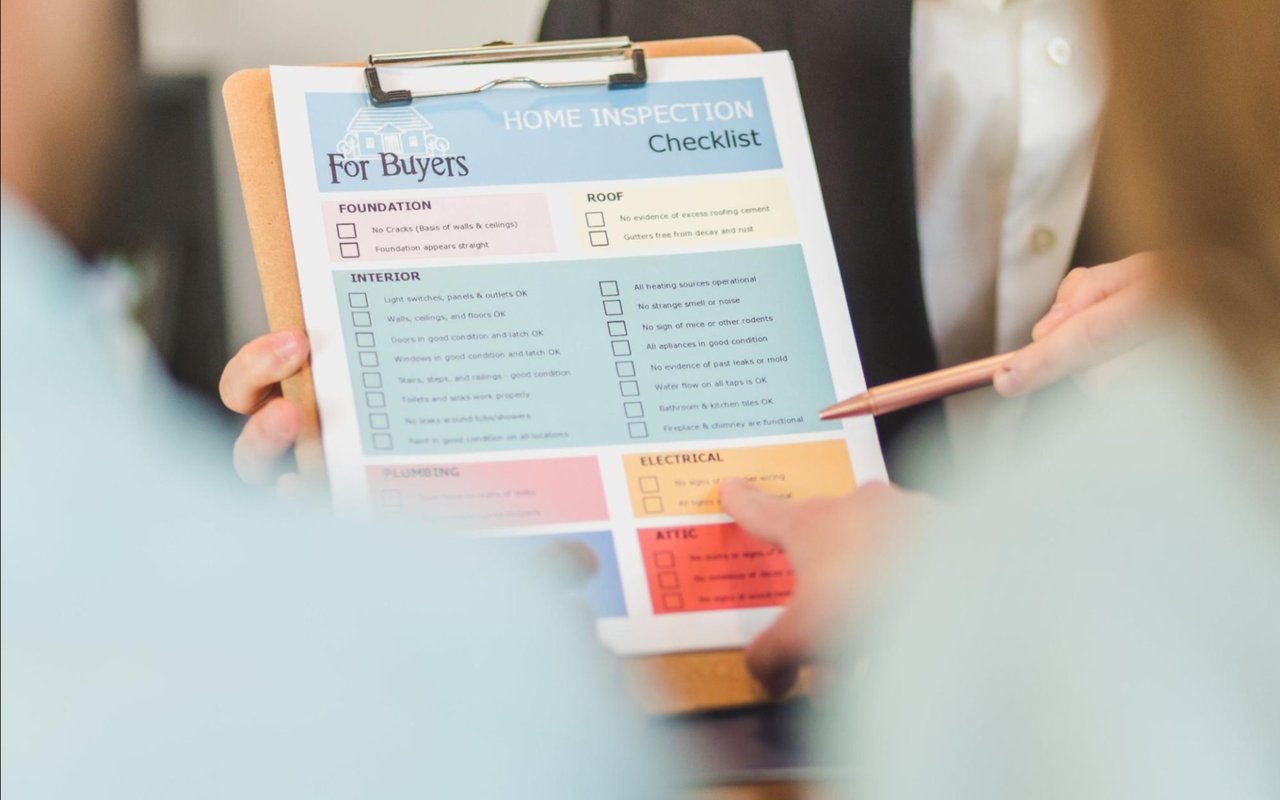
After your offer is accepted, bring in a trusted home inspector who specializes in older homes. They know where to spot the hairline cracks, look for signs of sagging or settling, and test the resilience of century-old beams.
Pay close attention to the roof and its materials. A slate roof might last decades longer than asphalt, but if neglected, it could turn into a significant repair. Inspect the gutters and downspouts as well. Water intrusion is the silent enemy of old homes, often leading to rot, mold, or hidden structural damage that can cost thousands to repair. Inside, examine load-bearing walls, original flooring, and any visible joists or supports. Warping, water stains, or crumbling mortar may mean it’s time for extensive work.
Don’t be discouraged if you uncover such issues; instead, use them as leverage in negotiations or as a guide for planning your restoration budget. With the proper knowledge, you can turn these challenges into opportunities for restoration and improvement.
After your offer is accepted, bring in a trusted home inspector who specializes in older homes. They know where to spot the hairline cracks, look for signs of sagging or settling, and test the resilience of century-old beams.
Pay close attention to the roof and its materials. A slate roof might last decades longer than asphalt, but if neglected, it could turn into a significant repair. Inspect the gutters and downspouts as well. Water intrusion is the silent enemy of old homes, often leading to rot, mold, or hidden structural damage that can cost thousands to repair. Inside, examine load-bearing walls, original flooring, and any visible joists or supports. Warping, water stains, or crumbling mortar may mean it’s time for extensive work.
Don’t be discouraged if you uncover such issues; instead, use them as leverage in negotiations or as a guide for planning your restoration budget. With the proper knowledge, you can turn these challenges into opportunities for restoration and improvement.
Digging into the Home’s Renovation History
Every historic home is a patchwork of updates, repairs, and creative changes. Some of these will be clear as you tour the space — like a newly renovated kitchen or recently replaced windows — while others are hidden beneath layers of paint and wallpaper. The key is to uncover what’s been completed, how well it was executed, and what remains on your future project list.
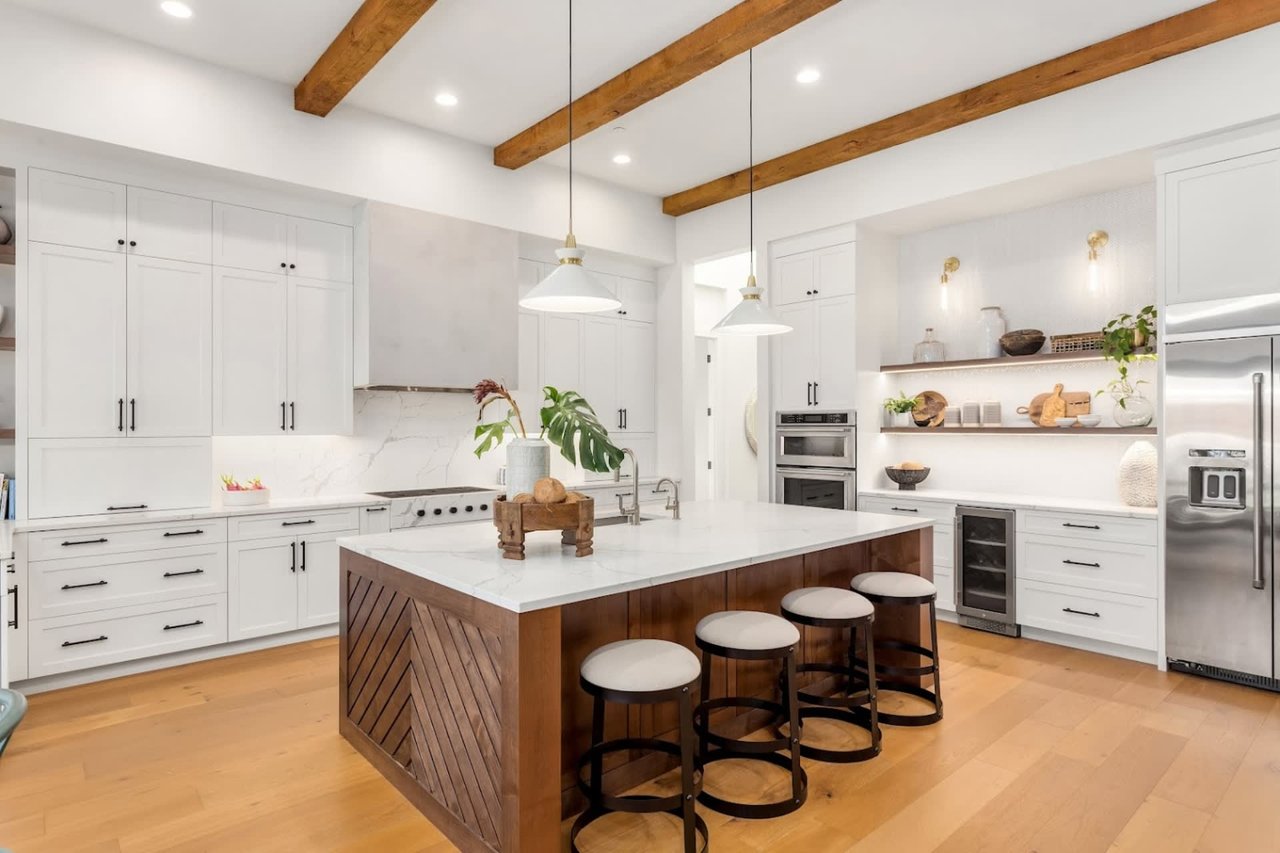
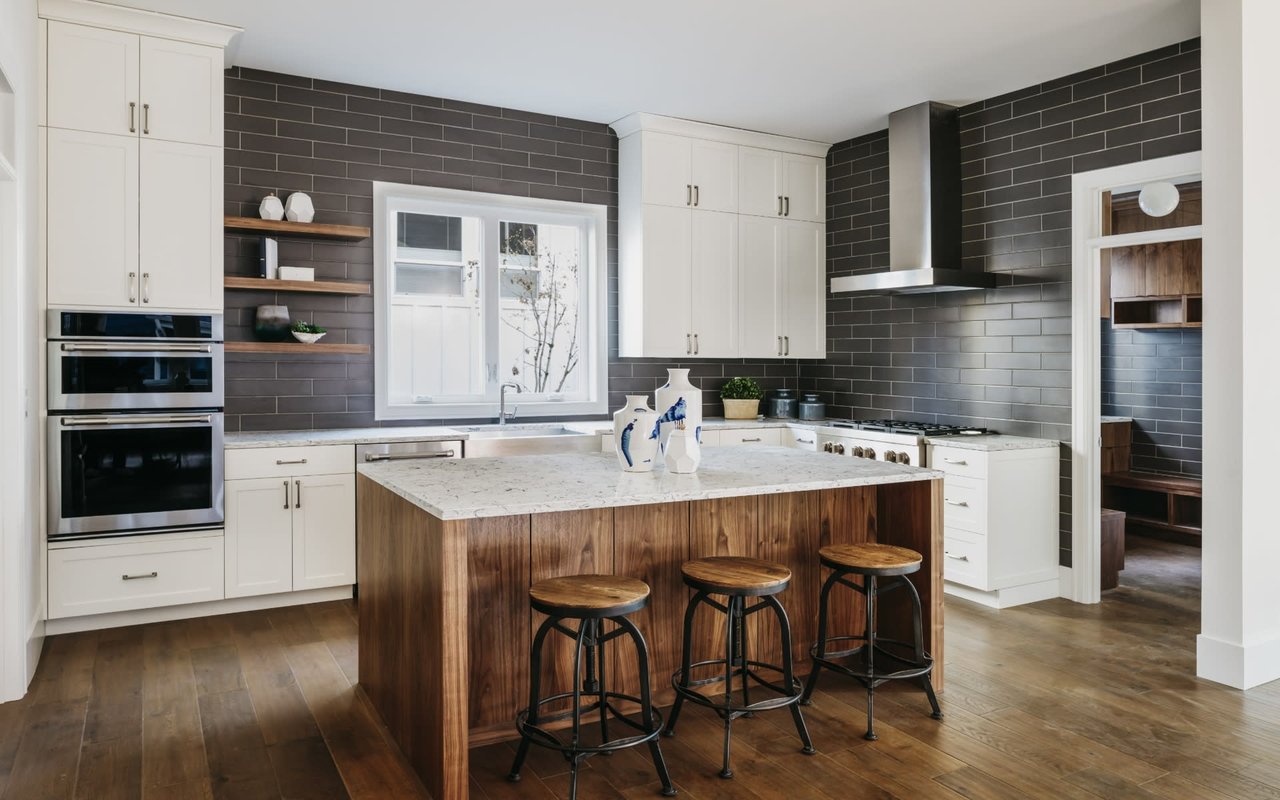
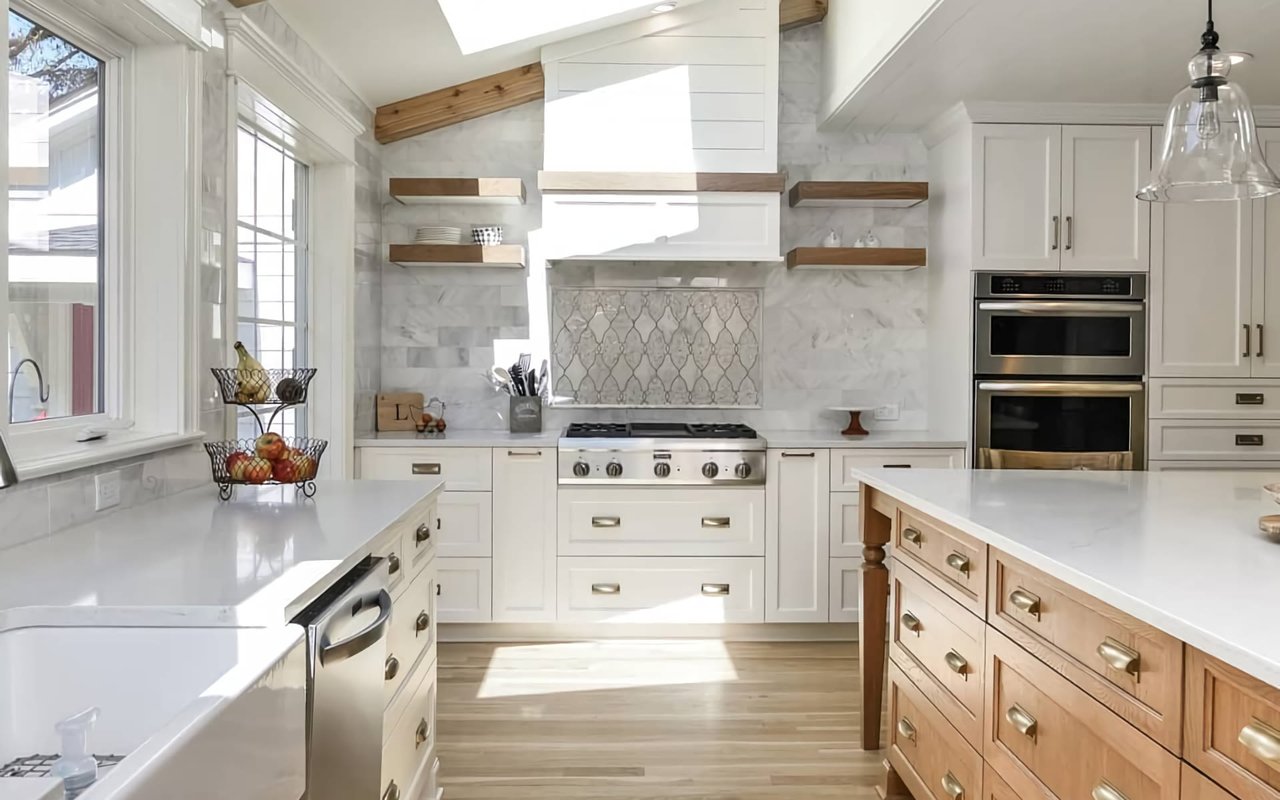
Ask for any available records, such as building permits, contractor receipts, or before-and-after photos. These can reveal whether updates were made with attention to detail or if corners were cut. For example, a kitchen renovation that preserves the original cabinetry is a sign of respect for the home’s history, while a poorly integrated addition may create more headaches than value.
As you walk through the space, pay attention to transitions between old and new. Do the hardwood floors flow seamlessly between rooms, or do you spot patched sections? Are the original doors and hardware still present, or have they been swapped out for modern replacements? Even the most minor changes can affect both the home’s value and your enjoyment of the space. By understanding the renovation history, you gain insight into the home’s evolution and any future needs.
Ask for any available records, such as building permits, contractor receipts, or before-and-after photos. These can reveal whether updates were made with attention to detail or if corners were cut. For example, a kitchen renovation that preserves the original cabinetry is a sign of respect for the home’s history, while a poorly integrated addition may create more headaches than value.
As you walk through the space, pay attention to transitions between old and new. Do the hardwood floors flow seamlessly between rooms, or do you spot patched sections? Are the original doors and hardware still present, or have they been swapped out for modern replacements? Even the most minor changes can affect both the home’s value and your enjoyment of the space. By understanding the renovation history, you gain insight into the home’s evolution and any future needs.
Assessing Systems: Plumbing, Electrical, and HVAC
Underneath the vintage charm, a historic home’s systems are what keep it running smoothly. Outdated plumbing, old wiring, or an ancient furnace can quickly turn excitement into stress if you’re unprepared. Take the time to evaluate the current condition and capacity of all major mechanical components.
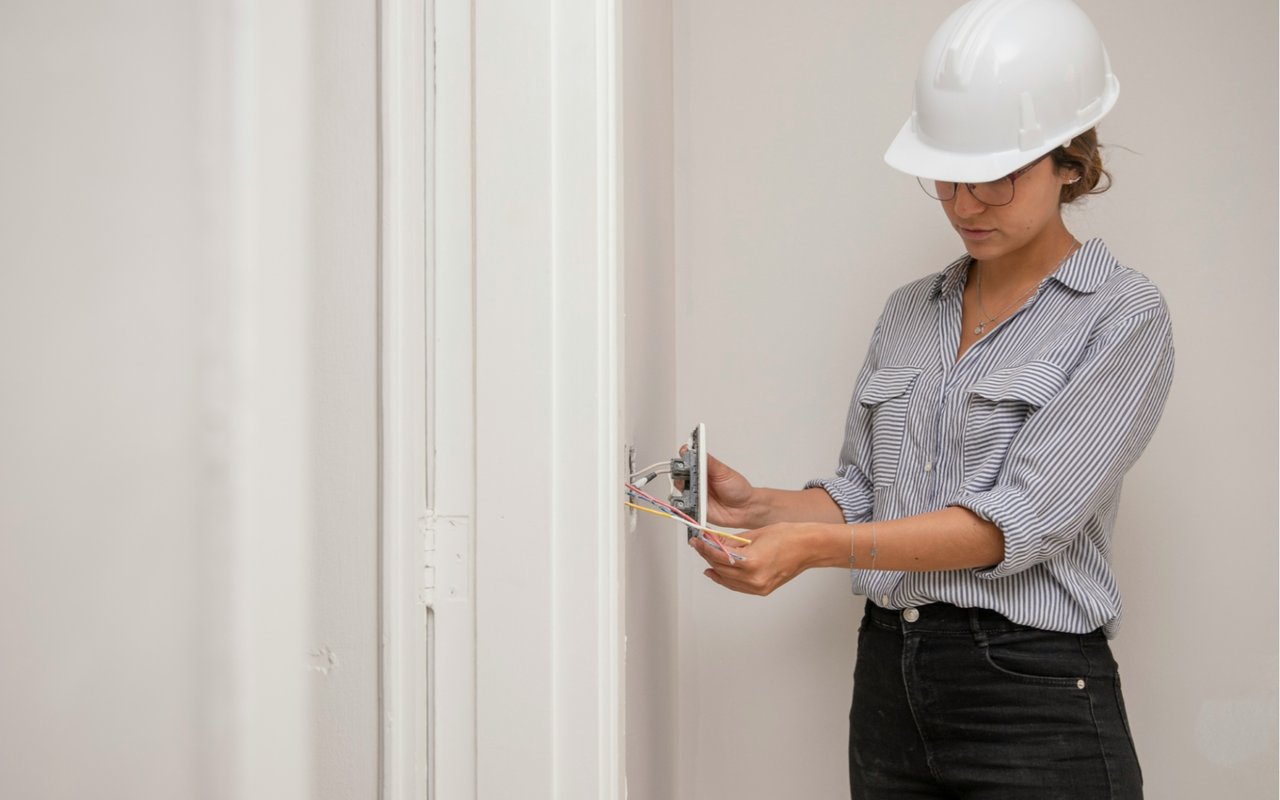
Older homes in Charlotte may still have original pipes or electrical systems in place, some of which may not meet modern safety or usage standards. For instance, knob-and-tube wiring and galvanized plumbing are common in historic properties, but both may need to be replaced for safety, efficiency, and peace of mind. Ask your inspector to look closely at the breaker panels, exposed wiring, and water pressure throughout the home.
Heating and cooling systems deserve special attention as well. Many older homes were designed for natural airflow before central air was commonplace. Retrofitting modern HVAC requires creativity — and sometimes a significant investment. Ask when the furnace or air conditioning was last updated, and check the efficiency ratings. If you’ll need a total system replacement, get estimates in advance. By addressing mechanical issues head-on, you’ll create a more comfortable and reliable living environment from day one.
Older homes in Charlotte may still have original pipes or electrical systems in place, some of which may not meet modern safety or usage standards. For instance, knob-and-tube wiring and galvanized plumbing are common in historic properties, but both may need to be replaced for safety, efficiency, and peace of mind. Ask your inspector to look closely at the breaker panels, exposed wiring, and water pressure throughout the home.
Heating and cooling systems deserve special attention as well. Many older homes were designed for natural airflow before central air was commonplace. Retrofitting modern HVAC requires creativity — and sometimes a significant investment. Ask when the furnace or air conditioning was last updated, and check the efficiency ratings. If you’ll need a total system replacement, get estimates in advance. By addressing mechanical issues head-on, you’ll create a more comfortable and reliable living environment from day one.
Energy Efficiency and Comfort
In historic homes, drafty rooms, single-pane windows, and thin insulation may be common. The good news? There are ways to make these properties more efficient without sacrificing their distinctive style.
Start by assessing the condition of windows and doors. While you might be tempted to simply replace everything with modern materials, restoration often provides a more impressive result. Reglazing, weatherstripping, and adding storm windows can dramatically reduce drafts while preserving unique design details.
Next, investigate the insulation in the attic, walls, and crawlspace. Properly installed insulation — using materials that won’t damage original wood or plaster — can stabilize indoor temperatures and lower utility bills.
If you’re unsure where to start, request an energy audit from a professional who is familiar with older homes. They can pinpoint the most cost-effective improvements while protecting original features. The end result is a house that feels as comfortable in winter as it does in summer, all while retaining its original soul.
Start by assessing the condition of windows and doors. While you might be tempted to simply replace everything with modern materials, restoration often provides a more impressive result. Reglazing, weatherstripping, and adding storm windows can dramatically reduce drafts while preserving unique design details.
Next, investigate the insulation in the attic, walls, and crawlspace. Properly installed insulation — using materials that won’t damage original wood or plaster — can stabilize indoor temperatures and lower utility bills.
If you’re unsure where to start, request an energy audit from a professional who is familiar with older homes. They can pinpoint the most cost-effective improvements while protecting original features. The end result is a house that feels as comfortable in winter as it does in summer, all while retaining its original soul.
Calculating Ongoing Maintenance and Repair Costs
Every historic home is a living structure, and its uniqueness is part of the appeal. However, proper maintenance is essential to preserve the home’s beauty and functionality.
Create a running list of projects based on your home inspection. Items like roof repairs, exterior paint, or repointing brickwork can add up quickly, especially when specialized skills or materials are required. Prioritize issues that affect the home’s structure and weatherproofing first. Routine tasks like gutter cleaning, foundation checks, and HVAC servicing should become second nature once you move in.
It’s wise to set aside a maintenance fund each year to cover the unexpected. Think of it as investing in the home’s story. When you care for it properly, the rewards are immense: preserved details, lasting value, and pride in maintaining a true original.
Create a running list of projects based on your home inspection. Items like roof repairs, exterior paint, or repointing brickwork can add up quickly, especially when specialized skills or materials are required. Prioritize issues that affect the home’s structure and weatherproofing first. Routine tasks like gutter cleaning, foundation checks, and HVAC servicing should become second nature once you move in.
It’s wise to set aside a maintenance fund each year to cover the unexpected. Think of it as investing in the home’s story. When you care for it properly, the rewards are immense: preserved details, lasting value, and pride in maintaining a true original.
Where Yesterday Meets Tomorrow: Making Your Move
Buying a historic home in Charlotte isn’t just a transaction; it’s a step into a world of artistry, enduring quality, and personal expression. When you understand what to look for, what to expect, and how to plan for both the joys and challenges, you set yourself up for years of happiness. With expert guidance from Your Property People, Inc., you can find the historic home of your dreams in Charlotte and transform it into your own timeless sanctuary.
Recommended reading: How to Own Your Dream Home: A Step-by-Step Guide
Recommended reading: How to Own Your Dream Home: A Step-by-Step Guide