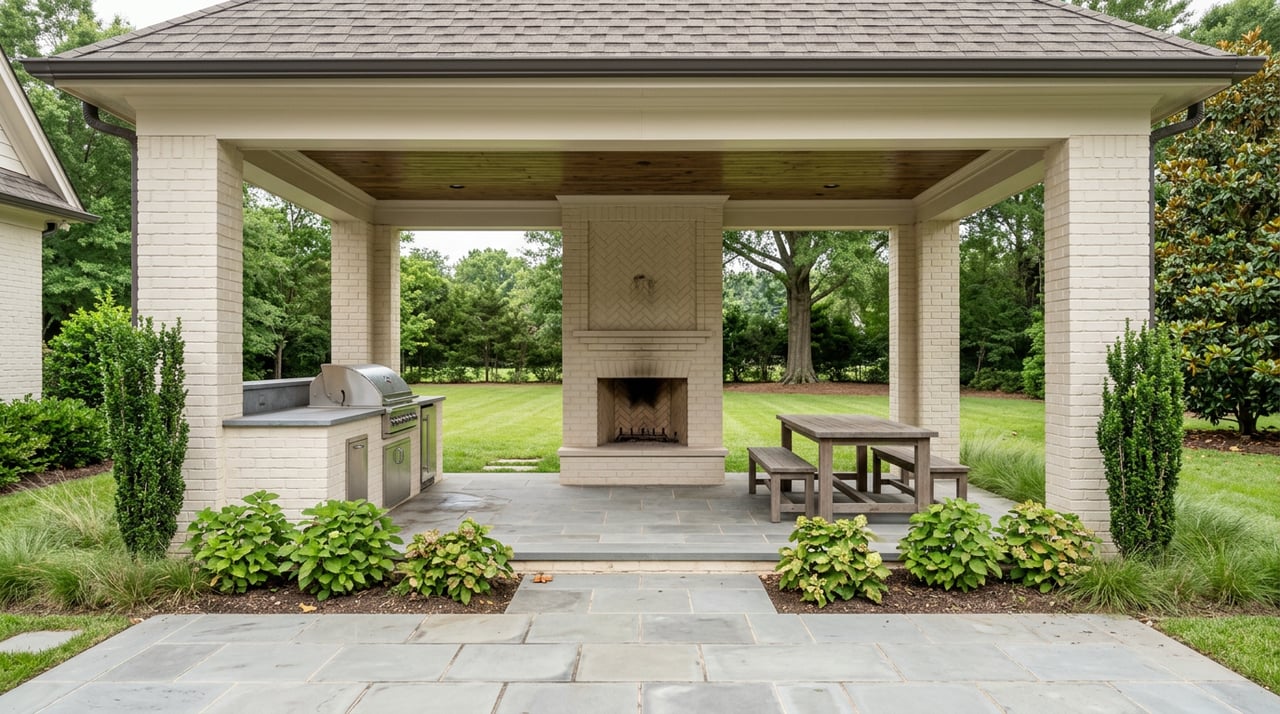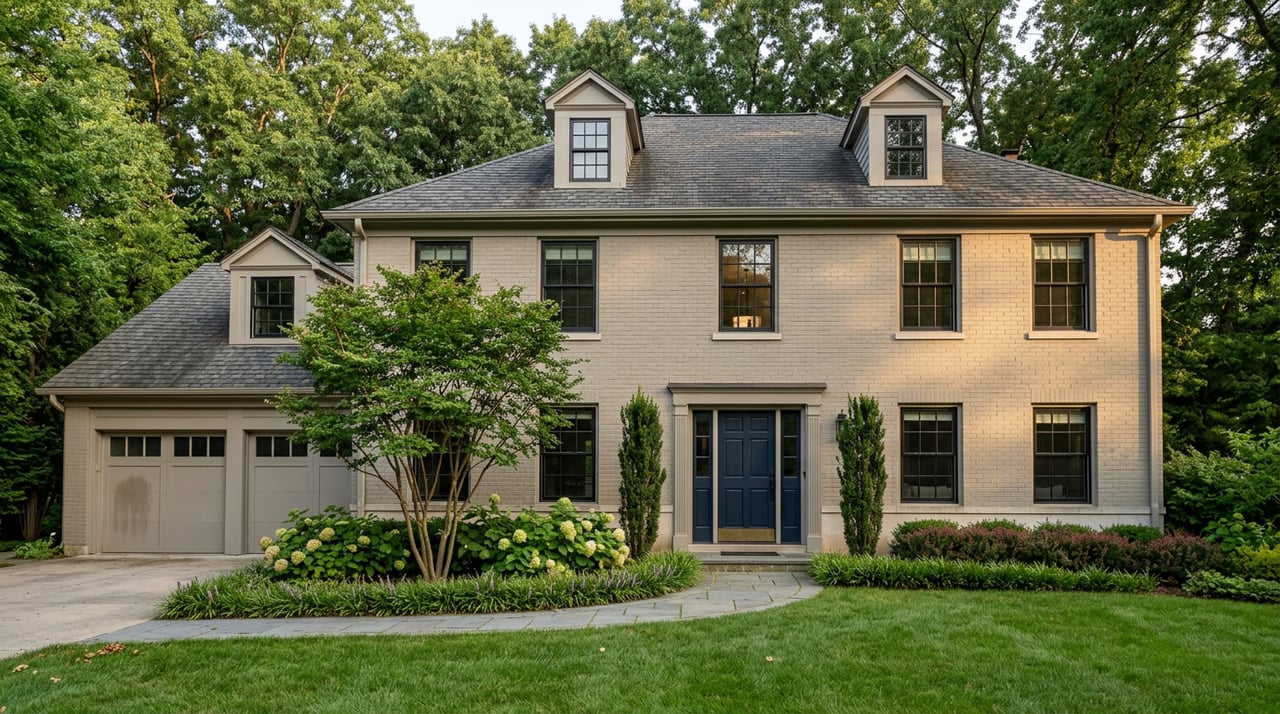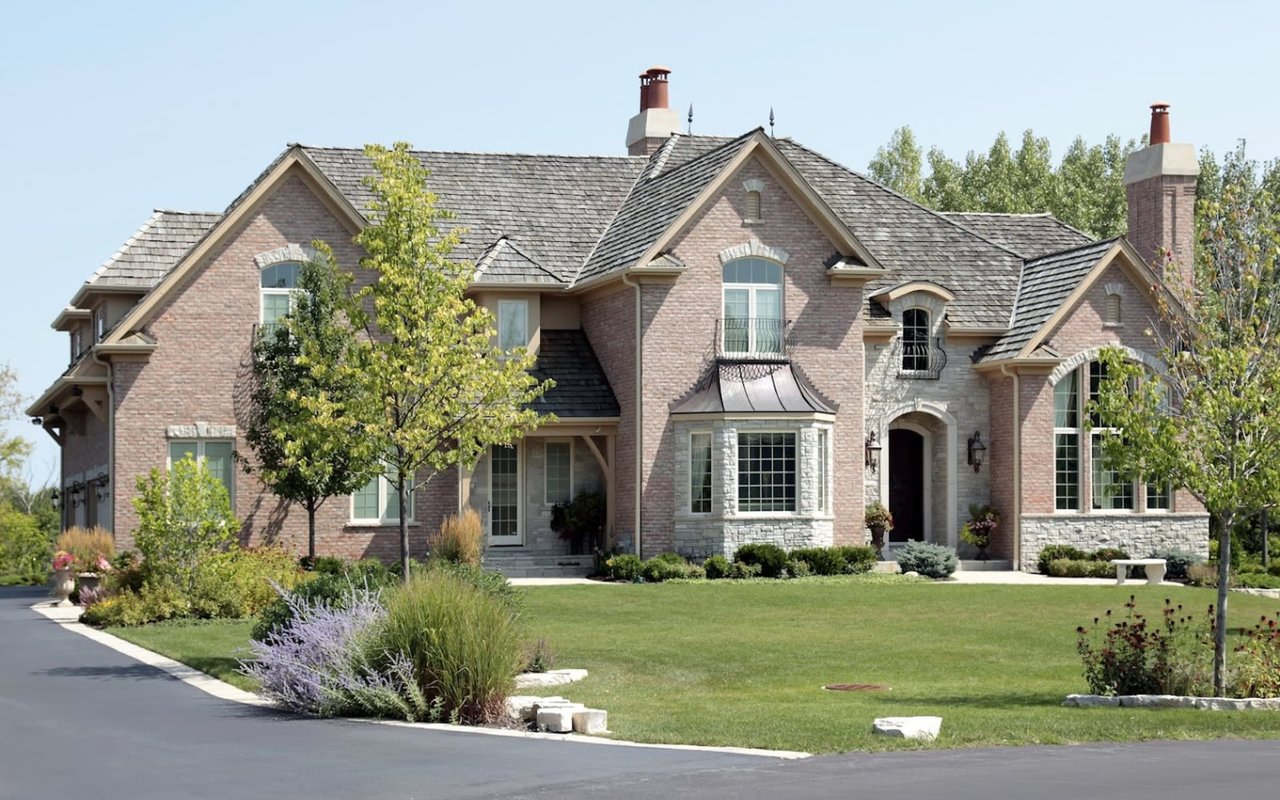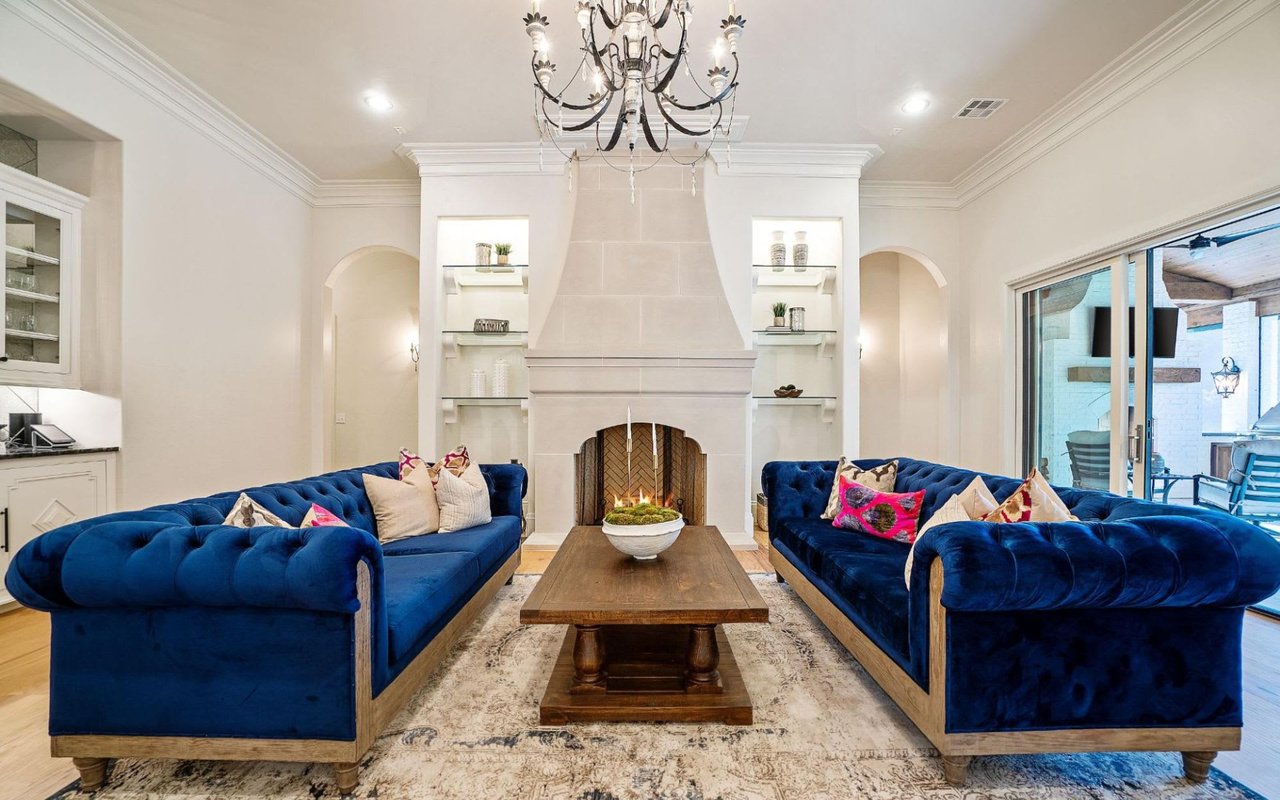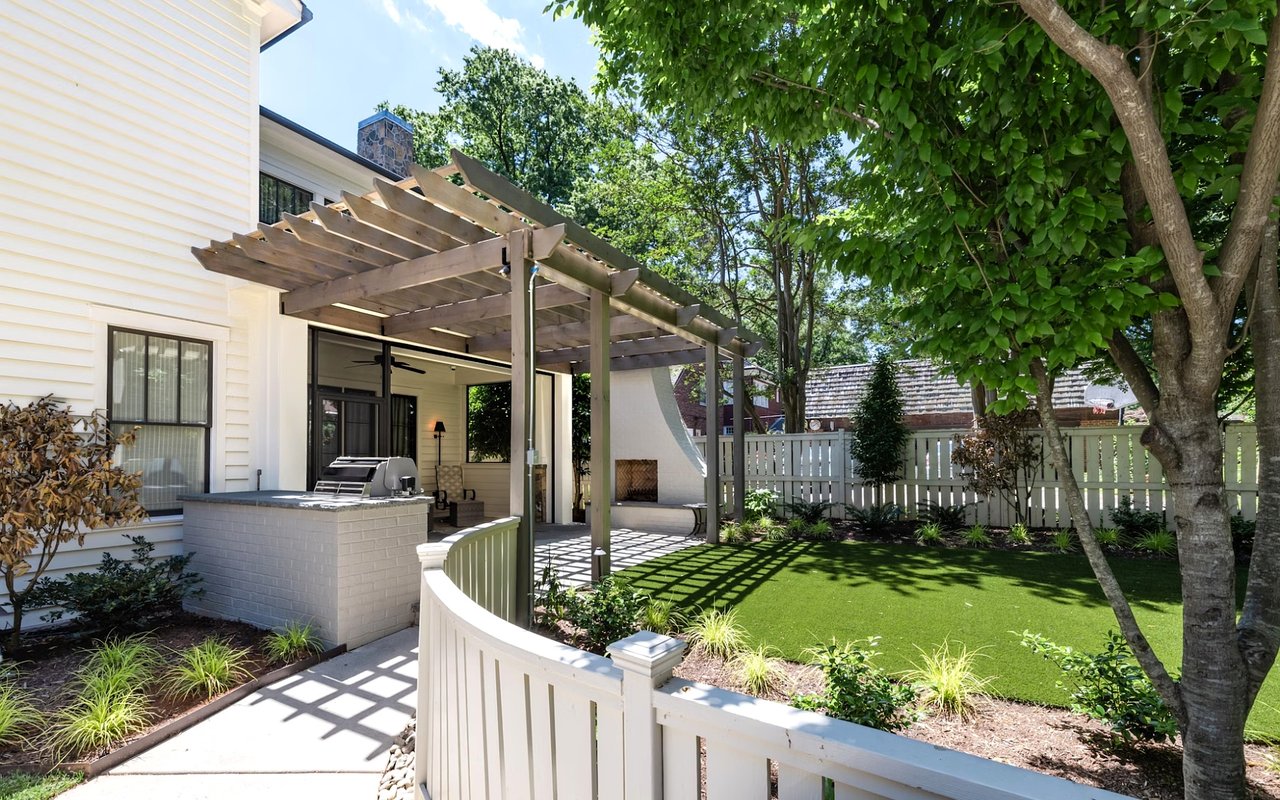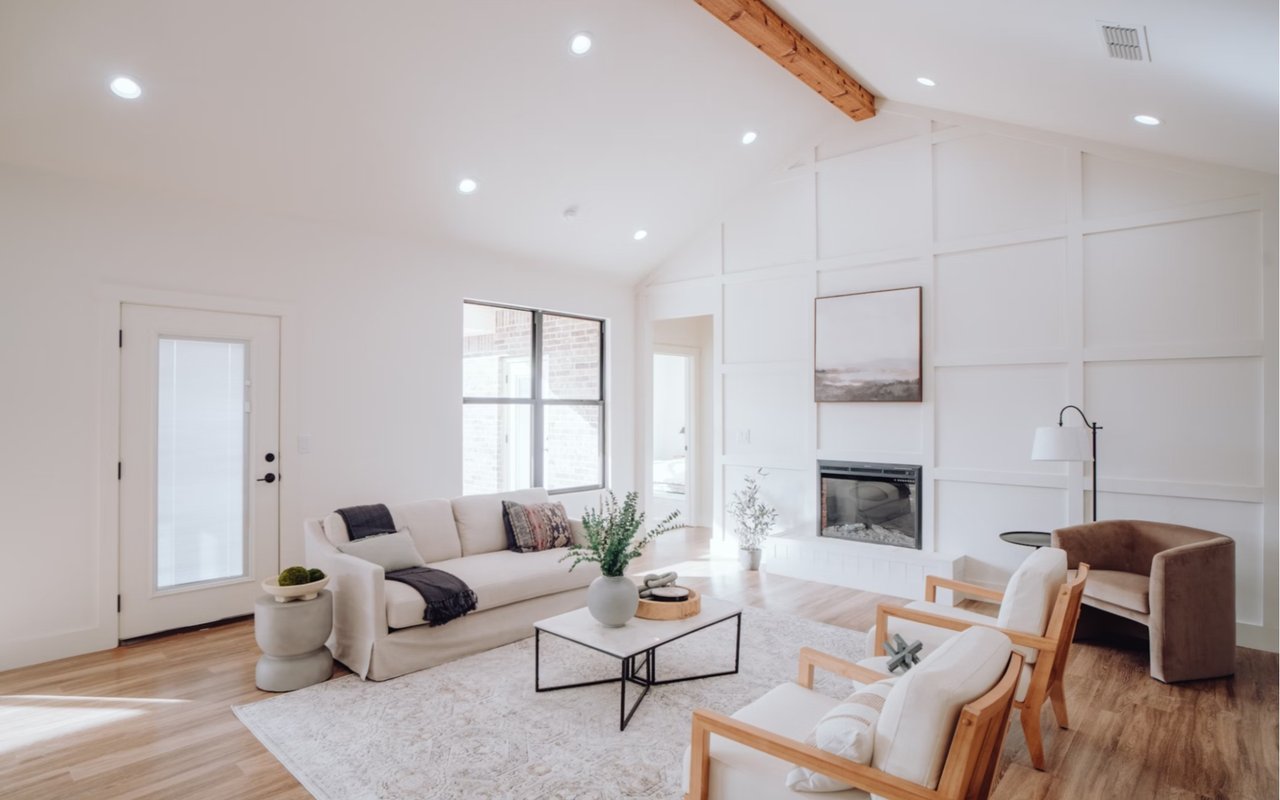
If you have started touring new construction in Indian Land, you have probably noticed one thing right away: there is no single “right” option for every buyer. One community may offer a lower starting price, another may focus on amenities, and another may give you more personalization or a faster move-in timeline. The key is knowing how to compare them clearly so you can choose a home that fits your budget, timing, and daily life. Let’s dive in.
Why Indian Land Draws New Construction Buyers
Indian Land continues to feel active and fast-growing because Lancaster County is growing quickly. The U.S. Census Bureau estimates Lancaster County had 114,296 residents as of July 1, 2025, which is up 19.0% from the 2020 census base. The county also recorded 1,110 building permits in 2025, which helps explain why so many buyers still see cranes, new phases, and road work throughout the area.
That growth is especially visible along major corridors. Lancaster County identifies U.S. 521 and SC 160 as key gateway areas with overlay standards intended to improve connectivity, appearance, and safety. For you as a buyer, that means the location of a lot within a community can matter just as much as the floor plan itself.
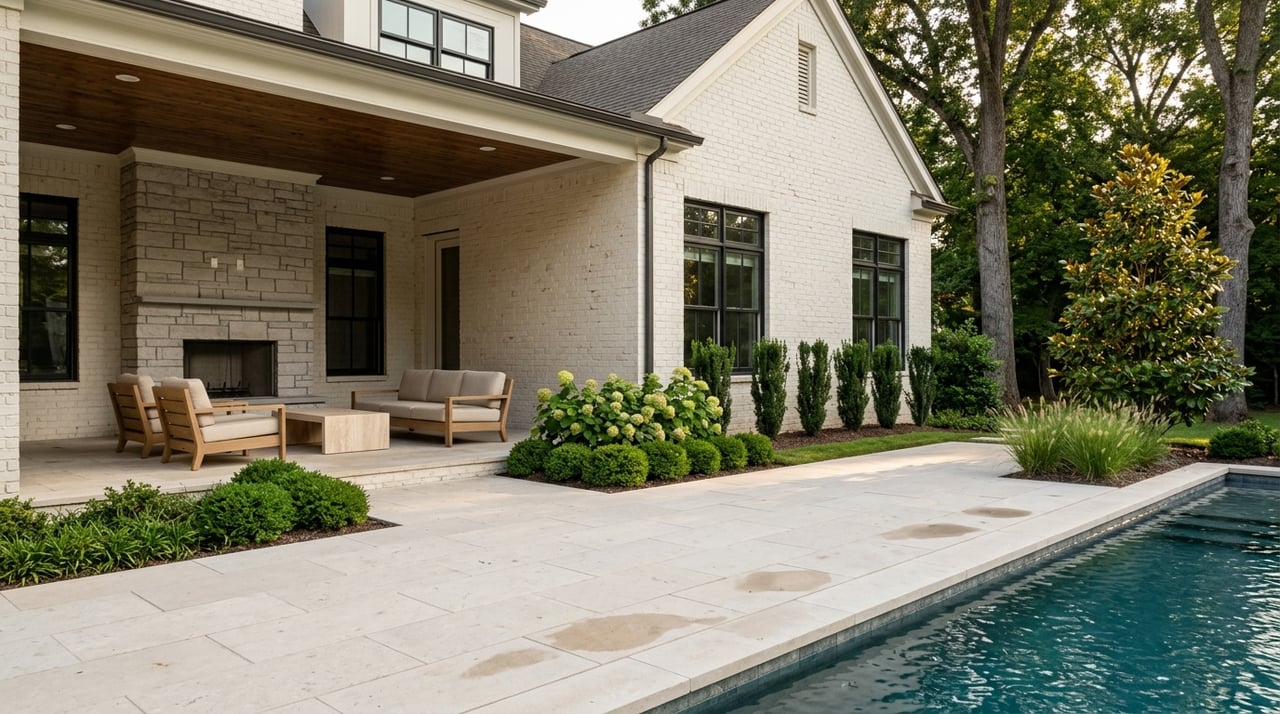
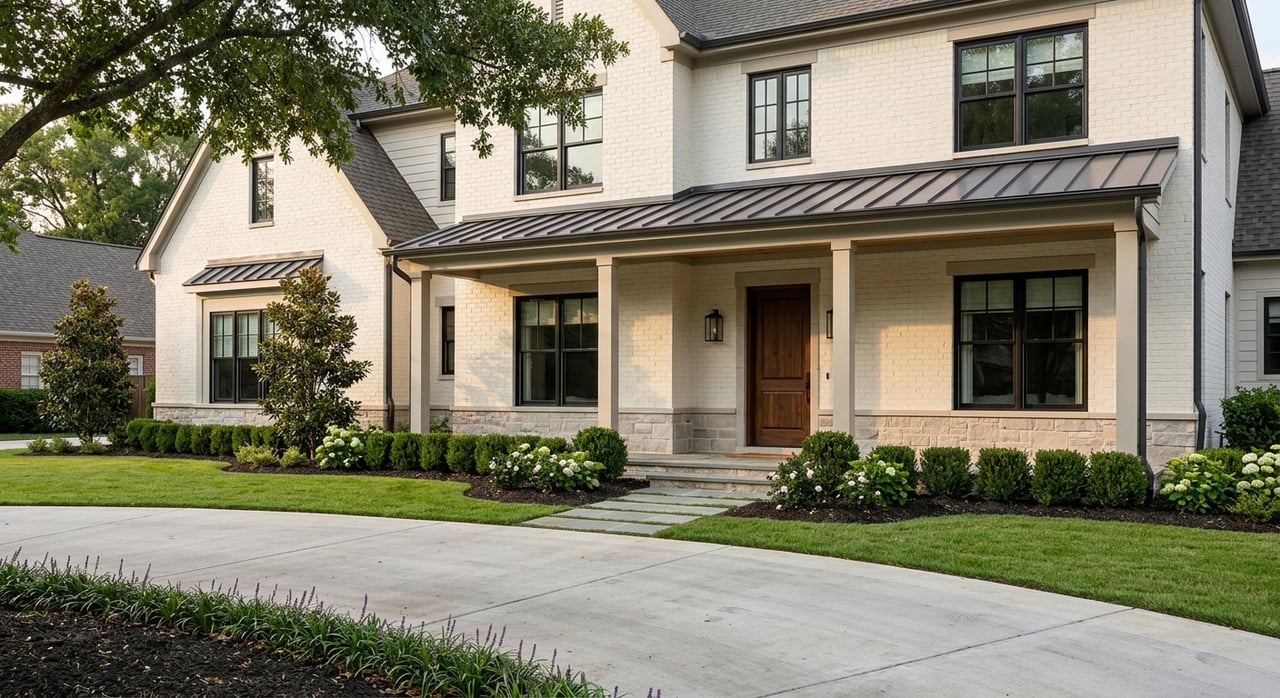
Indian Land also offers a mix of housing types. Current options in the market range from townhomes in larger mixed-use settings to detached homes in amenity-rich neighborhoods and 55+ communities near Ballantyne. That variety is a big part of the appeal, but it also means you need a clear strategy before you fall in love with a model home.
Start With Your Real Priorities
Before you compare builders, get specific about what matters most to you. A quick move-in home and a fully personalized build are not the same experience, and neither is automatically better. Your best choice depends on your timing, budget flexibility, and how involved you want to be in design decisions.
Ask yourself a few practical questions first:
- Do you need to move on a shorter timeline?
- Do you want to choose finishes and upgrades yourself?
- Are you looking for lower-maintenance living or a larger single-family home?
- Do amenities matter more to you than home size?
- Are you comfortable with future construction nearby?
These answers will narrow your options faster than price alone. They also help you avoid spending time in communities that do not fit the way you actually want to live.
Compare Communities, Not Just Builders
Builder reputation matters, but it is only one part of the decision. In Indian Land, communities can differ widely in setting, amenities, traffic patterns, lot placement, and how much future development is still coming. A strong comparison should look at the full picture.
For example, Lancaster County describes The Exchange at Indian Land as a 130-acre mixed-use project along U.S. Highway 521 that has already spurred residential and commercial growth, including Costco, Lowes Foods, additional retail uses, and 320 for-sale townhomes by Taylor Morrison. That kind of surrounding growth can be a plus for convenience, but it may also affect traffic, noise, and the pace of nearby change.
When touring, pay attention to what is already built, what is under construction, and what may still come later. A community entrance, open space, or wooded edge can look very different once future phases are complete. This is one of the biggest reasons local guidance matters in a fast-changing area like Indian Land.
Understand What the Base Price Really Means
One of the most common mistakes in new construction is comparing starting prices without looking at what is included. Two homes may seem close in price, but one builder may include more standard features while another relies more heavily on upgrades and lot premiums.
Current Indian Land examples show how different that can be. Toll Brothers’ The Pines at Sugar Creek shows pricing starting from $540,995, with quick-move-in homes listed roughly from $599,000 to $849,000 depending on home and site. Lennar’s Harris Mill is marketed in the high $600s, while KB Home’s Wilson Creek shows an available-now homesite at $423,718.
Those numbers are useful starting points, but they are not enough on their own. Toll Brothers states that its published home price does not include any homesite premium, and KB Home notes that upgrades carry additional charges and must be ordered at predetermined construction stages. In other words, the base price is just the beginning of the conversation.
Read Model Homes Carefully
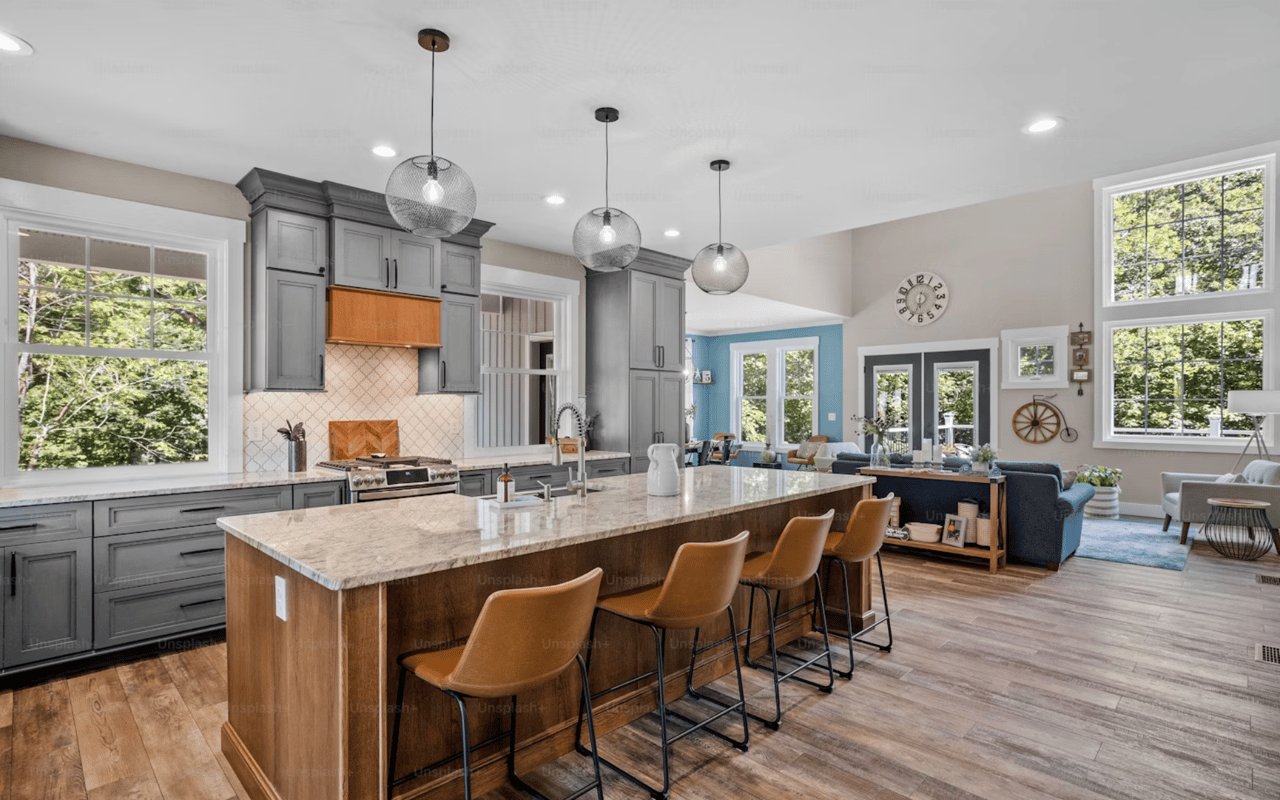
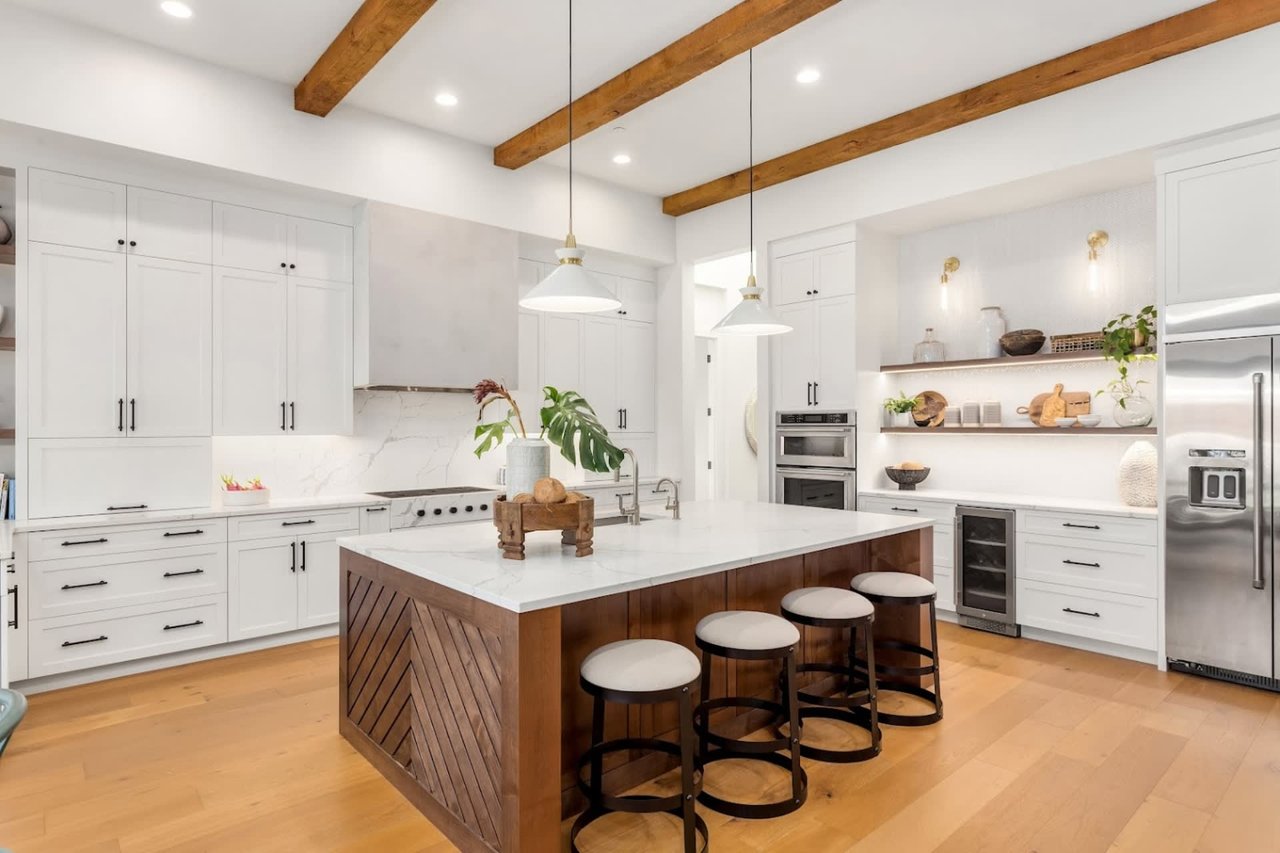
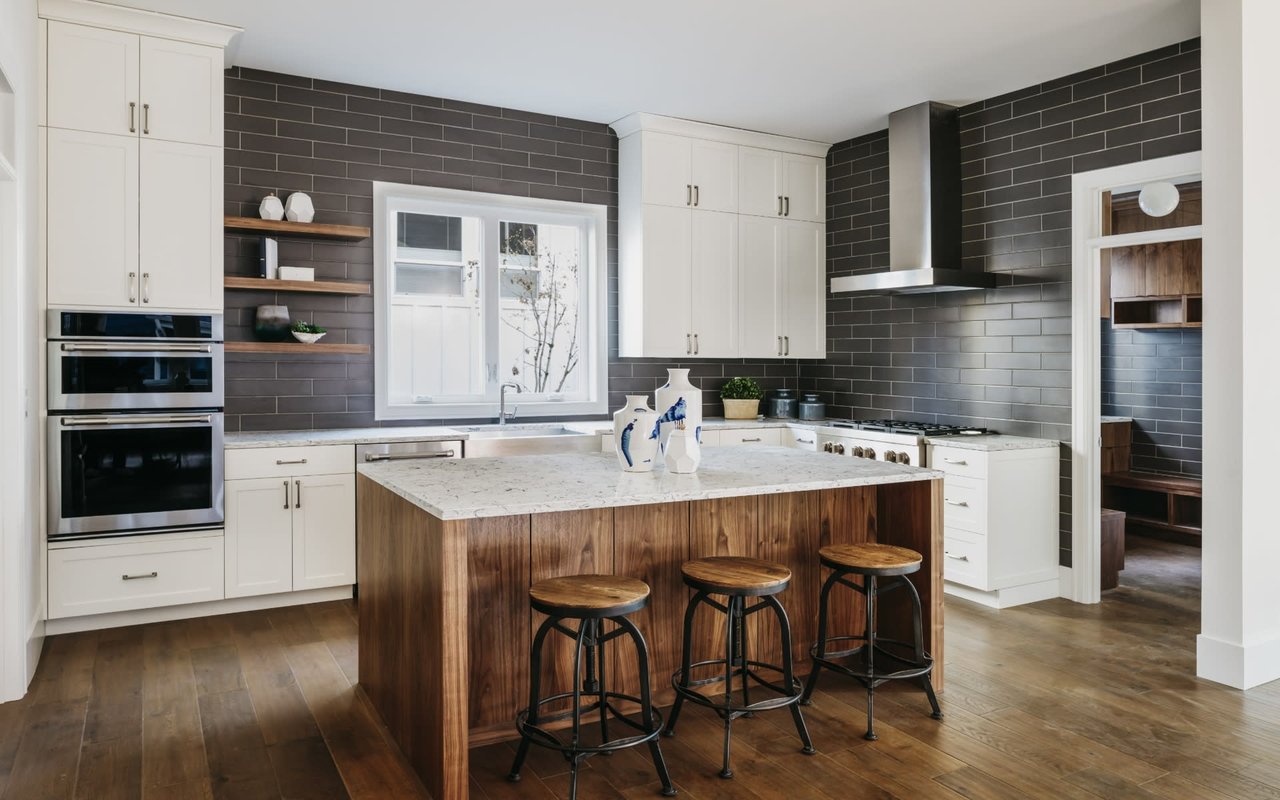
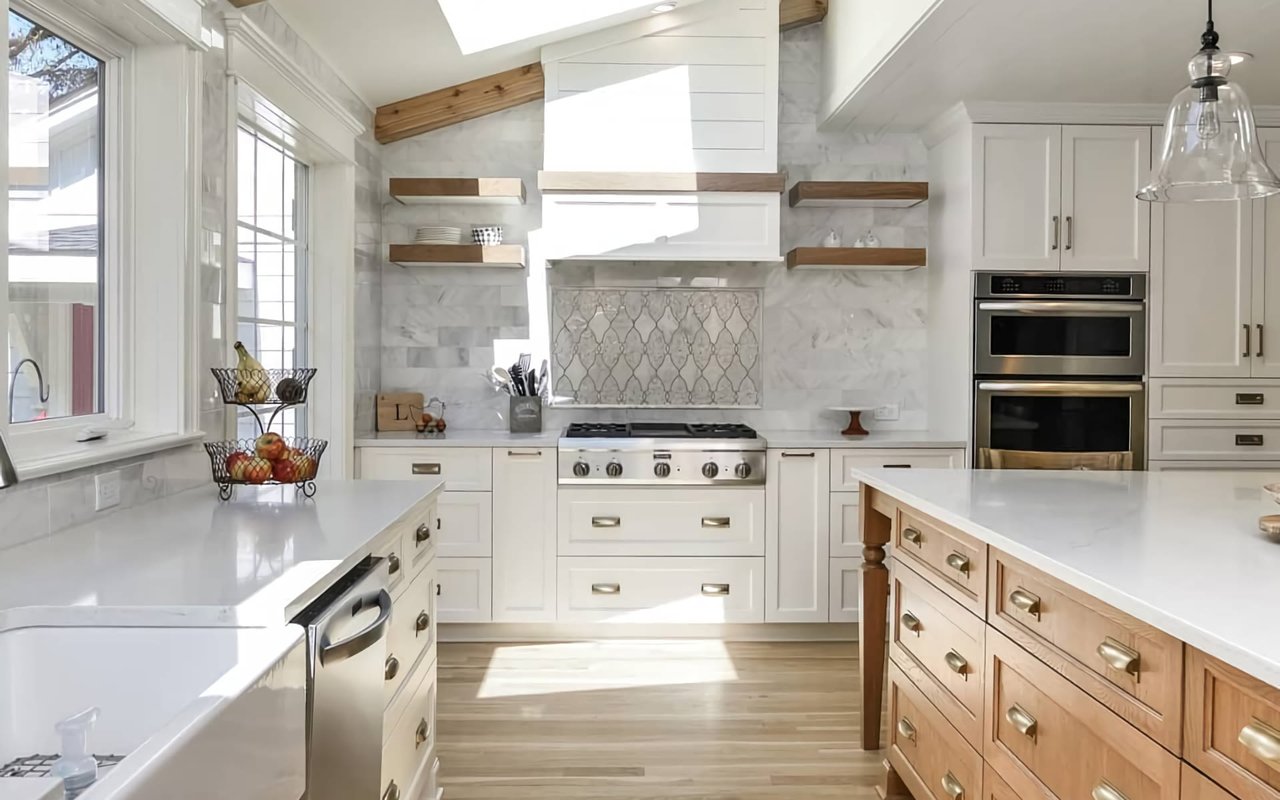
Model homes are helpful, but they are designed to inspire you. They are not a guarantee that everything you see is part of the standard package. If you do not compare the model to the builder’s feature sheet, it is easy to build expectations around finishes that cost extra.
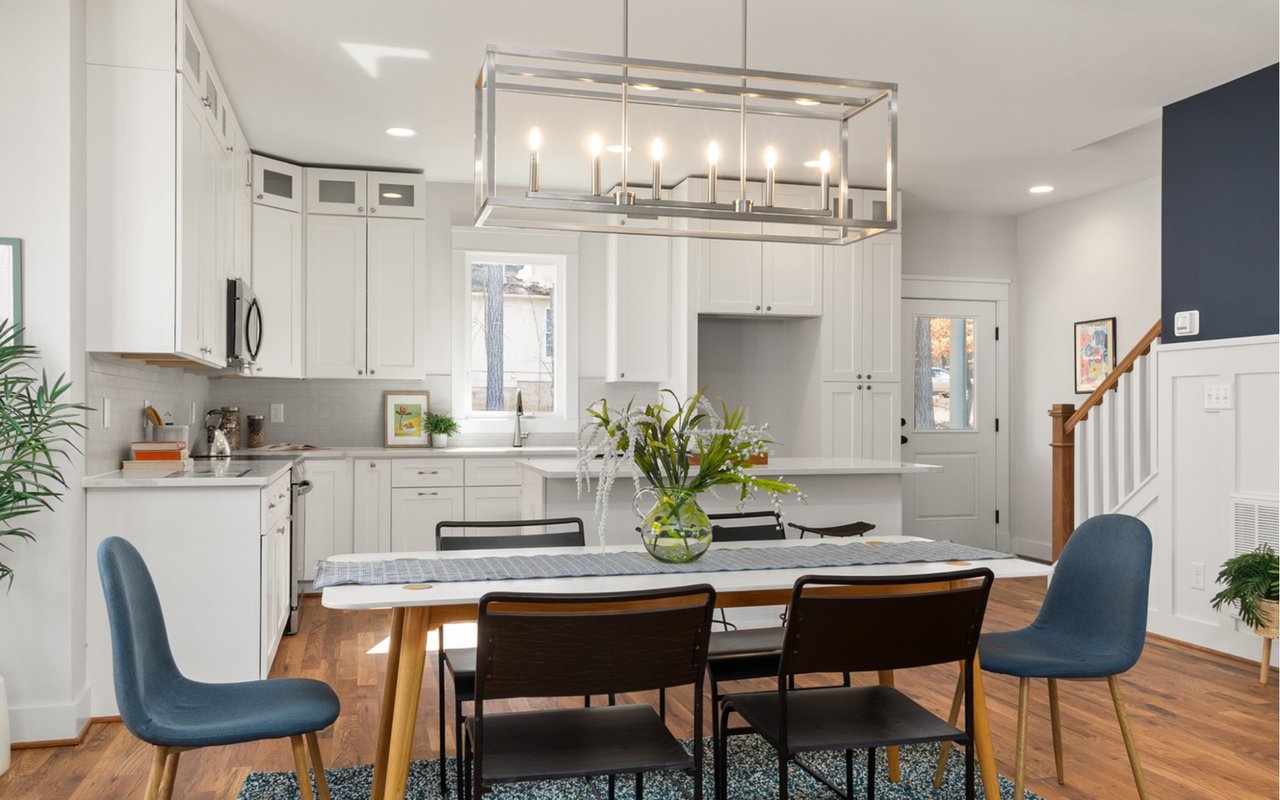
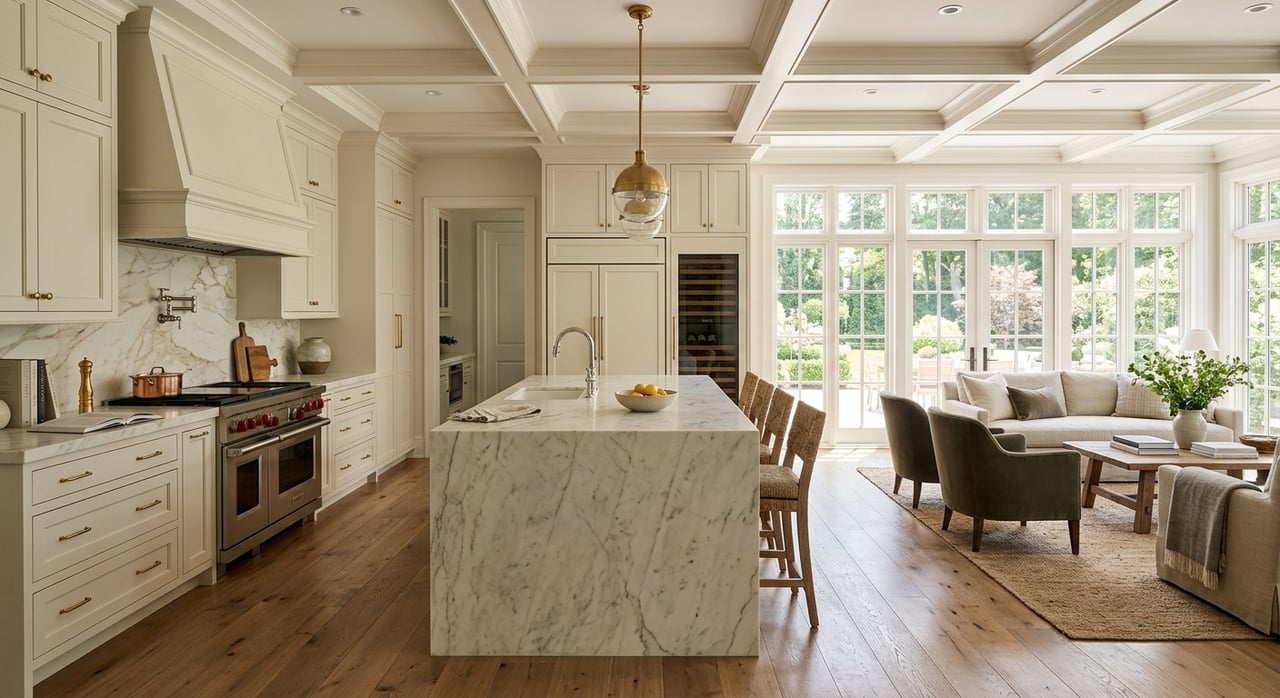
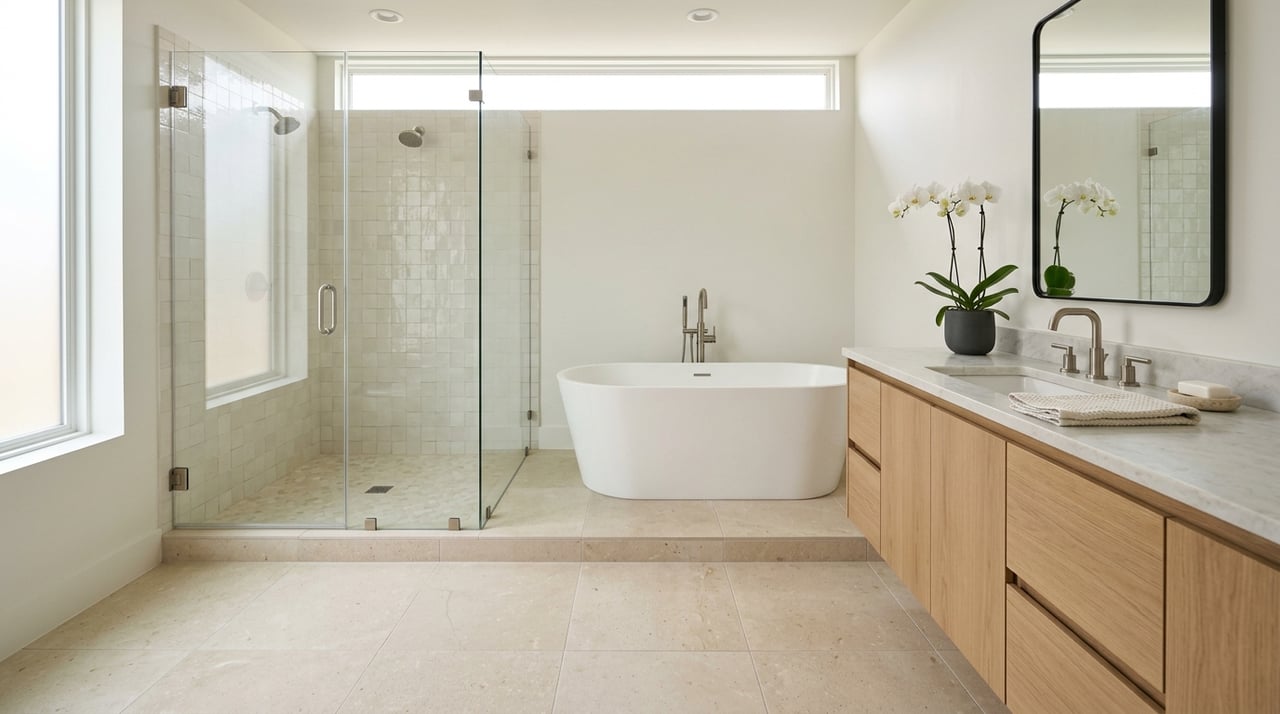
That matters because many of the most eye-catching details in a model may be upgrades. Flooring, lighting, tile, cabinets, countertops, and trim details often vary from the base offering. A beautiful model can still be a great fit, but only if you understand which parts of it you are actually pricing.
A smart approach is to ask for:
- The standard features sheet
- A list of current upgrade packages
- Pricing for key structural options
- Clarification on what shown features are not included
- Deadlines for selecting finishes or changes
This keeps your budget grounded in reality and helps you avoid surprise costs later.
Choose the Lot as Carefully as the Home
In Indian Land, lot selection can shape your lifestyle and future resale just as much as the home plan. A great layout on the wrong lot may not feel great once you move in. That is especially true in an area where major roads, commercial growth, and future phases are still evolving.
Look closely at whether the lot fronts a main corridor, backs to future development, sits near retail, or is influenced by HOA-maintained open space or entry features. If you are near U.S. 521 or SC 160, ask what nearby parcels are designated for and whether corridor standards could affect what gets built around you.
Drainage and grading should also be part of the conversation. Lancaster County says the Indian Land portion of the county is part of the Charlotte Urbanized Area, where rapid growth has increased polluted stormwater runoff and led to active monitoring of construction sites and developed areas. For you, that makes site conditions more than a minor detail.
Ask direct questions about:
- Drainage patterns on the lot
- Backyard slope and grading plans
- Easements or drainage areas
- Future phases behind or beside the home
- Nearby commercial or roadway expansion
Match the Timeline to Your Move
New construction timelines can vary more than many buyers expect. If you are building from an early stage, the design phase often lasts three to six months, and the construction process typically lasts at least 12 to 16 months, with possible delays beyond that. If your move is tied to a lease, a job change, or the sale of your current home, that timing matters.
If you want more certainty, a spec home or quick-move-in home may be a better fit. Those homes usually offer a shorter path to closing, though you may have fewer design choices left. If personalization matters most, a to-be-built home may be worth the longer wait.
Neither path is better for everyone. The right fit depends on whether you value speed, flexibility, or the chance to make more decisions upfront.
Do Not Skip Independent Inspections
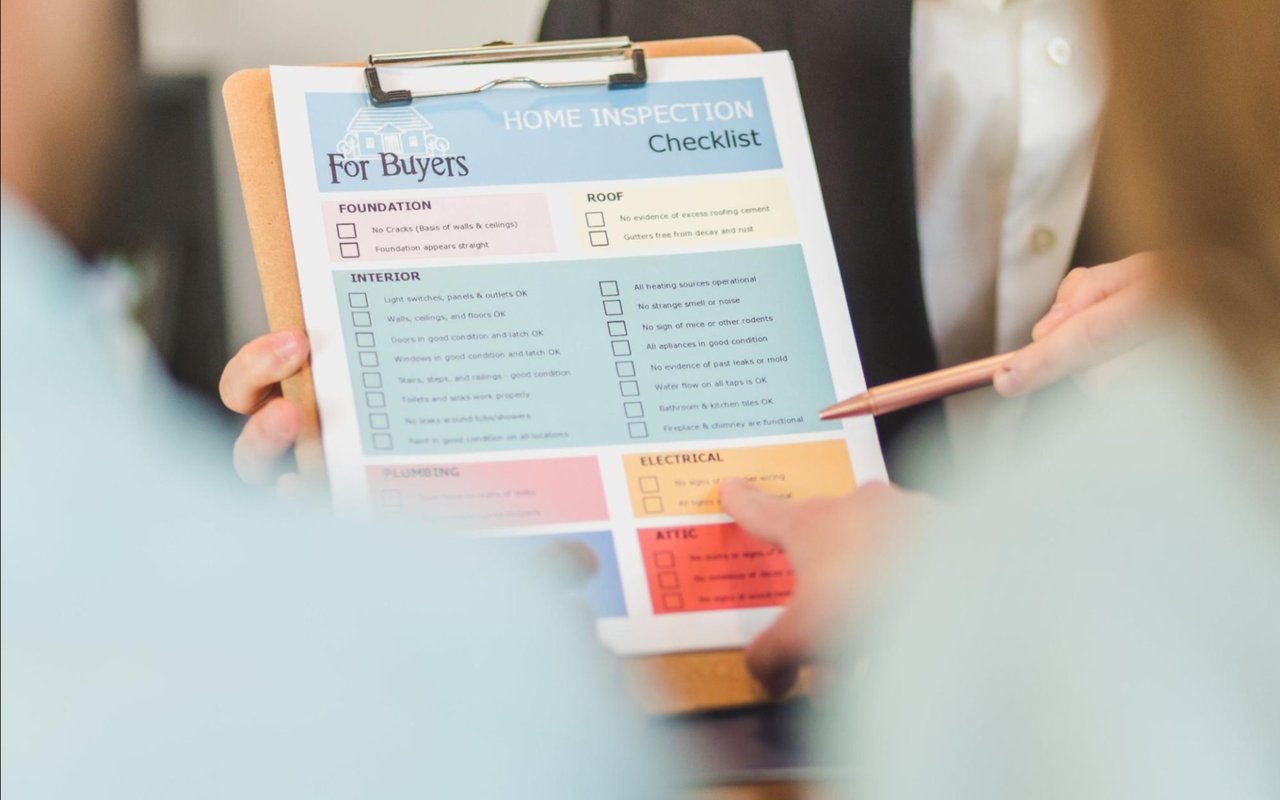
County inspections are part of the process, but they are not a substitute for your own inspector. Lancaster County Building Services reviews plans, issues permits, and conducts field inspections throughout construction before a certificate of occupancy is issued. That is important, but it does not replace independent advice focused on your interests.
An independent home inspector is accountable to you. In a new construction purchase, that can be especially valuable at the pre-drywall stage, at final inspection, and again during the warranty period. Having those checkpoints can help you document issues clearly and address concerns before they become bigger problems.
Review the Warranty Before You Close
Warranty coverage is another area where buyers should slow down and read carefully. Some new-home warranties are backed by the builder, while others are backed by third-party companies. The practical question is simple: if something needs service after closing, who do you contact and what is actually covered?
Ask for the full warranty booklet, not just a short summary. Make sure you understand coverage periods, exclusions, and how service requests are submitted. If you are comparing builders, this is one of the easiest ways to see differences in long-term support.
Know How Buyer Representation Works in South Carolina
If you are touring new construction in Indian Land, South Carolina agency rules matter. The state’s disclosure form says you become a client only by signing a written buyer agency agreement, and South Carolina also states there is no builder’s-agent exemption. Builder representatives still have to follow normal agency rules and respect an existing buyer-agent relationship.
That means representation is not just a formality. It affects how your interests are protected, how communication flows, and how issues are handled from registration through walkthroughs and punch-list items. In a new construction purchase, that can be especially helpful when you are reviewing lot premiums, upgrade choices, contract addenda, and closing details.
Questions to Ask When Touring Indian Land New Construction
If you want to compare communities clearly, bring a short list of questions with you. These can help you get past the polished first impression and focus on what matters.
- What is the base price, and what does it exclude?
- Which lots carry a premium, and why?
- Which finishes shown in the model are upgrades?
- Which selections must be made early in construction?
- Is the home quick-move-in, spec, or to-be-built?
- What is the realistic closing window?
- What warranty applies, and who handles service after closing?
- How will my buyer’s agent stay involved throughout the process?
The goal is not to make the process harder. It is to make your decision more confident and more informed.
The Right Fit Is More Than a Pretty Floor Plan
The best new construction home in Indian Land is not simply the one with the nicest kitchen or the most impressive model. It is the one that aligns with your timeline, budget, lot preferences, upgrade comfort, and long-term goals. In a market with active growth, mixed-use expansion, and many product types, small details can make a big difference.
That is why a strategic approach matters. When you compare builders, lot conditions, warranty terms, and future development together, you are much more likely to choose a home that feels right both now and later.
If you are exploring new construction in Indian Land and want experienced guidance from a team that understands the greater Charlotte and South Carolina border market, connect with Your Property People, Inc..
FAQs
What should you compare first in Indian Land new construction?
- Start with your priorities: timeline, budget, home type, lot location, and how much personalization you want.
What does base price mean in an Indian Land new construction community?
- Base price usually refers to the starting price for a plan before lot premiums, upgrades, and some structural or design options are added.
Why does lot choice matter in Indian Land new construction?
- Lot choice can affect total cost, privacy, traffic exposure, drainage, grading, and what may be built around your home later.
Should you inspect a newly built home in Indian Land?
- Yes. County inspections are part of construction, but an independent inspector works for you and can help identify issues before and after closing.
How long can a new construction home take in Indian Land?
- A to-be-built home can take many months, with design often lasting three to six months and construction commonly taking at least 12 to 16 months.
Why use buyer representation for Indian Land new construction?
- In South Carolina, buyer representation can help protect your interests during registration, contract review, upgrade decisions, walkthroughs, and warranty follow-up.